
Insights & Resources
Expert perspectives on AI automation, customer support operations, and the future of enterprise AI.
Freight Claims Software in Europe: What to Check
Choosing freight claims software in Europe as a manufacturer: the CMR deadlines, documents, approvals and data location to check before you buy.
CMR Freight Claims: Deadlines and Liability Cap
How to file a CMR freight claim: record damage at delivery, report hidden damage within seven days, and know the 8.33 SDR per kg liability cap.
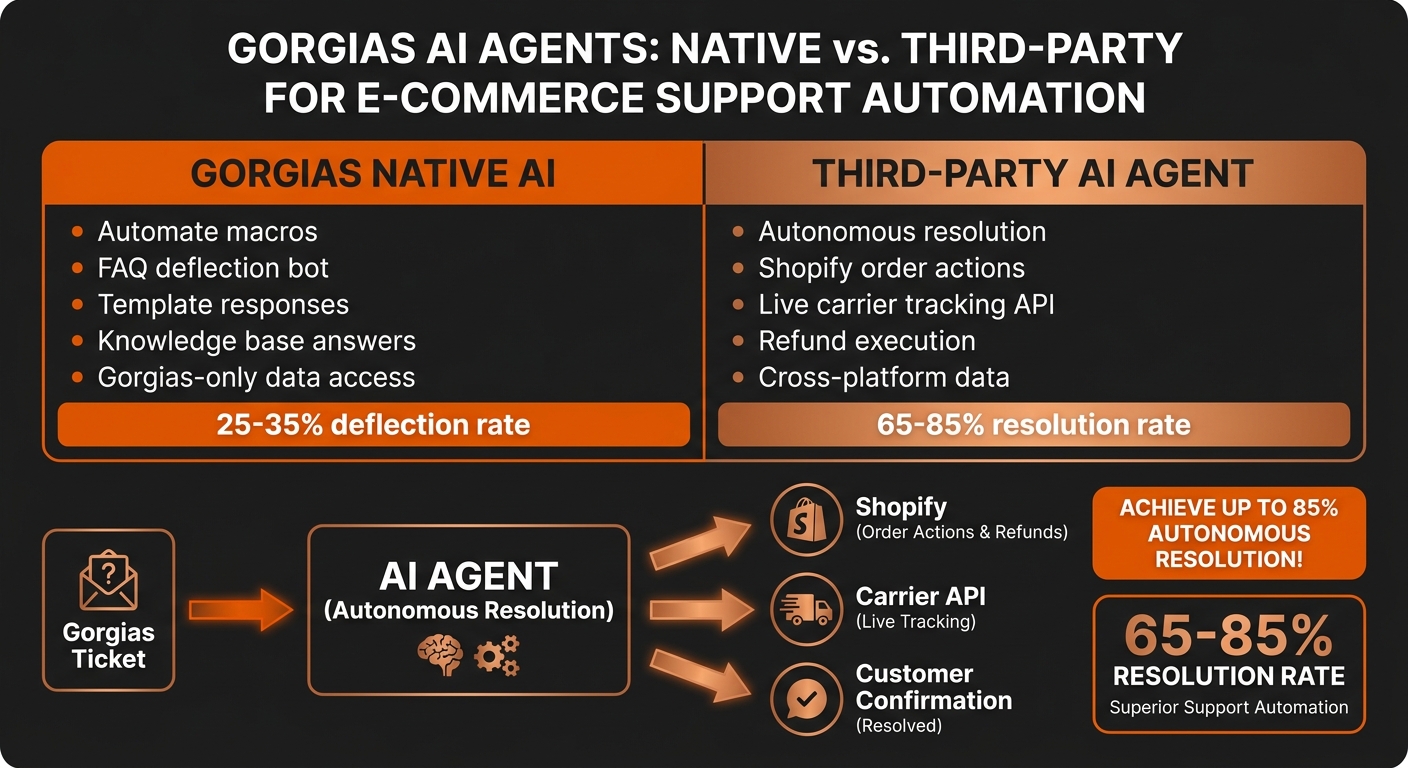
Gorgias AI Agent: Autonomous Resolution Beyond Automate for Shopify Brands (2026 Guide)
Gorgias AI Agent handles FAQ deflection inside the helpdesk. A third-party AI agent extends Gorgias with autonomous resolution across Shopify, carrier APIs, and back-office systems — here's how each works and when you need both.
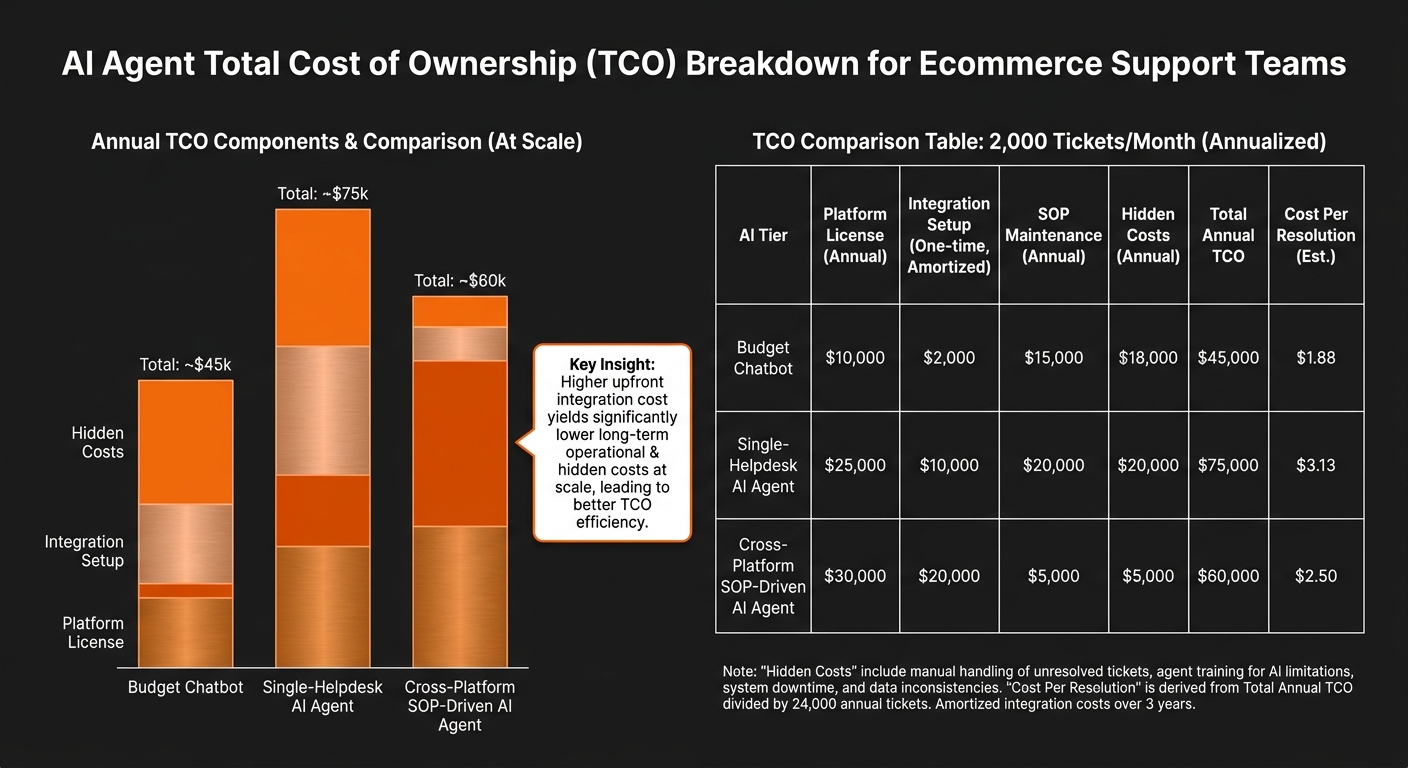
AI Agent Total Cost of Ownership: The 2026 Buyer's Guide for Ecommerce Support Teams
Per-resolution pricing looks cheap until you add integration setup, SOP maintenance, and hidden escalation costs. This guide breaks down the full TCO of AI support agents across every major pricing model so you can compare apples to apples.
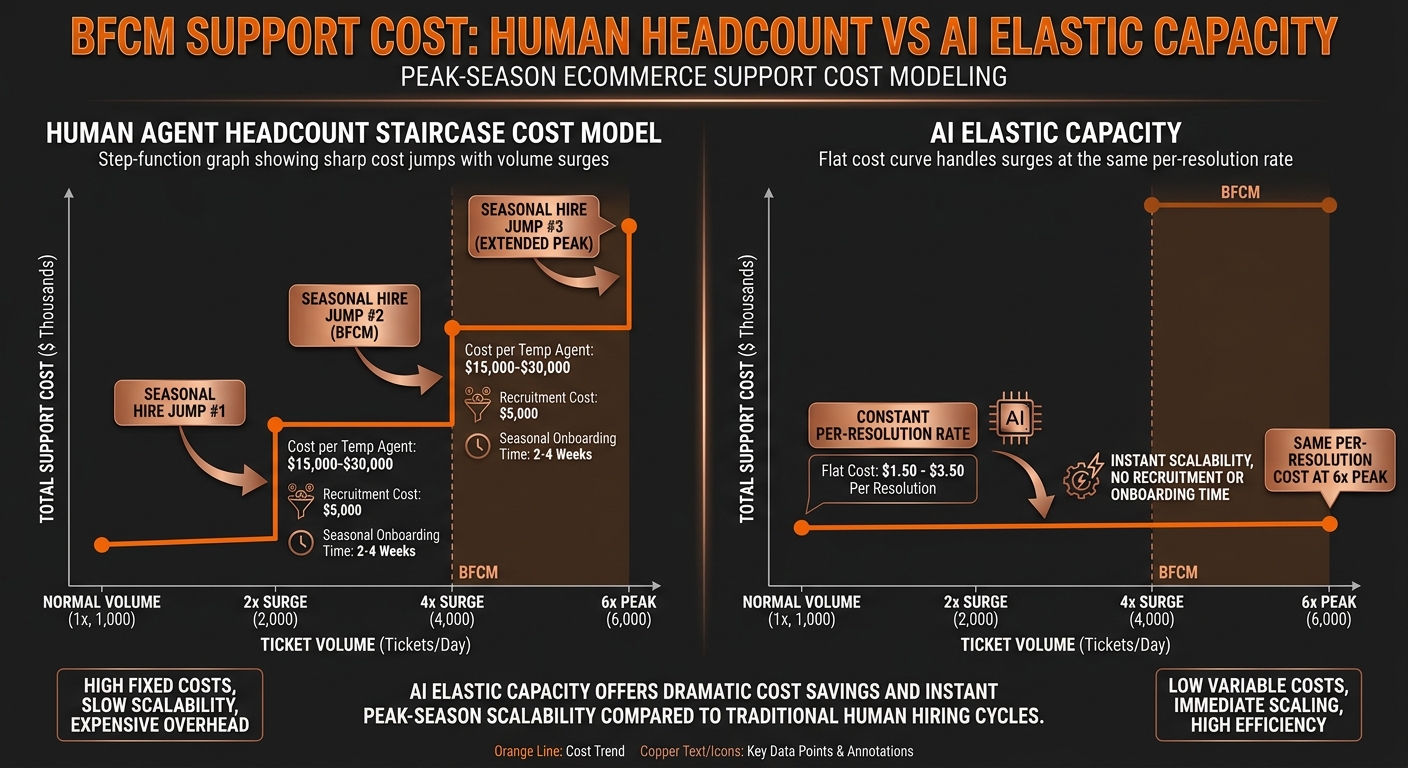
Peak-Season Support Cost Modeling: BFCM and Holiday AI Capacity Planning (2026)
BFCM spikes ecommerce support volume 4–6x overnight. Human seasonal hiring costs $15,000–$30,000 per temp agent and takes 2–4 weeks. AI elastic capacity handles the same surge at the same per-resolution rate. Here's the full cost model.
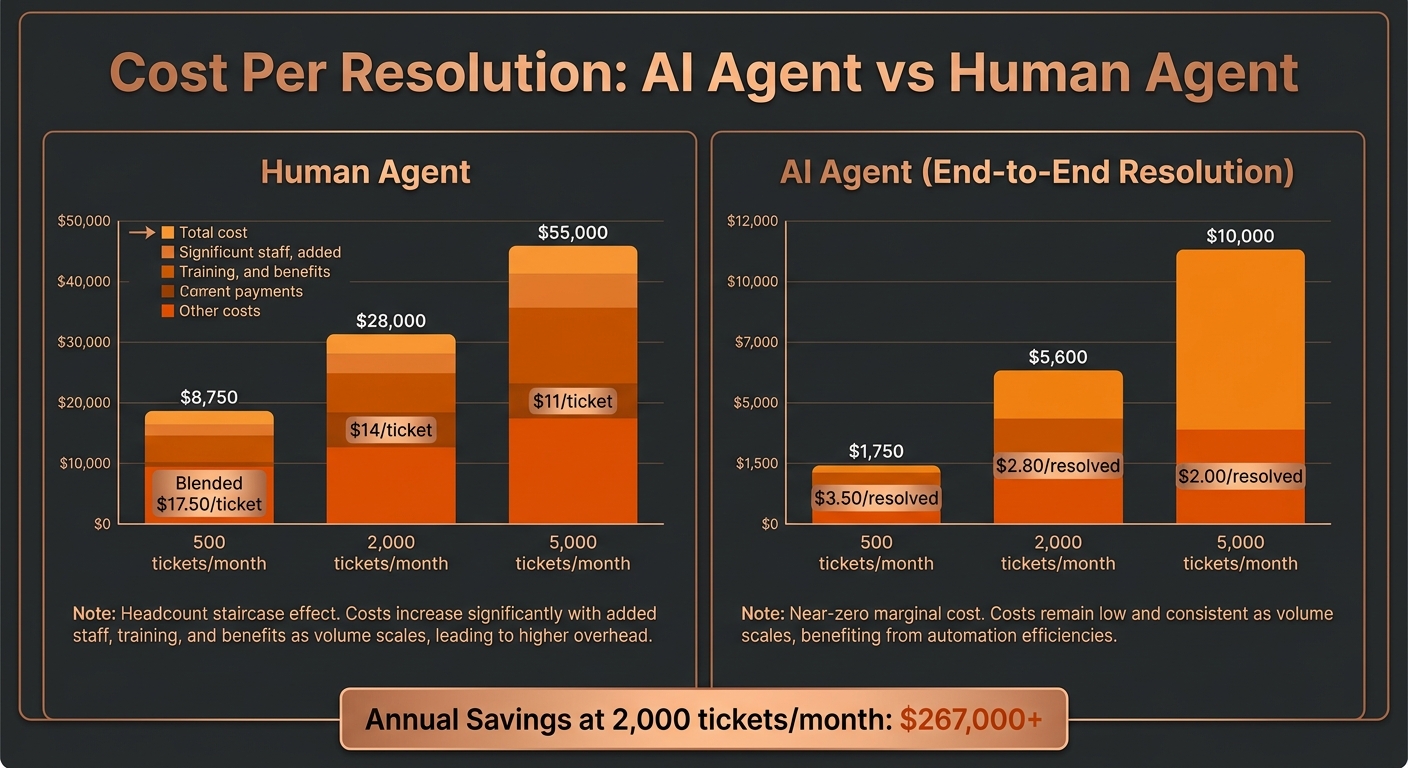
Cost Per Resolution: AI Agent vs Human Agent Economics at Every Ticket Volume (2026)
AI agents resolve ecommerce support tickets at $1.50–$3.50 each versus $8–$17.50 for human agents — but the gap widens at scale. This teardown shows the full per-resolution math at 500, 2,000, and 5,000 tickets per month.
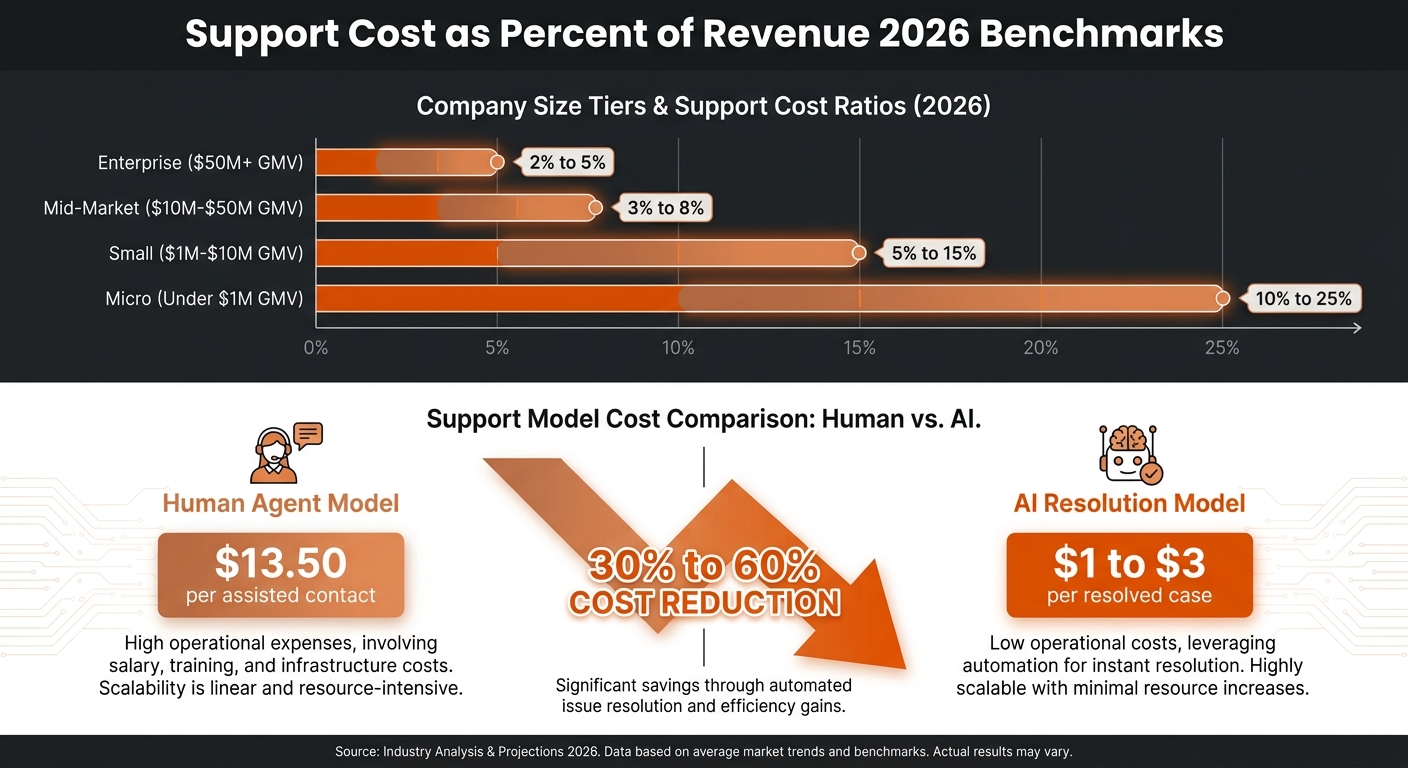
What % of Revenue Should Ecommerce Support Cost? 2026 Benchmarks by Company Size
Ecommerce support should cost 2–8% of revenue for most brands — but SMBs routinely spend 10–25%. This benchmark post breaks down the right support cost ratio by GMV tier, with the math behind what drives overspend and how AI automation changes the curve.
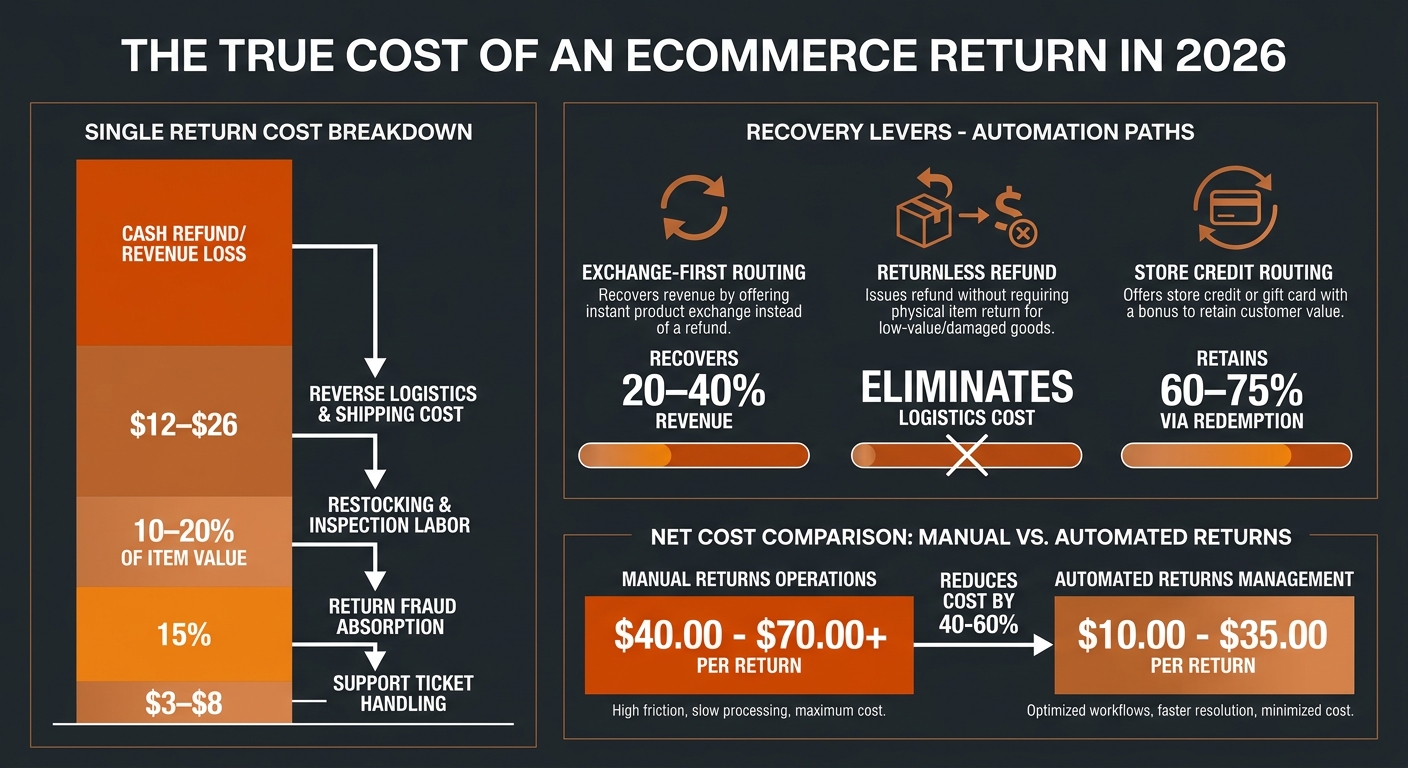
The True Cost of Ecommerce Returns in 2026: Full P&L Breakdown
The true cost of an ecommerce return is 25–65% of item revenue — not just the refund. This full P&L breakdown covers reverse logistics, restocking, fraud absorption, and support handling, with benchmarks for apparel, electronics, and general merchandise.
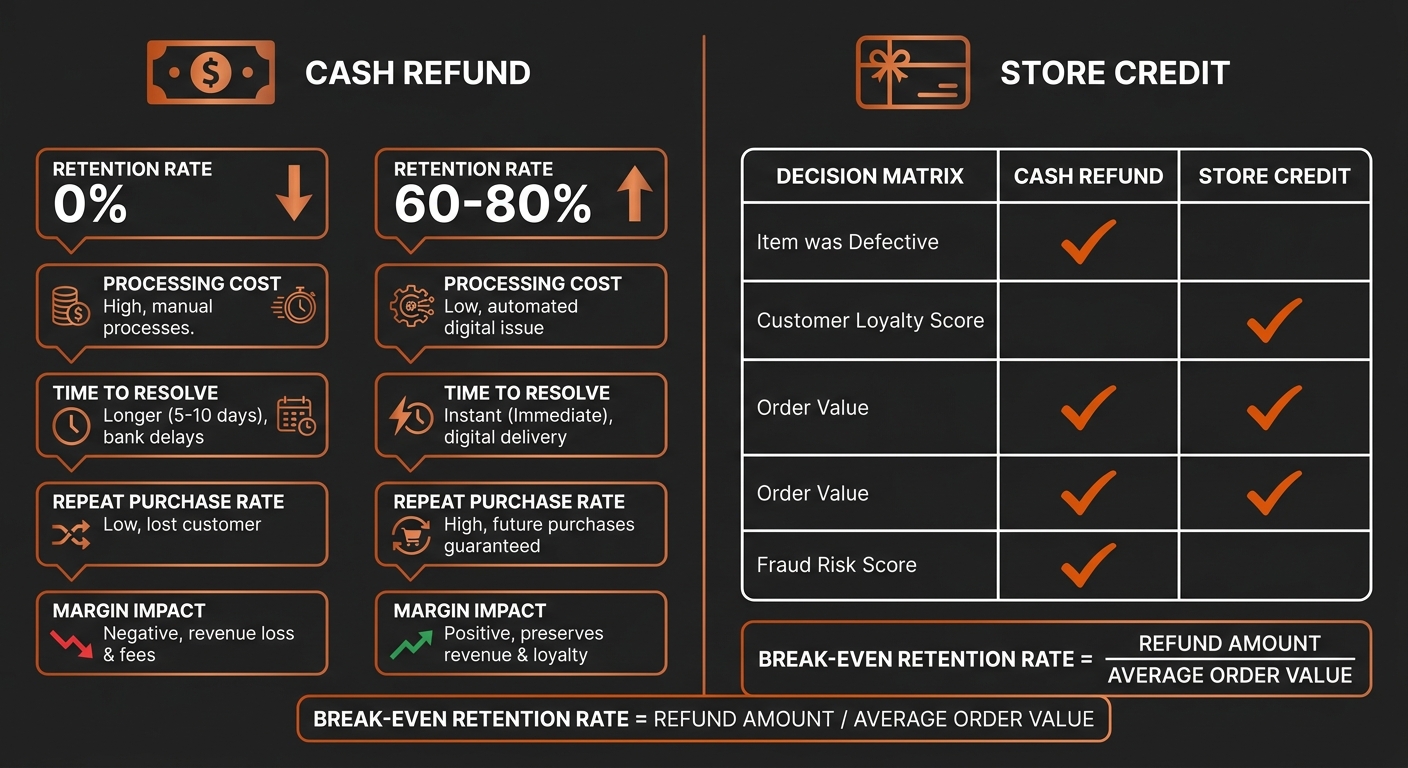
Store Credit vs. Cash Refund: The Decision Framework That Protects Margin
Store credit vs. cash refund is a returns decision that directly affects revenue retention, margin, and repeat purchase rate. This decision framework shows you when each option wins and how to automate the choice at the ticket level.
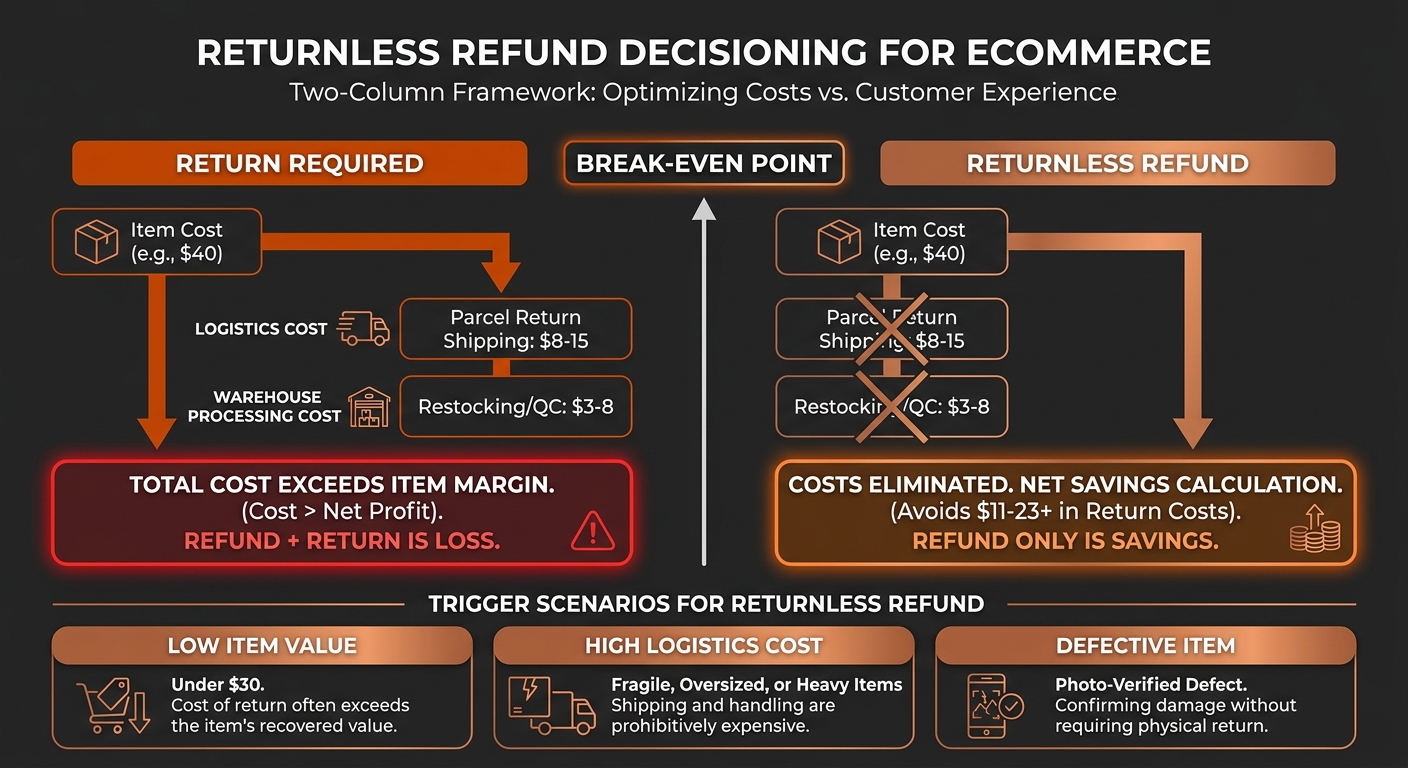
Returnless Refund Decisioning: When the Math Works to Skip the Physical Return
Returnless refund decisioning is the process of issuing a refund without requiring the customer to ship the item back. When done with a rules-based decision framework, it cuts reverse logistics costs, speeds resolution, and preserves margin. Here's the complete decision framework.
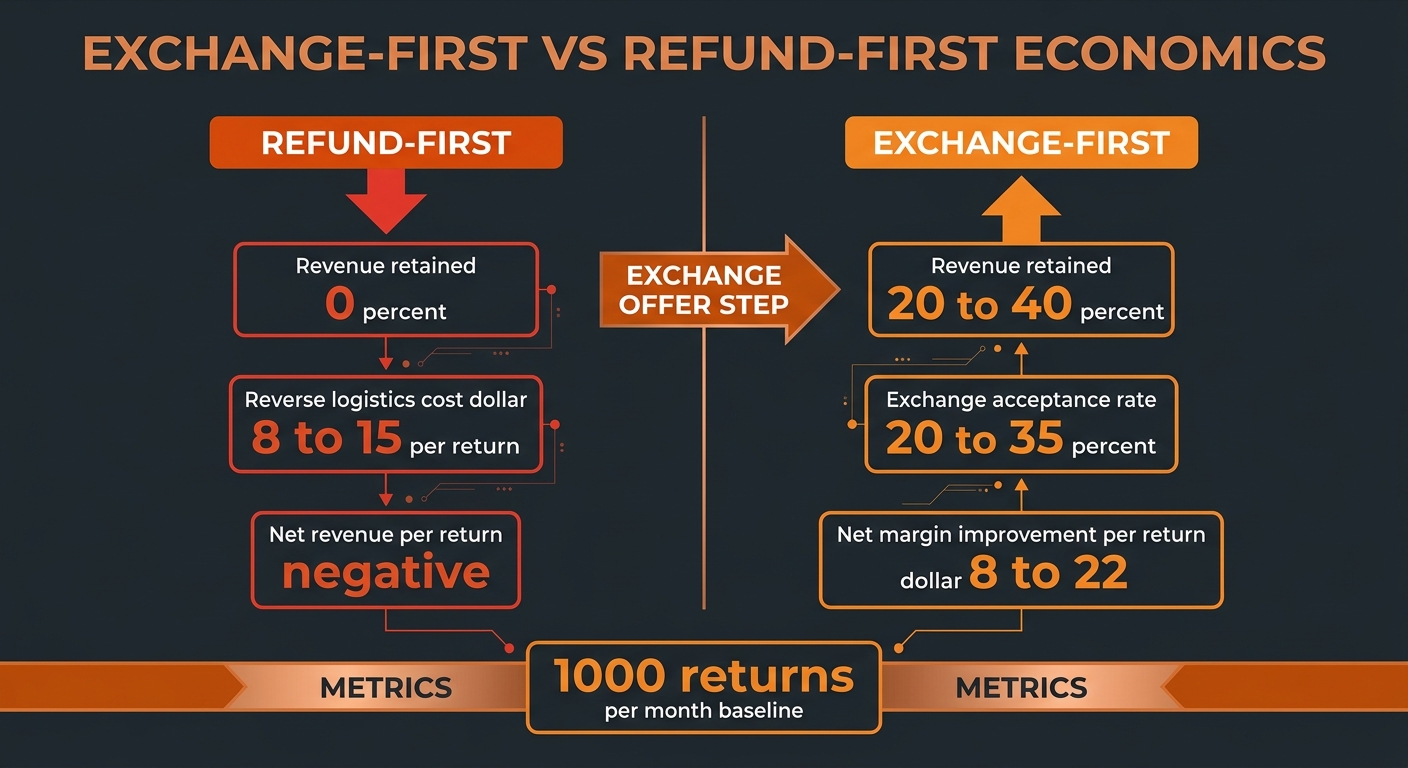
Exchange-First Returns: The Economics That Recover 20–40% of Refund Revenue
Exchange-first returns routing routes customers to an exchange offer before the refund path. Brands that implement it correctly recover 20–40% of refund revenue and reduce reverse logistics costs. Here's the full unit economics breakdown.
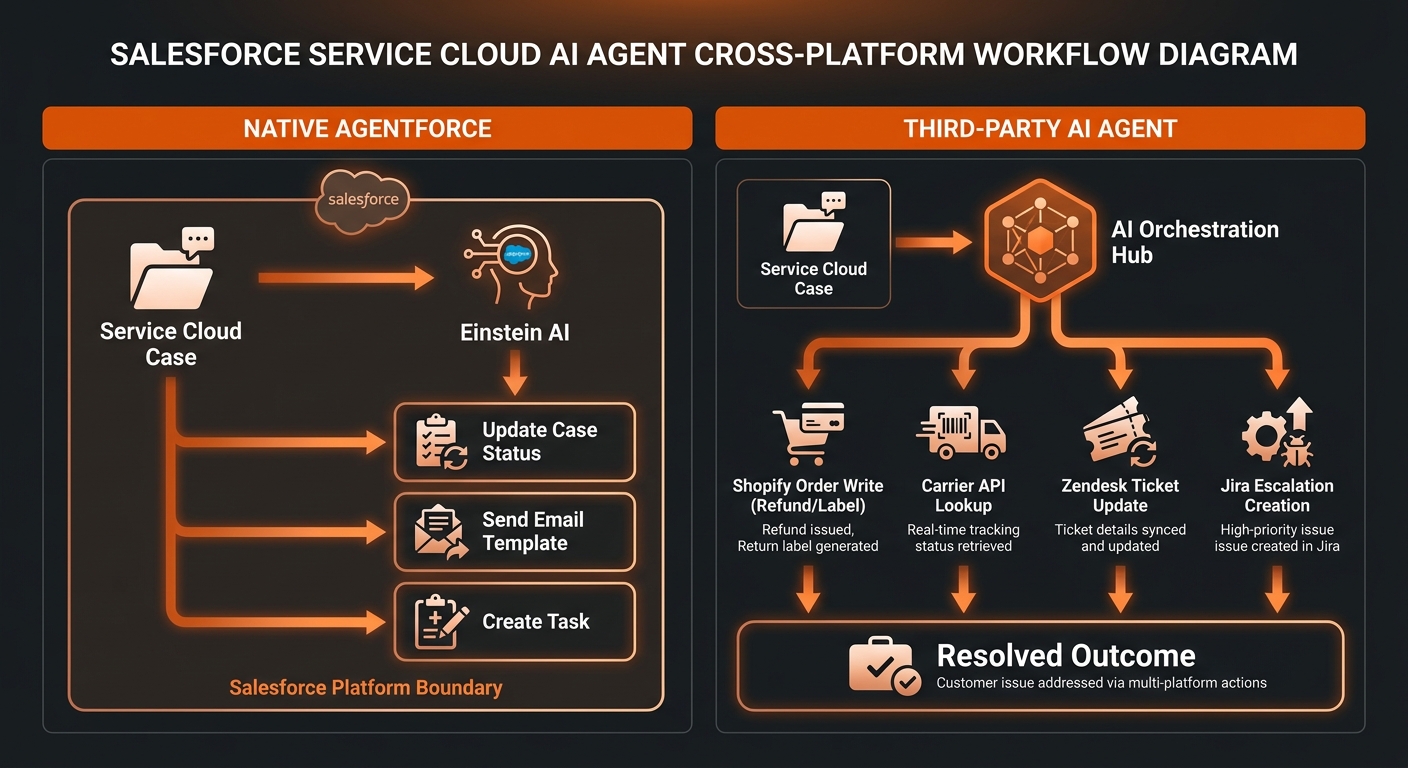
Salesforce Service Cloud AI Agent: Autonomous Case Resolution Beyond Agentforce (2026 Guide)
A Salesforce Service Cloud AI agent adds autonomous cross-platform case resolution — Zendesk, Jira, carrier APIs — without replacing Service Cloud. Here's how it works, what Agentforce can and can't do, and when you need a third-party AI agent.
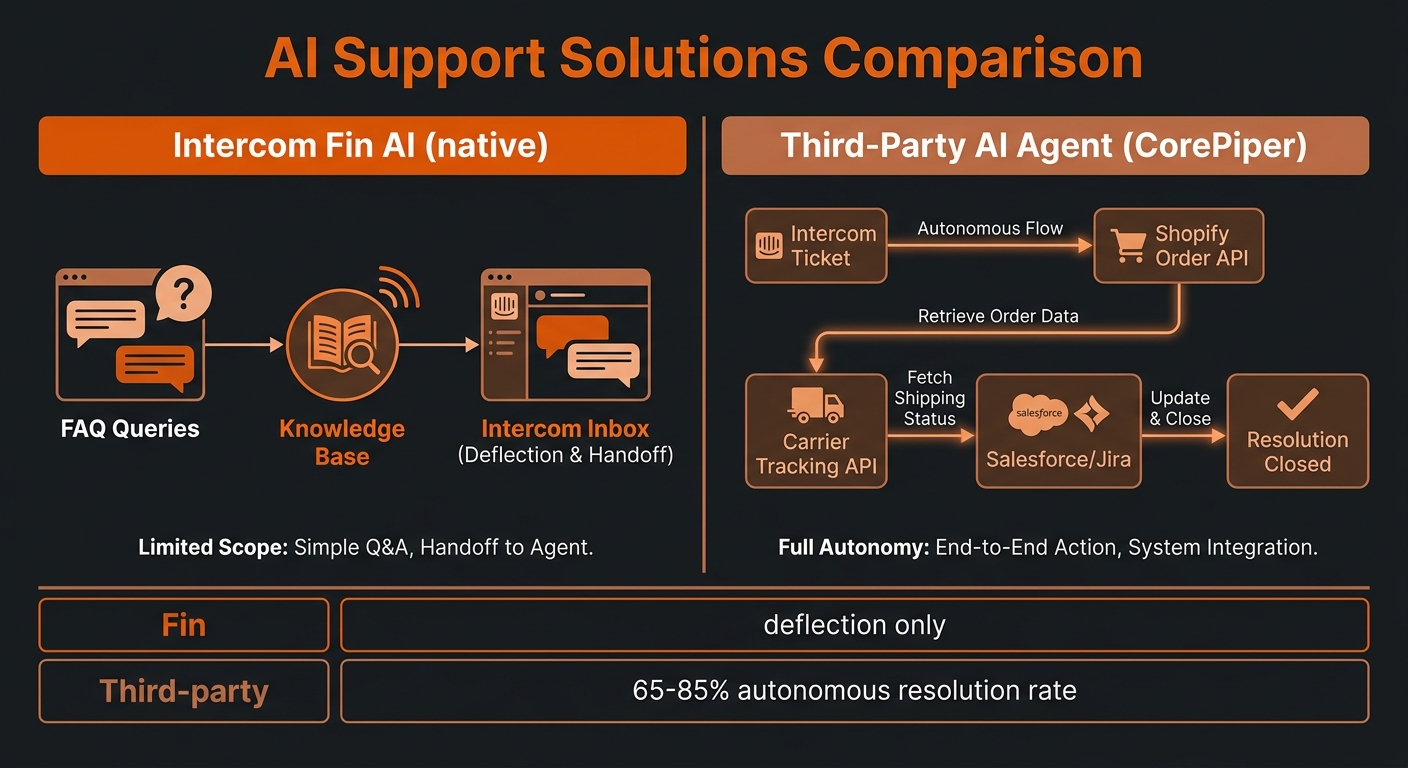
Intercom AI Agent: Autonomous Ticket Resolution Beyond Fin (2026 Guide)
An Intercom AI agent adds cross-system resolution across Shopify, carrier APIs, and Salesforce without replacing Intercom. Here's how it works, what Fin can and can't do, and when you need a third-party AI agent.
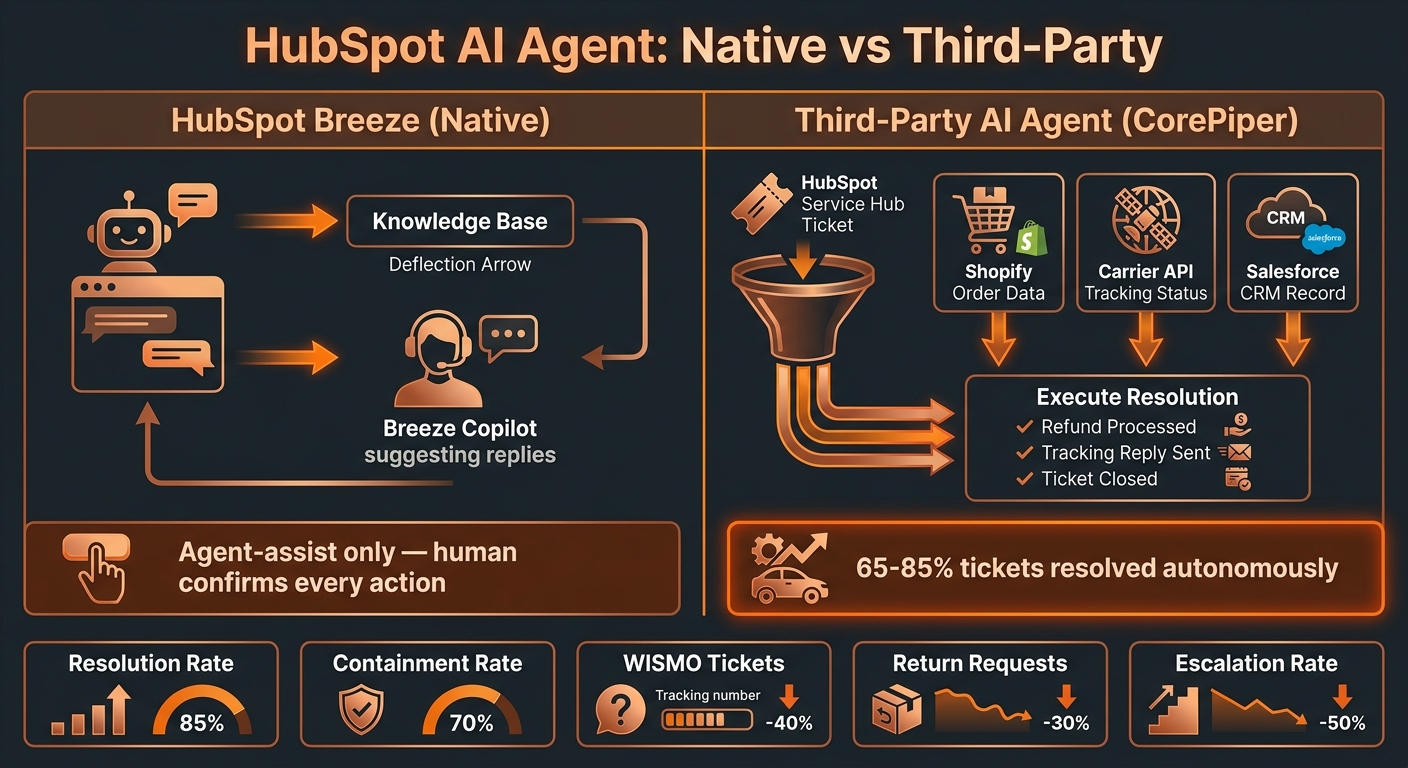
HubSpot AI Agent: Autonomous Ticket Resolution Beyond Breeze (2026 Guide)
A HubSpot AI agent adds autonomous resolution across Shopify, carrier APIs, and Salesforce without replacing HubSpot. Here's how it works, what Breeze can and can't do, and when you need a third-party AI agent.
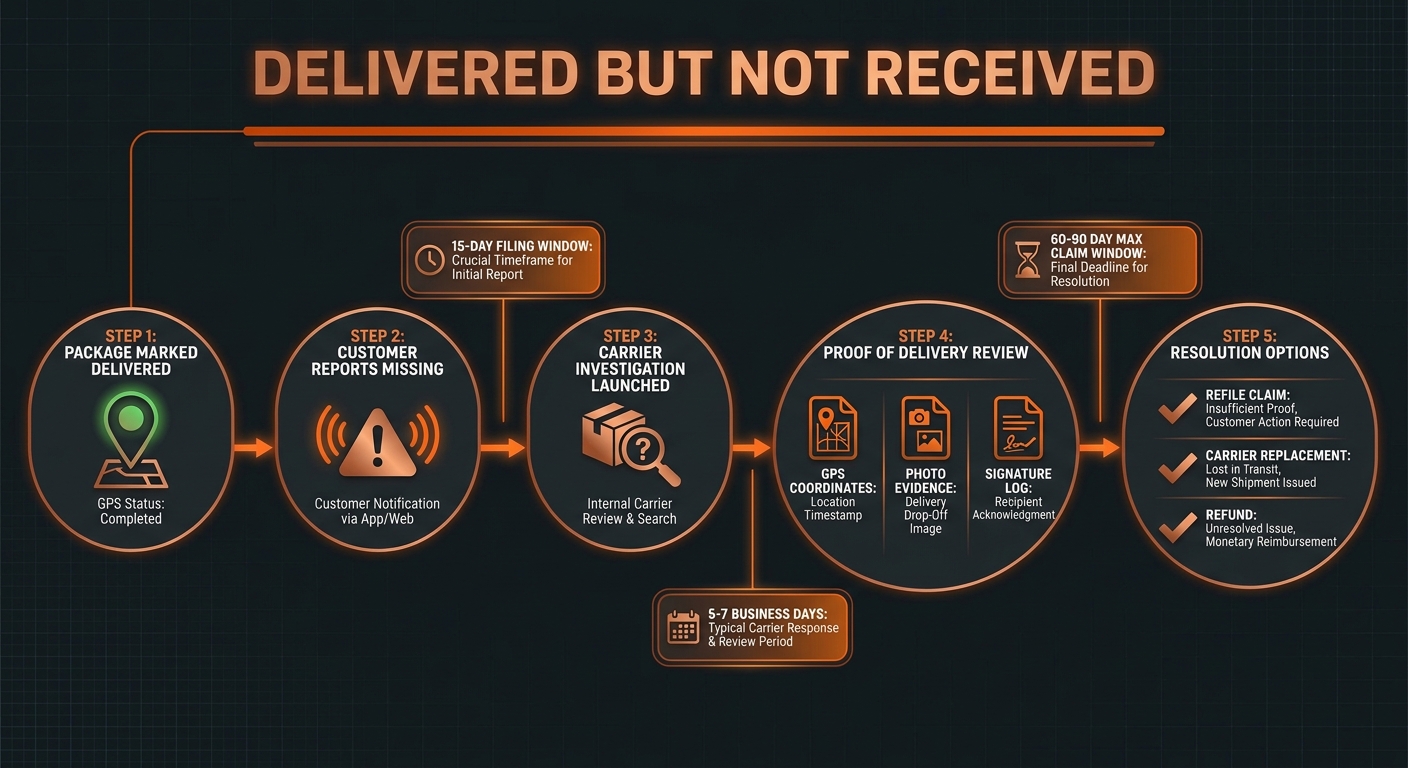
Delivered But Not Received: How to Handle the Most Disputed Shipping Claim (2026 Guide)
When a carrier marks a package delivered but the customer says it never arrived, you have 15–60 days to file and a strict evidence chain to follow. Here's the complete dispute playbook for shippers, 3PLs, and DTC brands.
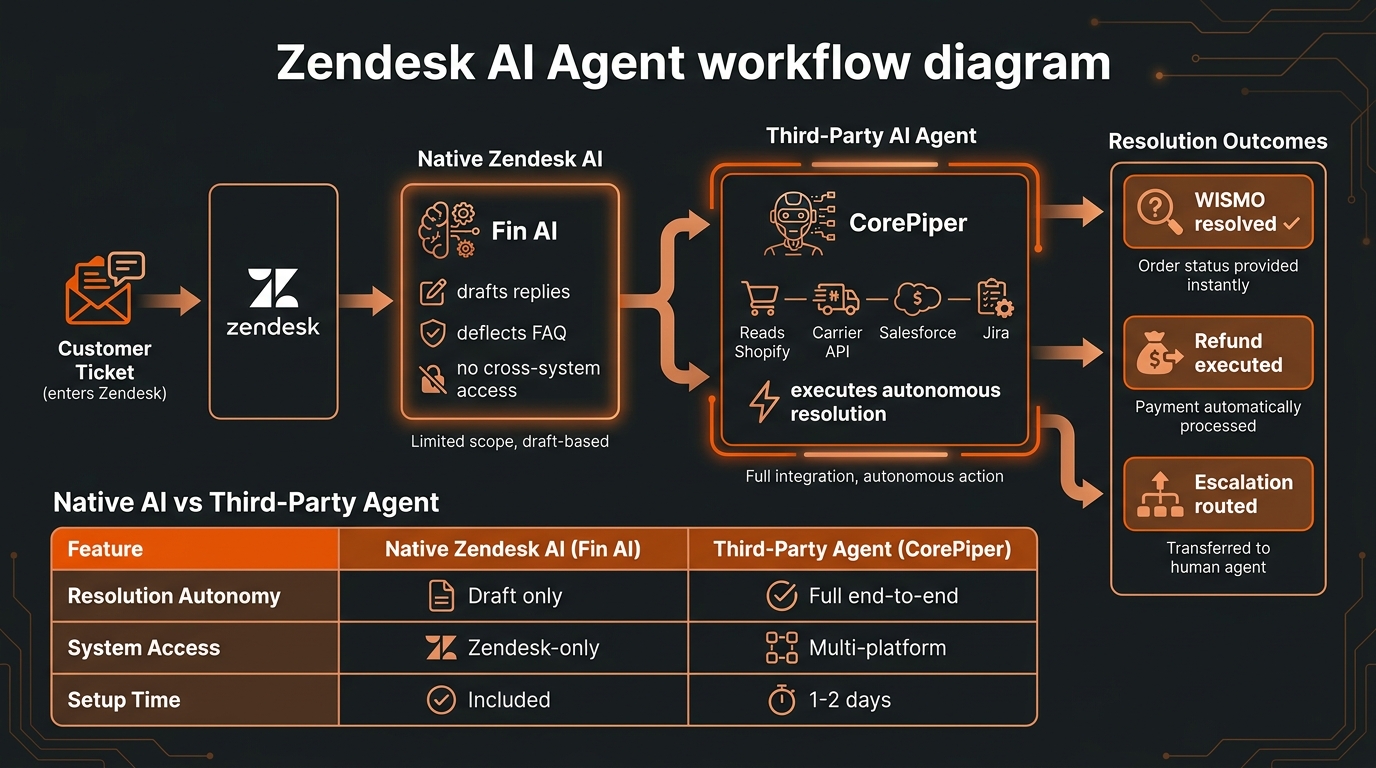
Zendesk AI Agent: Autonomous Ticket Resolution Beyond Native AI (2026 Guide)
A Zendesk AI agent resolves support tickets end-to-end across Shopify, carrier APIs, and Salesforce — going beyond what Zendesk's native AI can do. Here's how it works, what native Zendesk AI covers, and when you need a third-party agent.
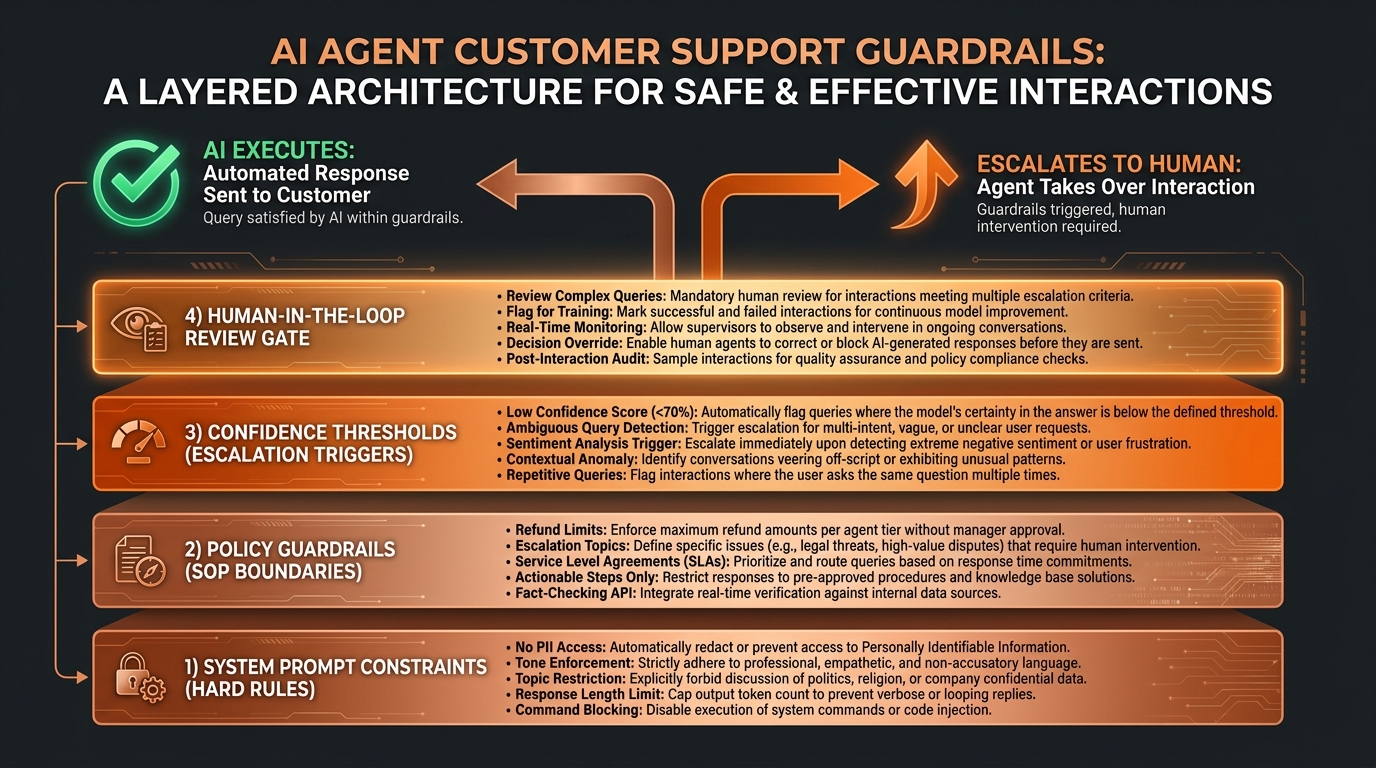
What Are Guardrails for AI Agents? (2026 Definition, Types, and Implementation)
Guardrails for AI agents are policy constraints, confidence thresholds, and escalation rules that prevent an AI agent from taking unauthorized, harmful, or incorrect actions. Here's the 2026 definition, how they work in customer support, and how to implement them.
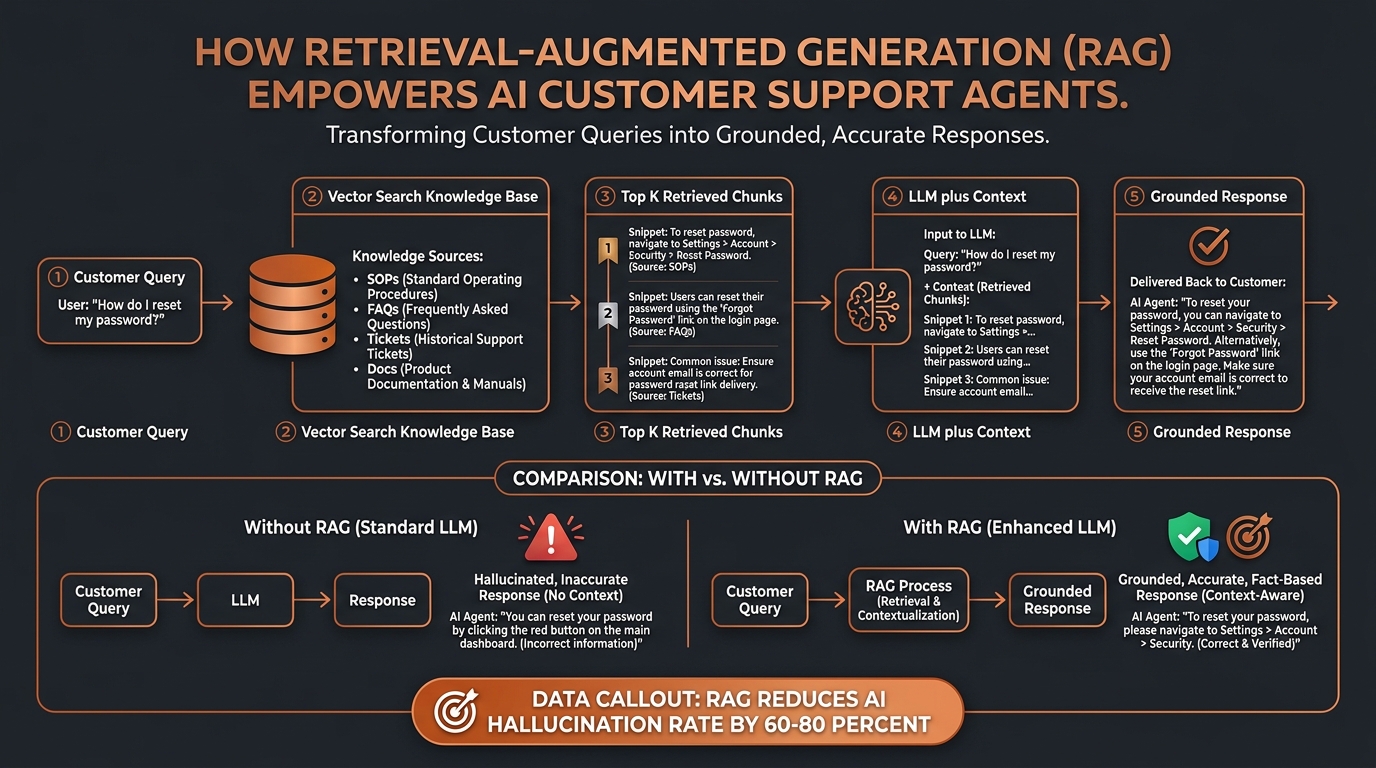
What Is RAG for Customer Support? (Retrieval-Augmented Generation, Explained)
RAG (Retrieval-Augmented Generation) grounds AI responses in your actual knowledge base instead of relying on training data alone. Here's the 2026 definition, how it works in customer support, benchmarks, and when RAG is and isn't enough.
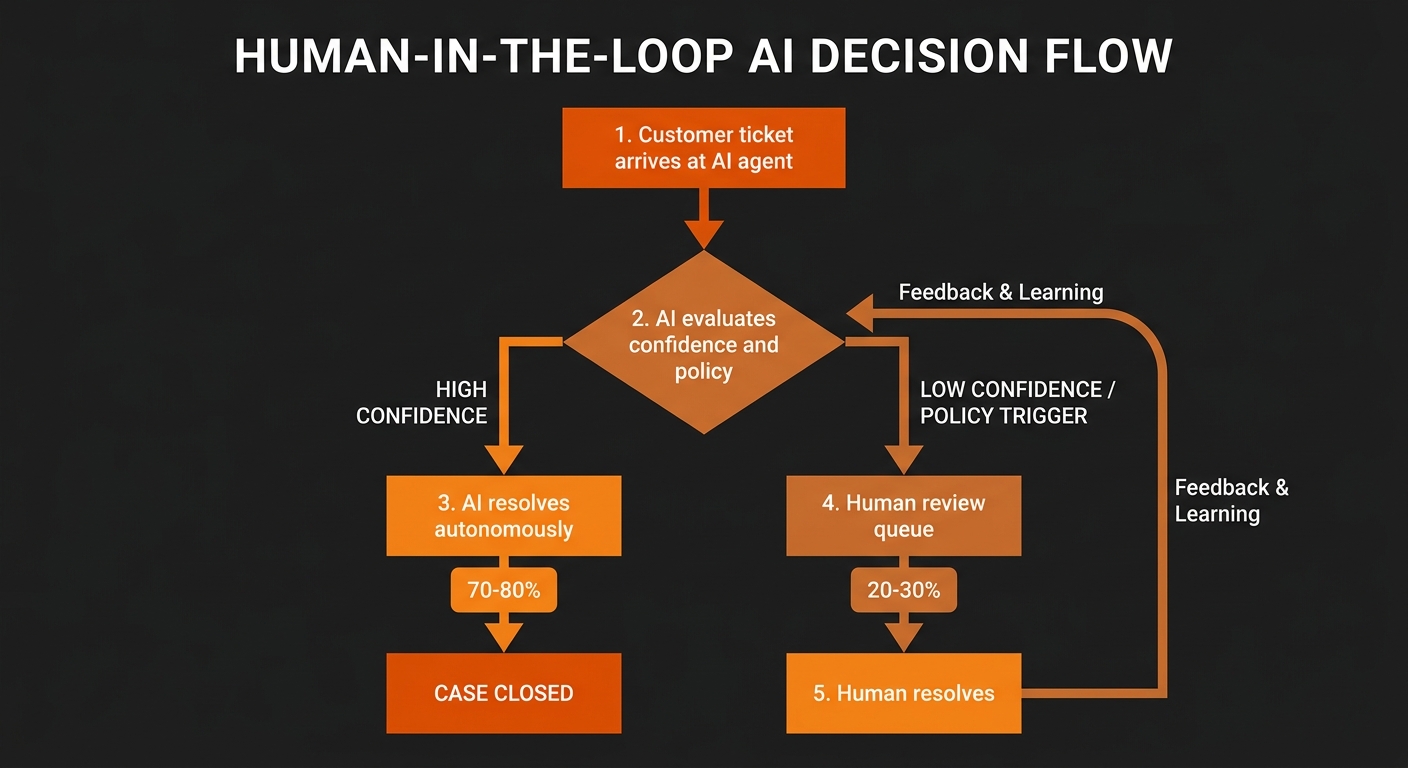
What Is Human-in-the-Loop AI? Definition, When It Applies, and 2026 Benchmarks
Human-in-the-loop AI (HITL AI) routes decisions to a human reviewer at defined confidence or policy thresholds. Here's the 2026 definition, the four HITL patterns, intervention-rate benchmarks, and when to use HITL vs. fully autonomous AI.
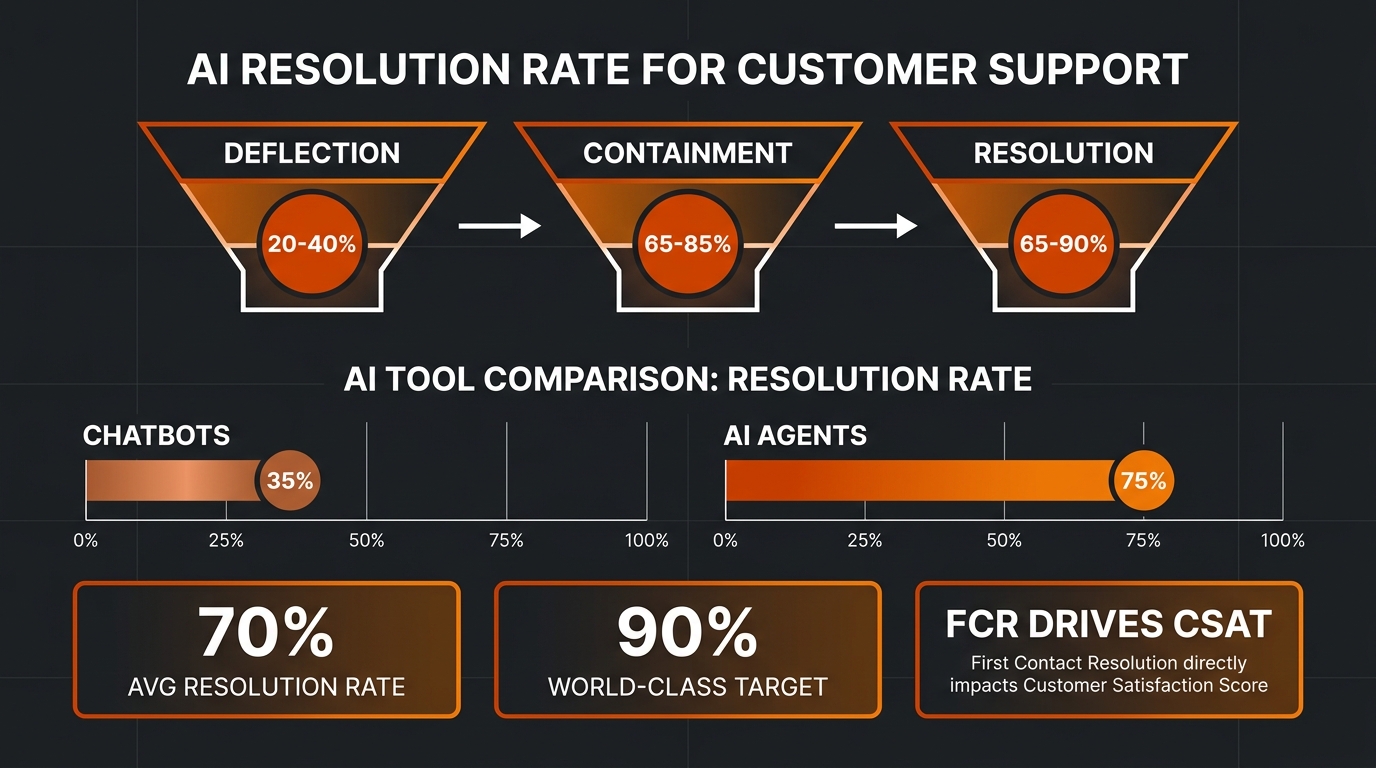
What Is AI Resolution Rate? Definition, Benchmarks, and How to Improve It (2026)
AI resolution rate is the percentage of customer interactions where an AI agent fully solves the customer's problem. Here's the 2026 definition, industry benchmarks by query type, and what actually moves the number.
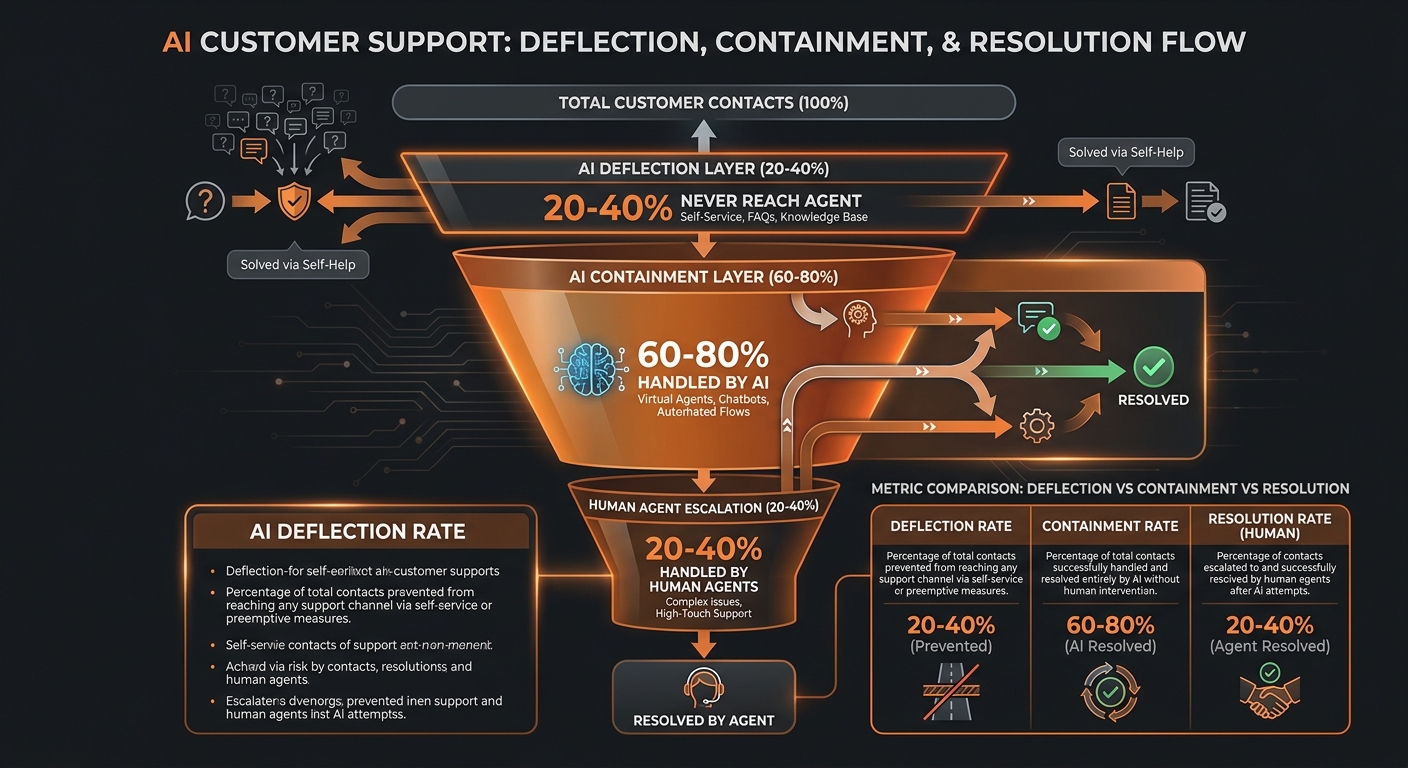
What Is AI Deflection Rate? Definition, Benchmarks, and Why It's the Wrong Primary Metric (2026)
AI deflection rate is the percentage of customer contacts that never reach a human agent. Here's the 2026 definition, industry benchmarks, and why optimizing for deflection alone backfires.
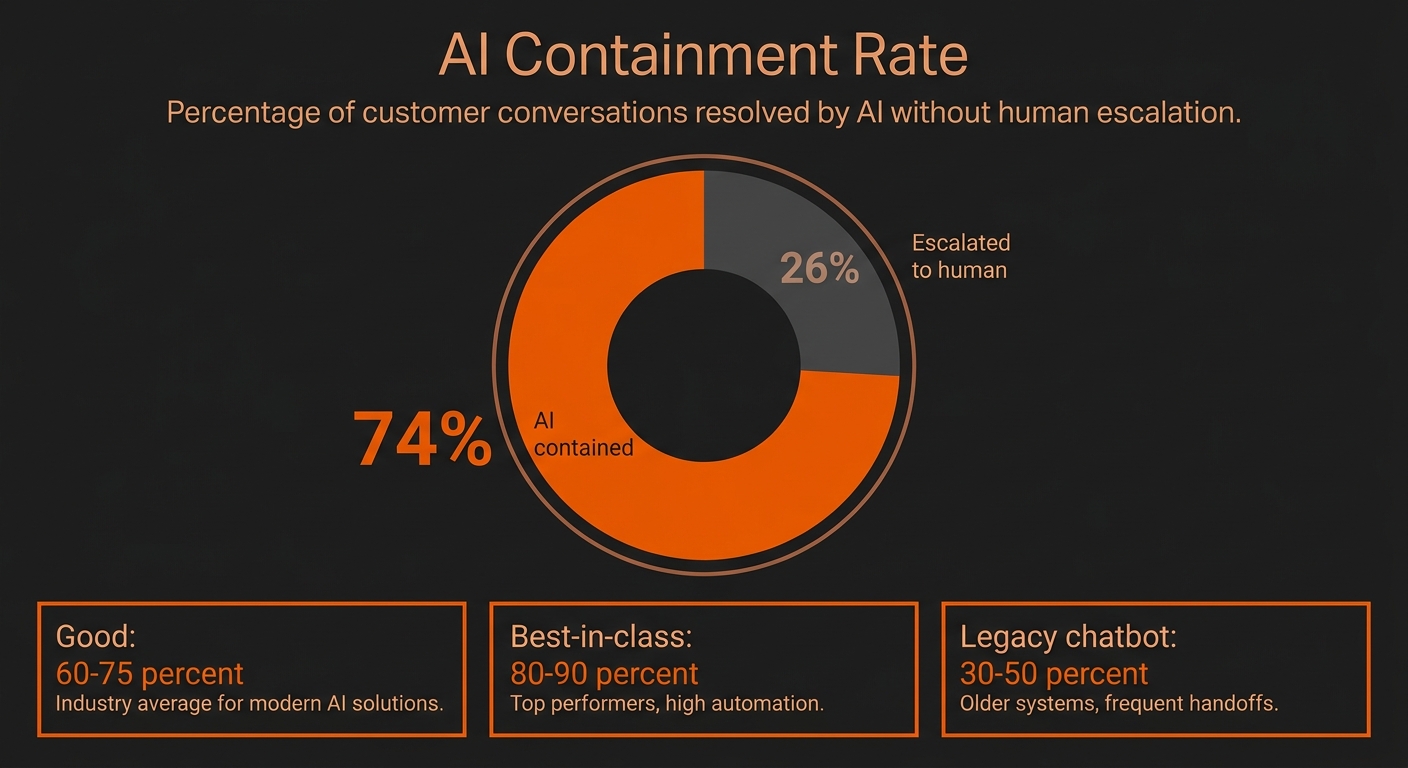
What Is AI Containment Rate? Definition, Benchmarks, and How to Improve It (2026)
AI containment rate is the percentage of customer conversations an AI agent handles to resolution without escalating to a human. Here's the 2026 definition, industry benchmarks, and what actually moves the number.
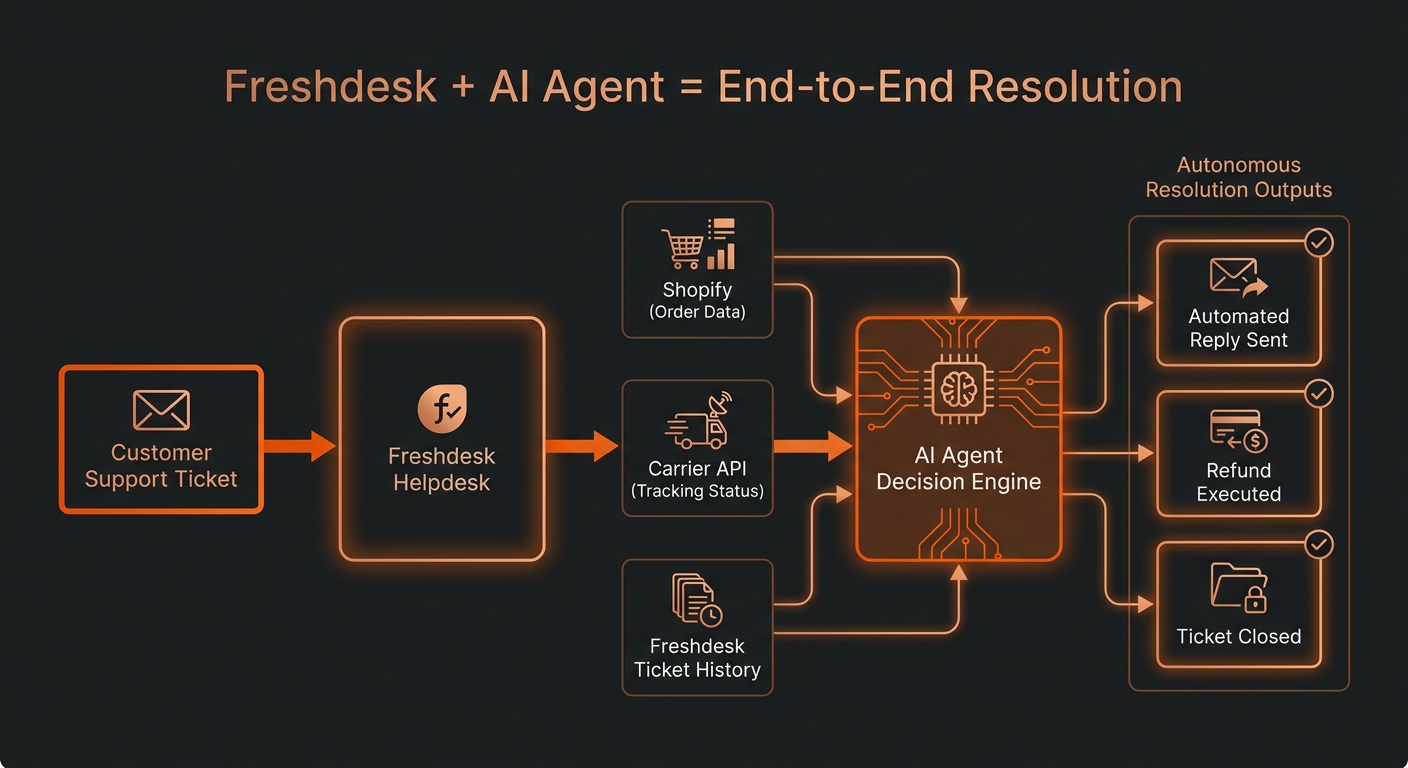
Freshdesk AI Agent: Autonomous Ticket Resolution Without Replacing Your Helpdesk (2026 Guide)
A Freshdesk AI agent adds autonomous resolution across Shopify, carrier APIs, and back-office systems without replacing Freshdesk. Here's how it works, what Freddy AI can and can't do, and when you need a third-party AI agent.
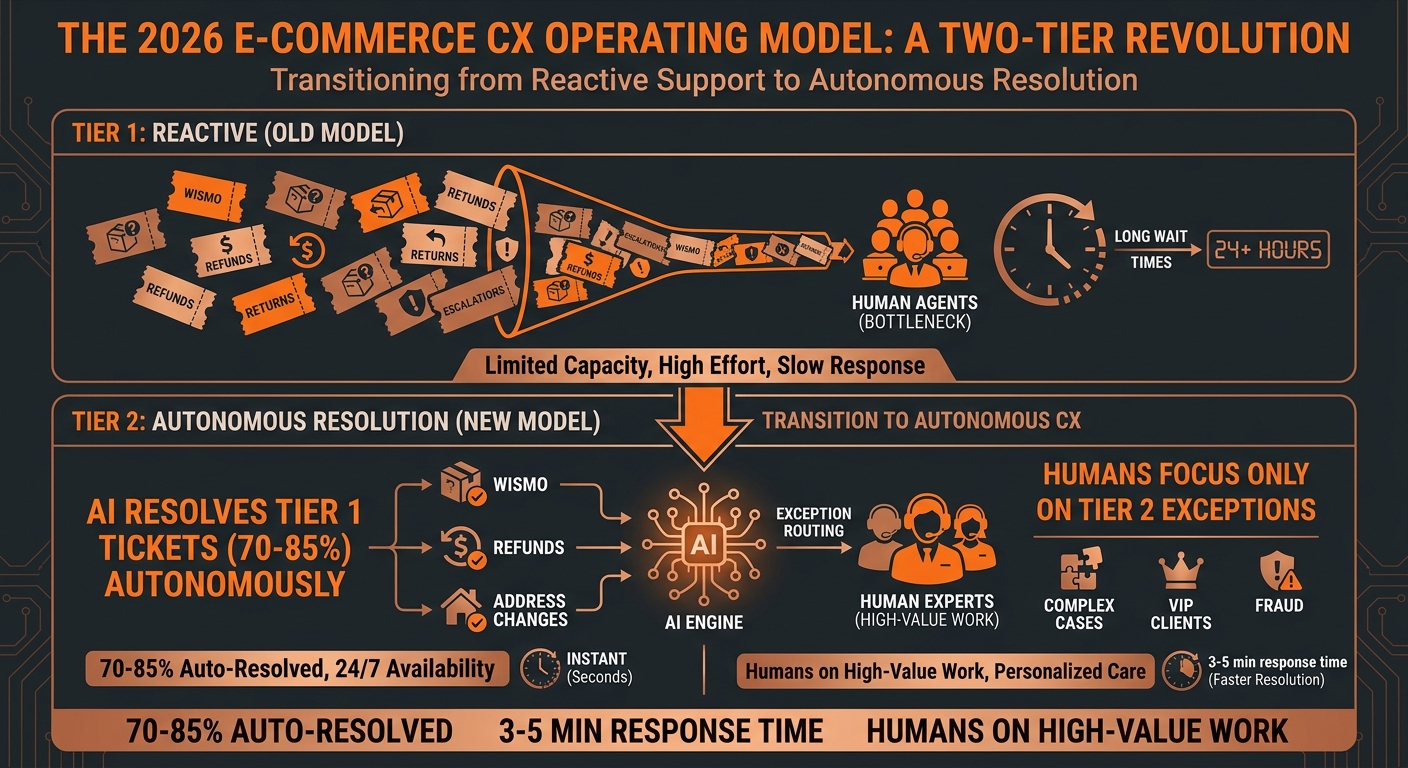
The 2026 E-commerce CX Operating Model: From Reactive Tickets to Autonomous Resolution
The 2026 e-commerce CX operating model replaces reactive ticket queues with a two-tier system: AI agents resolve 70-85% of Tier-1 requests autonomously, while humans focus on high-judgment Tier-2 exceptions and VIP work.
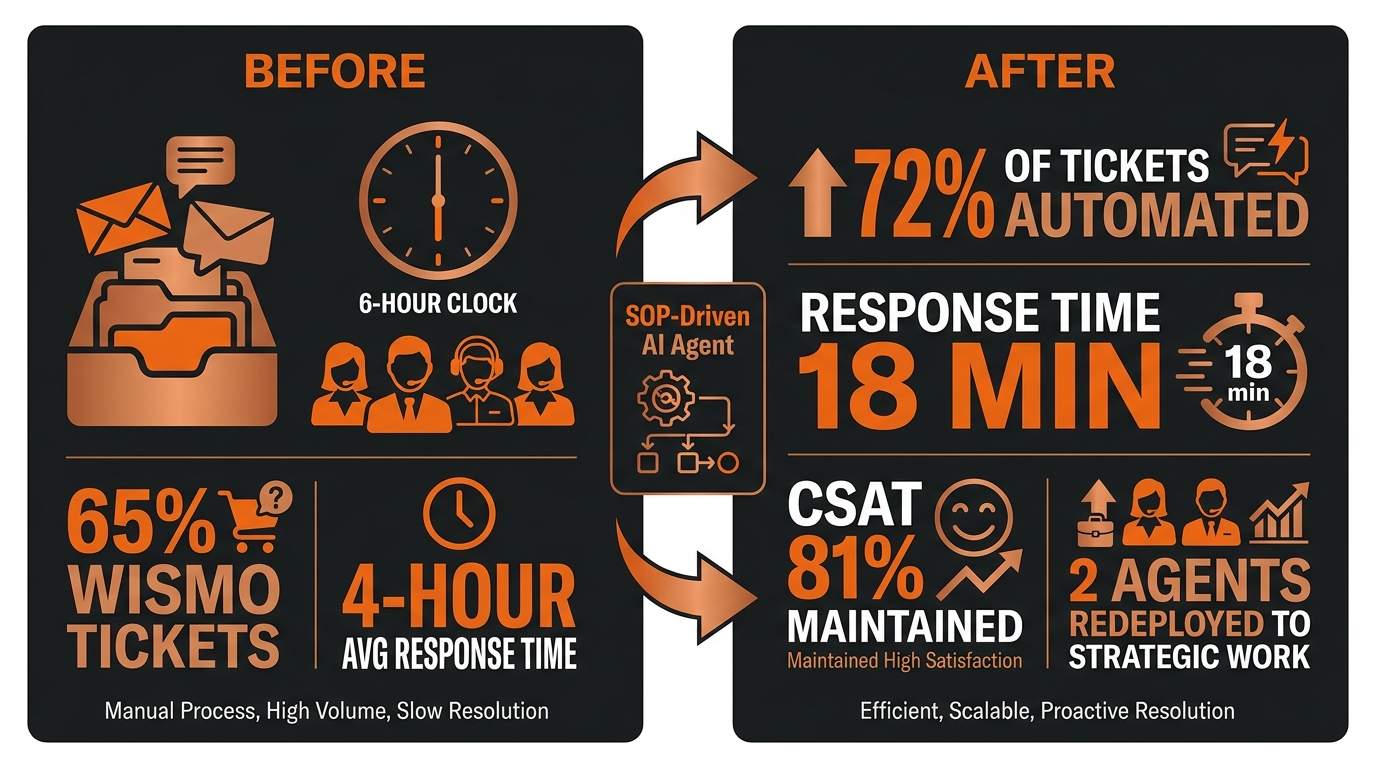
How a DTC Brand Automated 72% of Support Tickets and Halved Response Time in 30 Days
A composite case study showing how a 7-figure DTC apparel brand used SOP-driven AI agents to automate 72% of tickets, cut average response time from 4 hours to 18 minutes, and maintain 81% CSAT — without replacing their helpdesk.
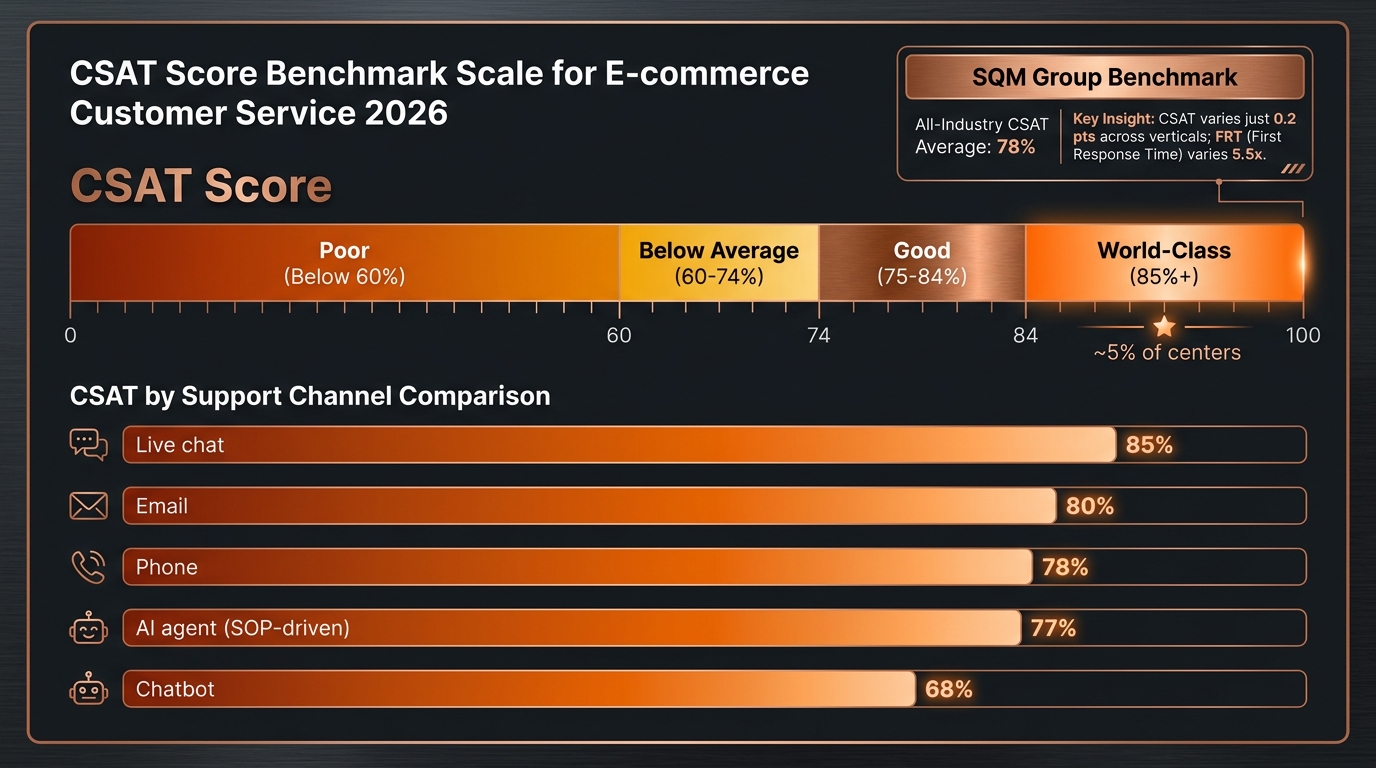
What Is a Good CSAT Score for E-commerce? 2026 Benchmarks by Channel
A good CSAT score for e-commerce is 75%–84%. World-class is 85%+, reached by only ~5% of contact centers. Here are 2026 benchmarks by channel, ticket type, and automation path — with what actually moves the number.
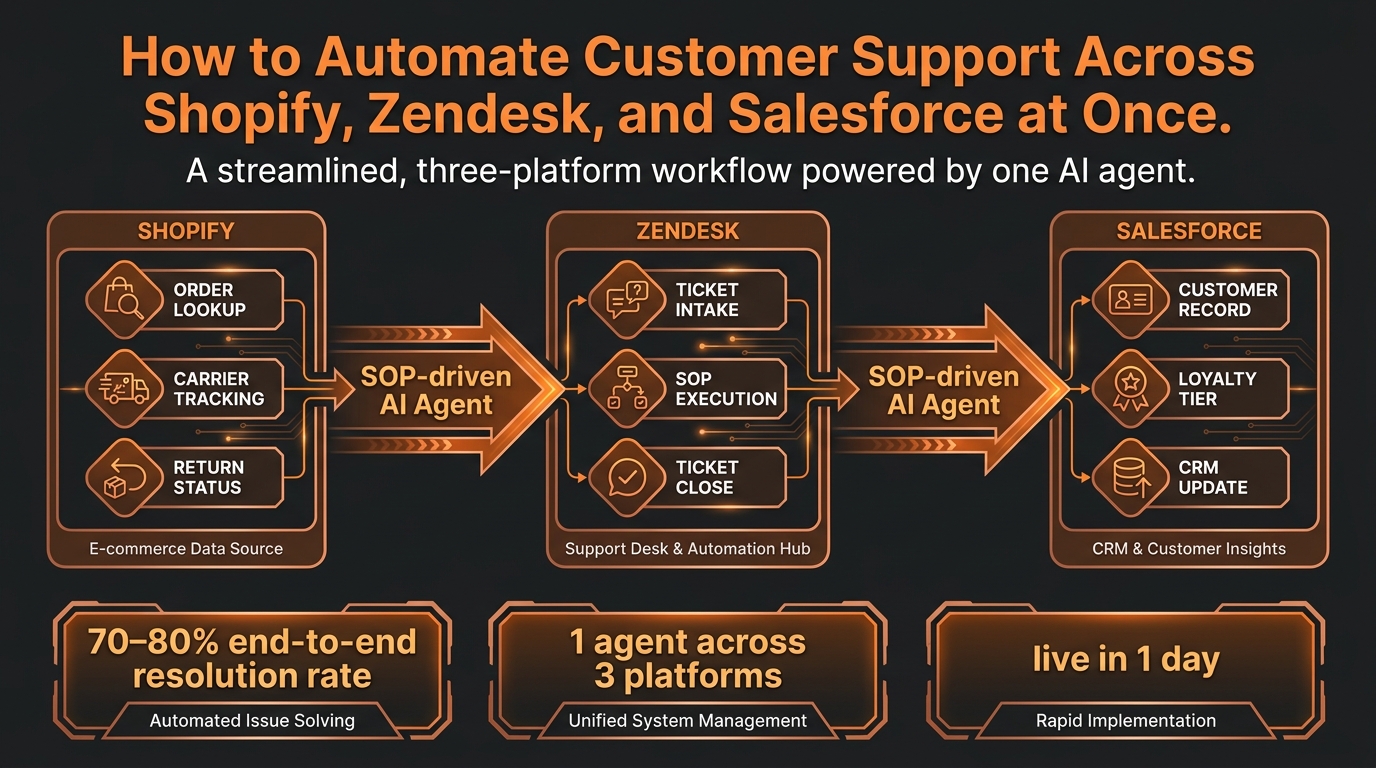
How to Automate Customer Support Across Shopify, Zendesk, and Salesforce at Once
Step-by-step guide to running one AI agent across Shopify, Zendesk, and Salesforce — resolving tickets end-to-end without separate vendor add-ons for each platform.
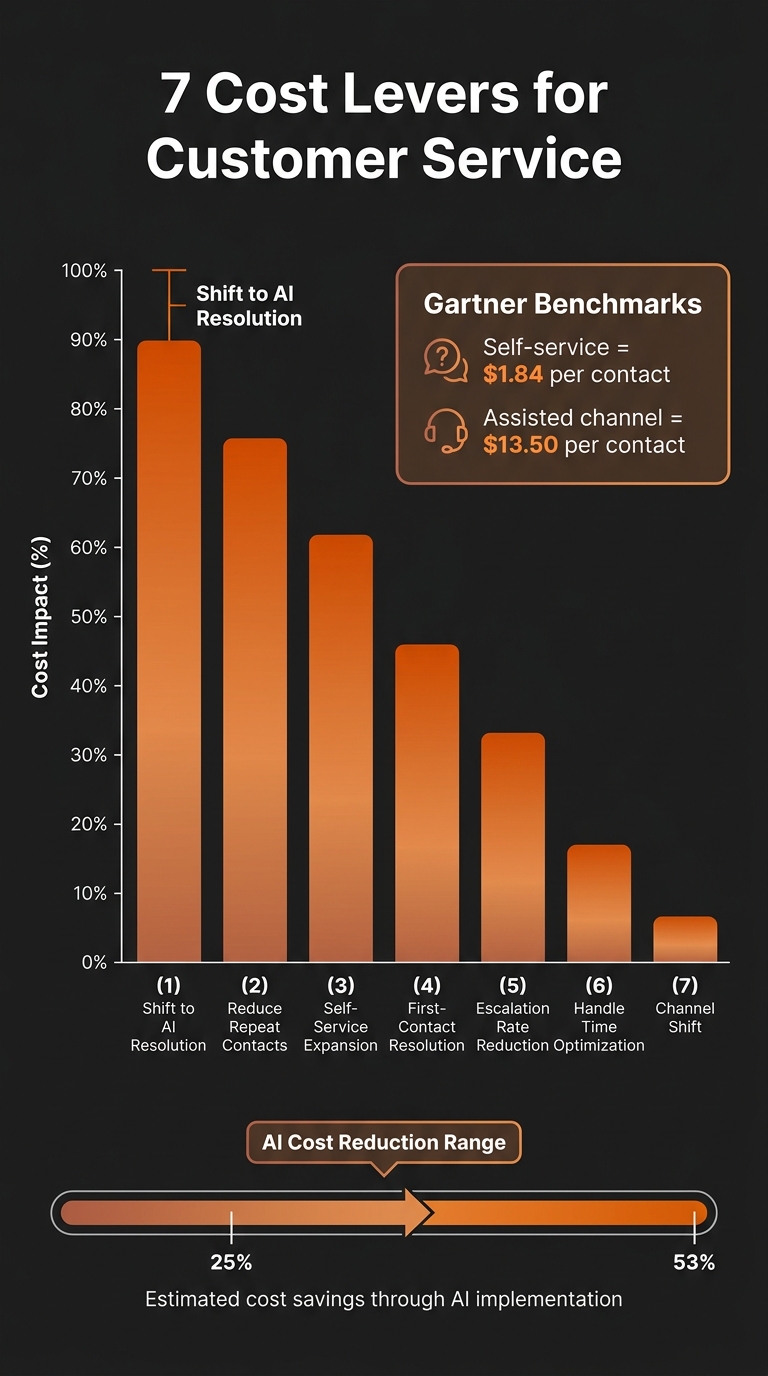
Customer Service Cost Reduction: 7 Levers That Don't Hurt CSAT
Gartner benchmarks assisted-channel support at $13.50 vs $1.84 for self-service. These 7 levers cut customer service costs 25–53% without sacrificing satisfaction scores.
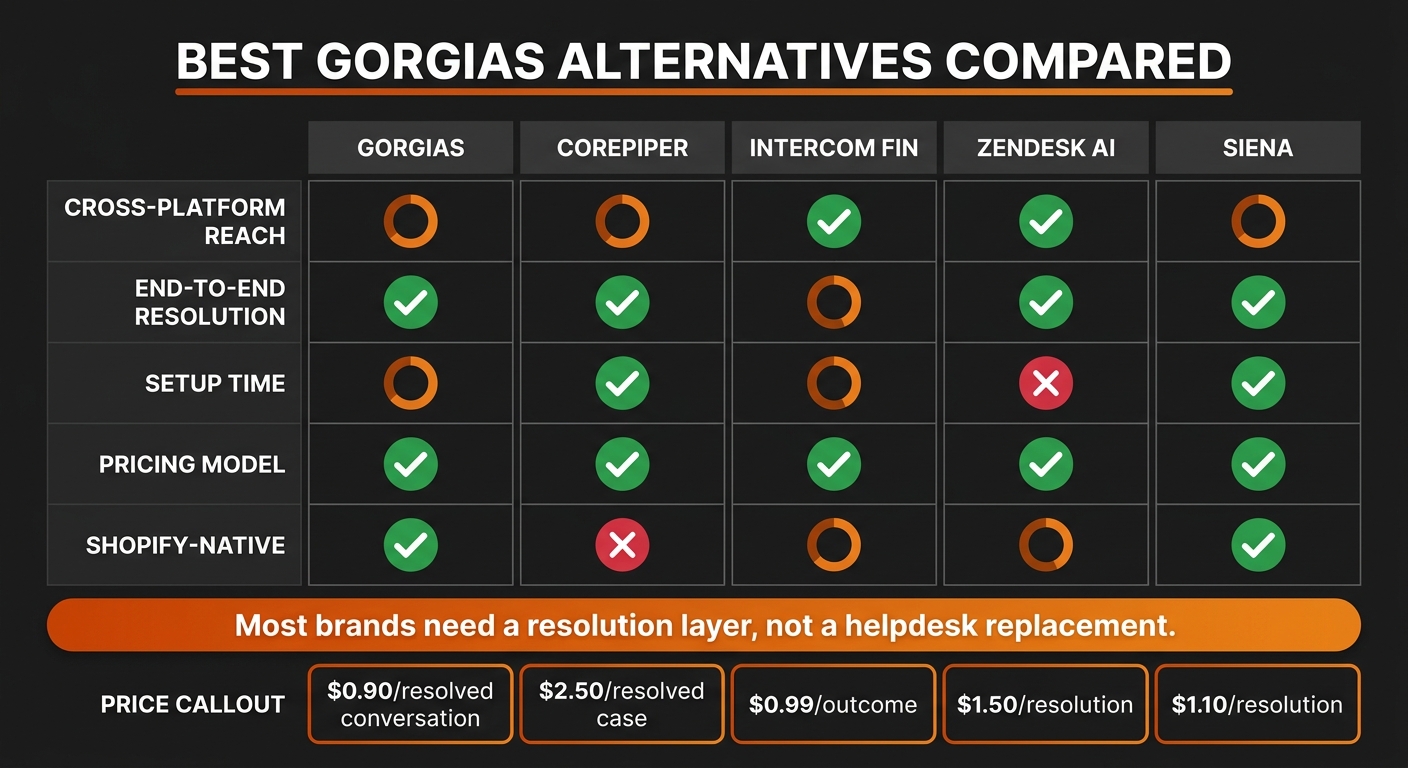
The Best Gorgias Alternatives for Brands That Want Real Automation
Looking for a Gorgias alternative that goes beyond helpdesk deflection? Six tools compared on automation depth, cross-platform reach, pricing, and which fits your stack.
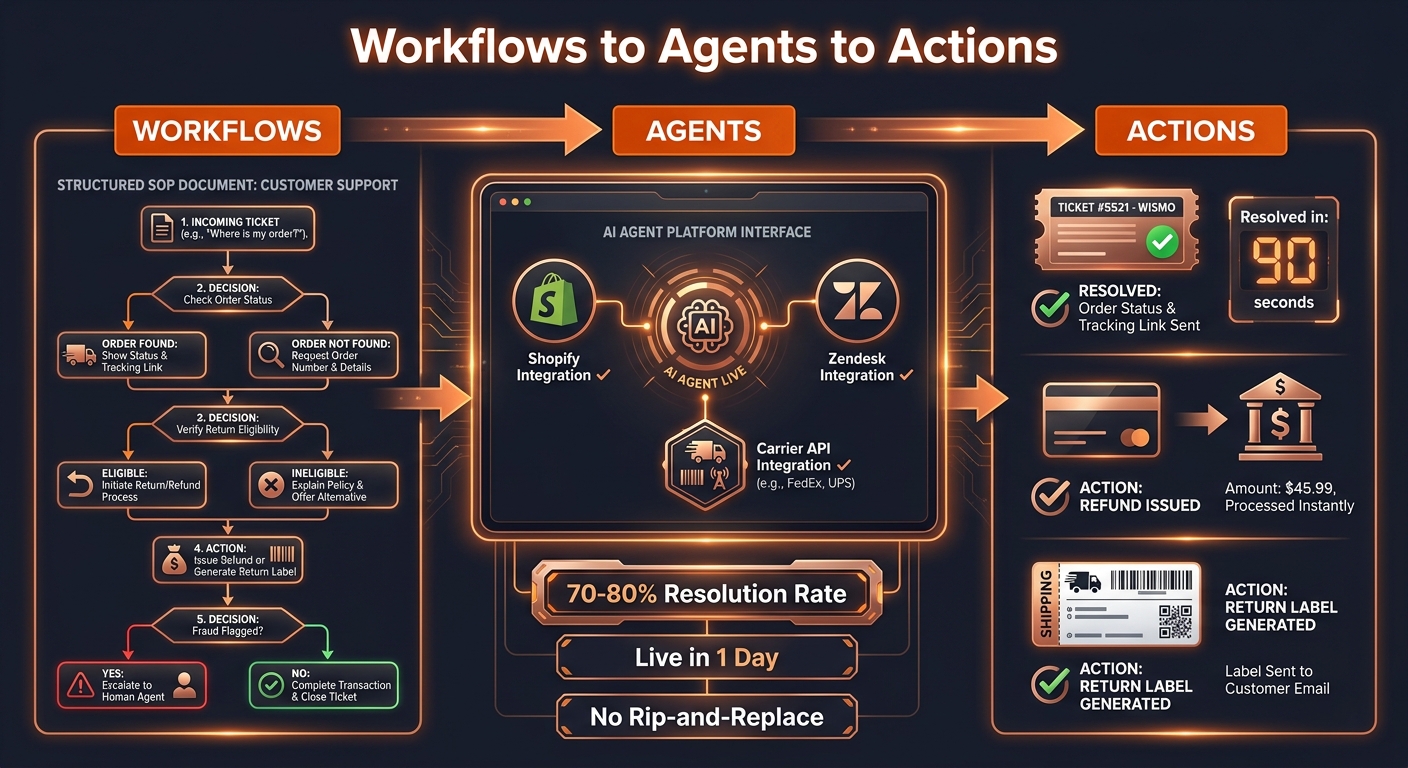
How AI Agents Use Your SOPs to Resolve Tickets (Workflows → Agents → Actions)
SOP-driven AI agents don't answer questions — they execute your procedures end-to-end. Here's how the Workflows → Agents → Actions pipeline works for e-commerce support, and why most brands go live within a day.
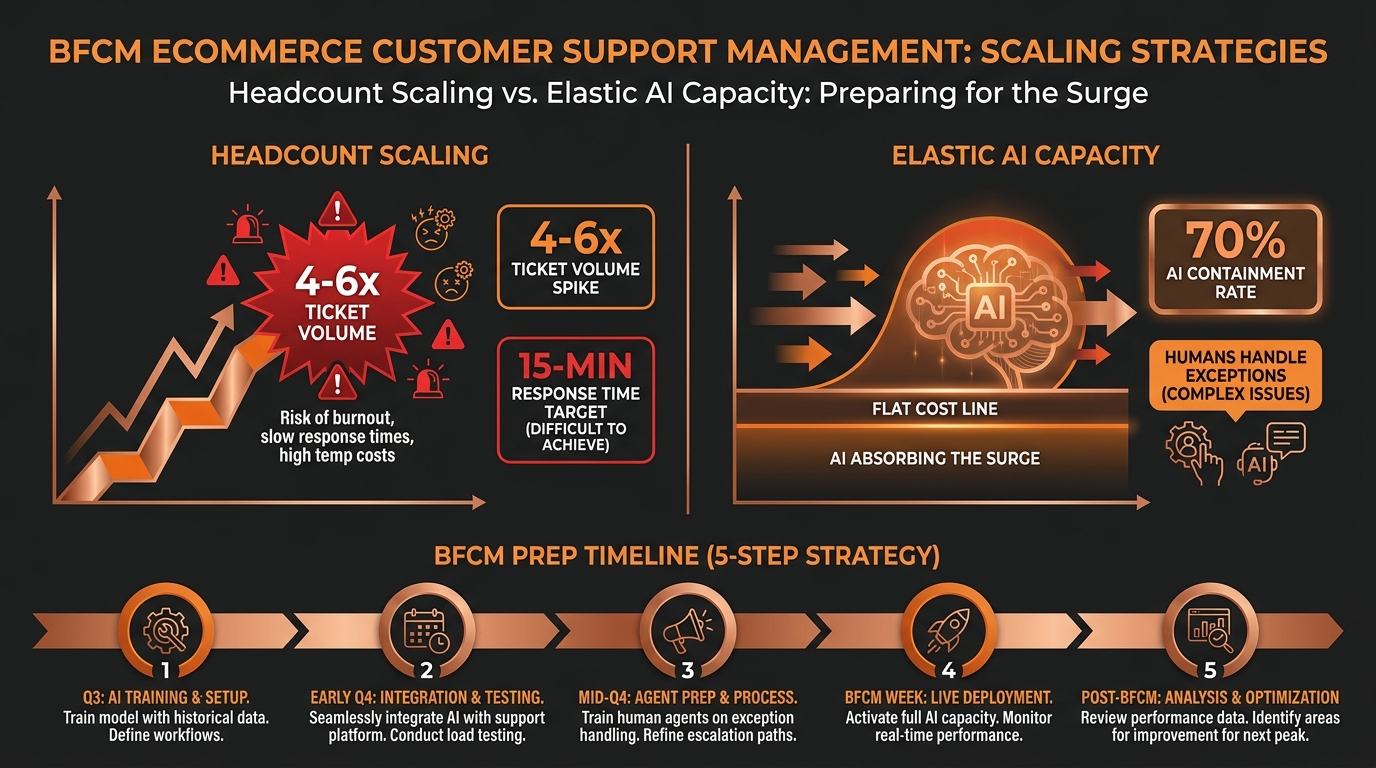
BFCM Customer Service Playbook: Handling 3–6× Ticket Volume Without Burning Out Your Team
BFCM brings 4–6× ticket volume and under-15-minute response expectations. Here's how elastic AI capacity absorbs the surge while your team handles the exceptions that actually need them.
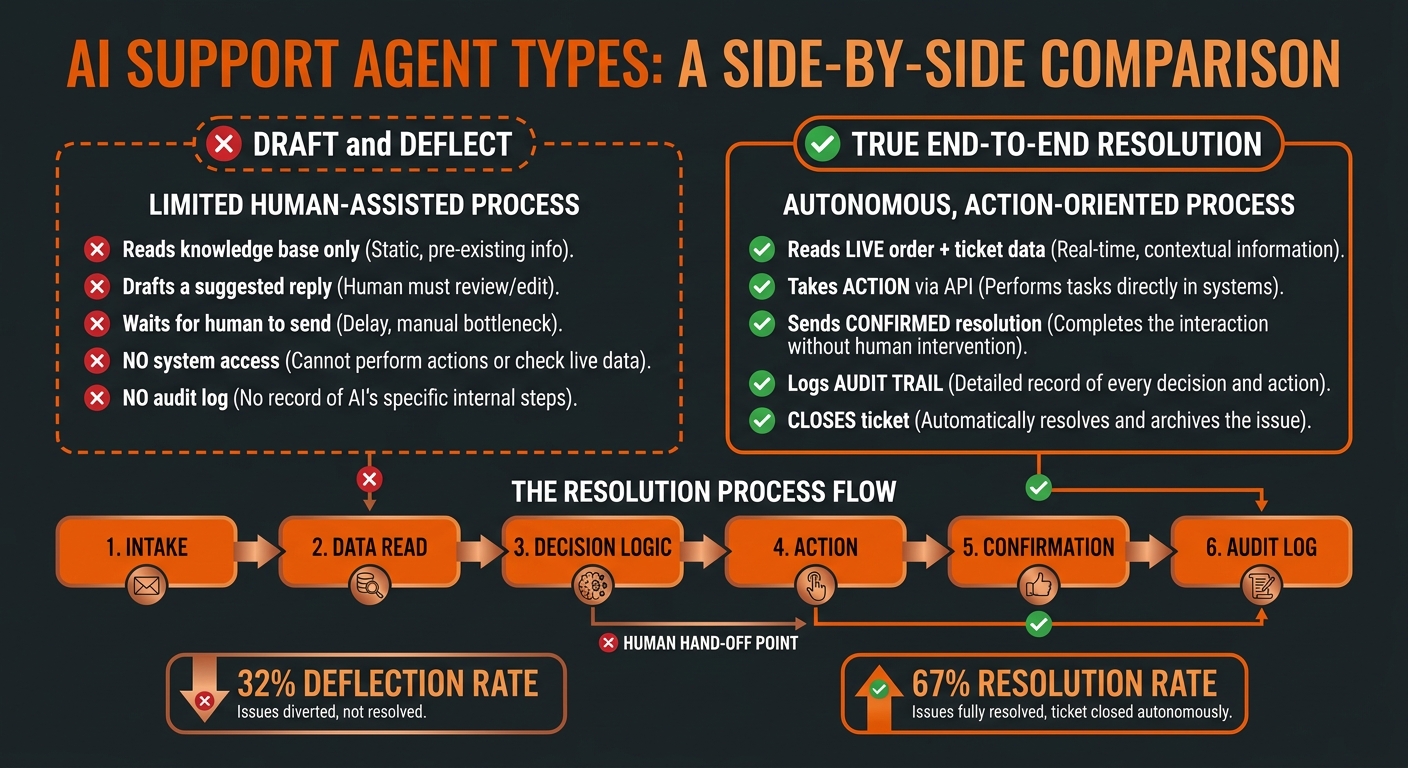
What "End-to-End Resolution" Really Means (and How to Tell If Your AI Does It)
End-to-end AI resolution means the agent reads live data, takes action via API, confirms with the customer, and logs an audit trail — without a human in the loop. Here is the six-question checklist to find out if yours actually does it.
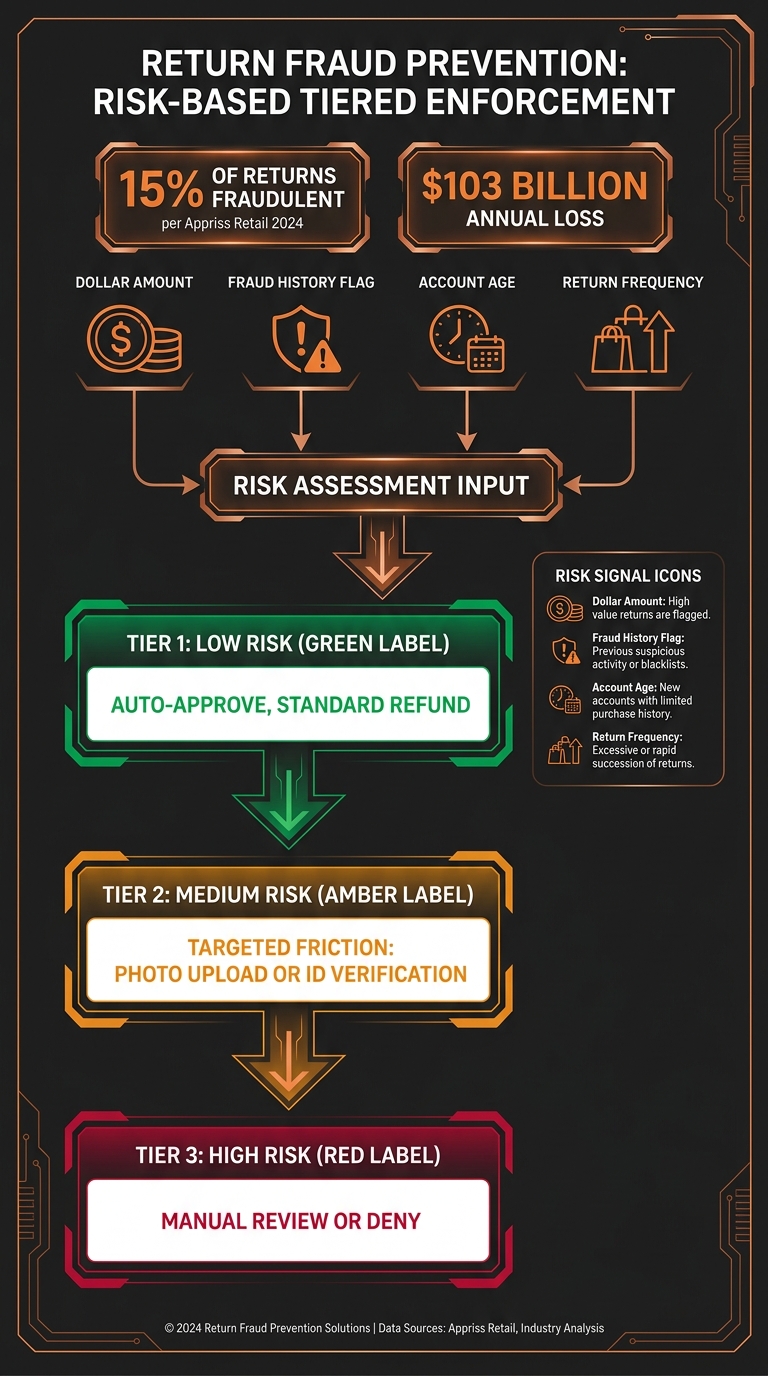
How to Prevent Return Fraud Without Punishing Good Customers
Return fraud costs U.S. retailers an estimated $103 billion a year. Here's how to stop it with risk-based tiered enforcement and targeted friction at submission — without blocking legitimate returns from honest customers.
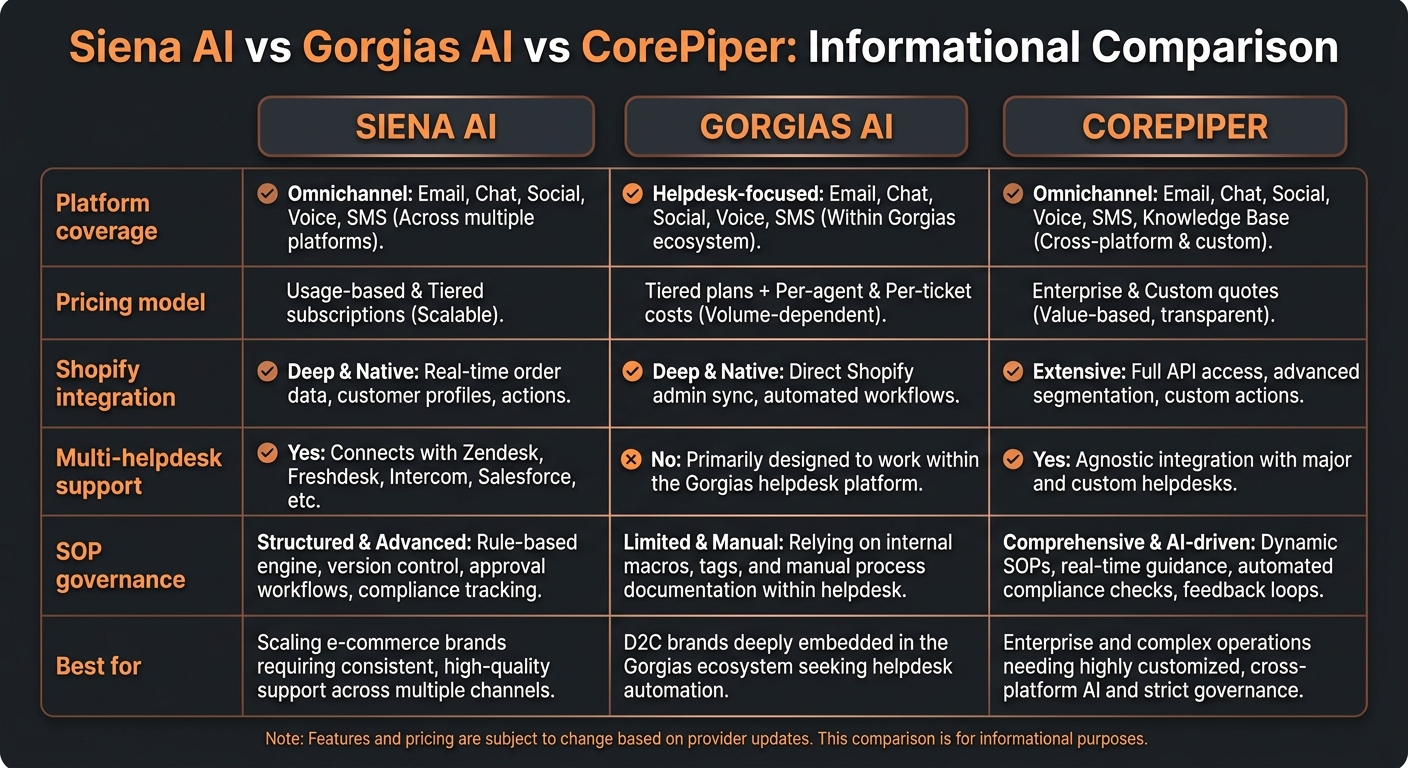
Siena vs. Gorgias AI vs. CorePiper: Choosing an AI Agent for Your Store
Siena, Gorgias AI, and CorePiper compared on pricing, platform coverage, and automation depth. Honest 2026 guide to choosing the right AI agent for your e-commerce support stack — from single-helpdesk resolution to cross-platform case operations.
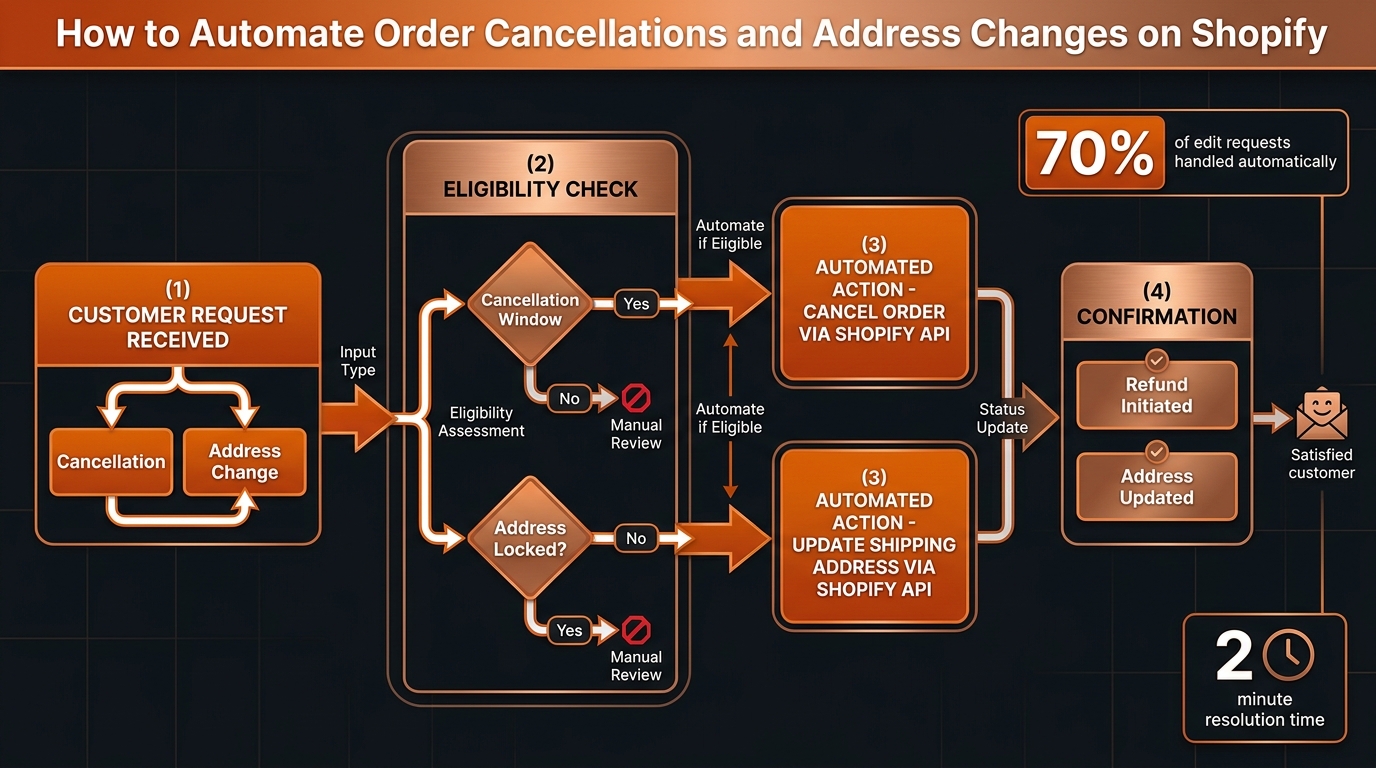
How to Automate Order Cancellations and Address Changes on Shopify
Learn how to automate the two most common Shopify order-edit requests — cancellations and address changes — using AI agents and the Shopify Admin API. Includes SOP logic, guardrails, and step-by-step API reference.
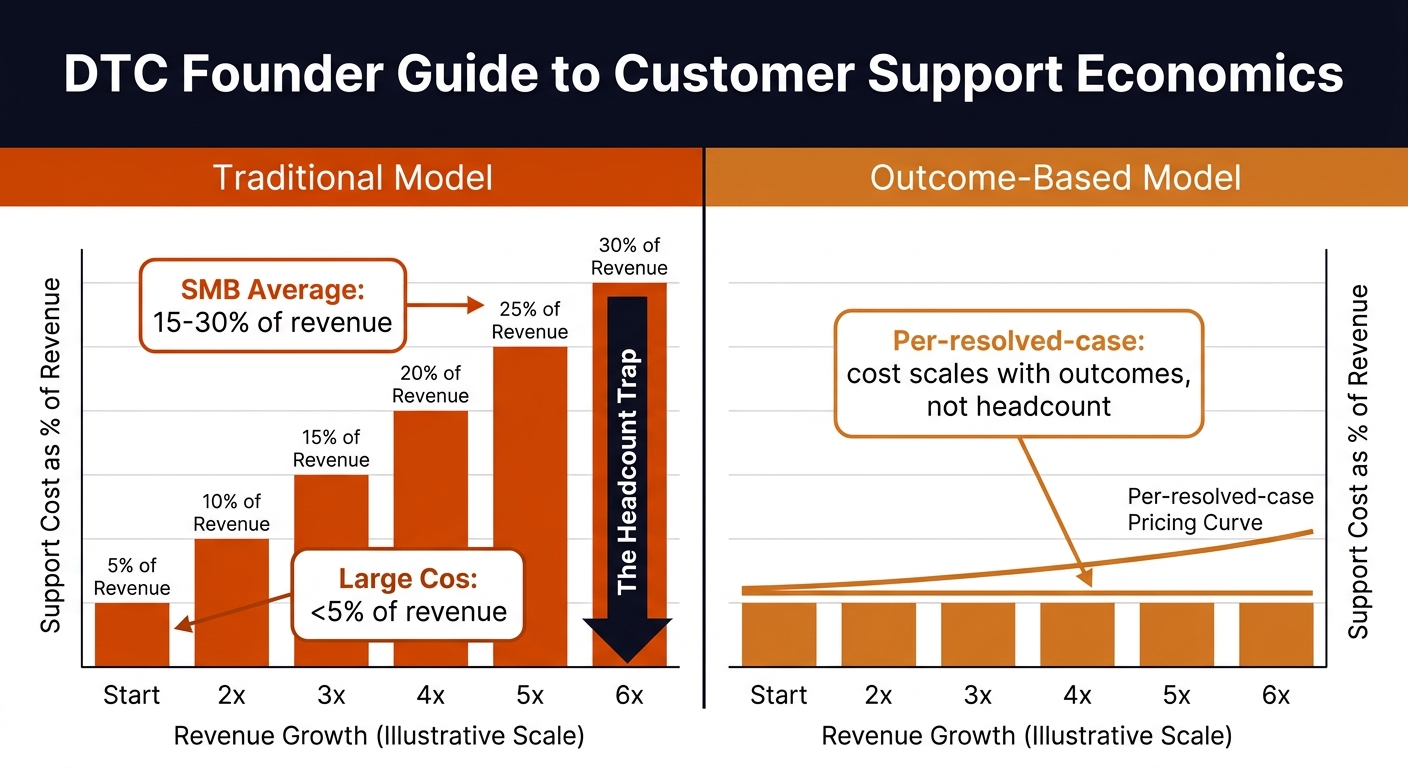
The DTC Founder's Guide to Customer Support Economics
Support costs eat 5–30% of revenue for DTC brands depending on scale. This guide breaks down the real math behind the headcount trap — and how outcome-based AI automation breaks the cost-scales-with-growth curve.
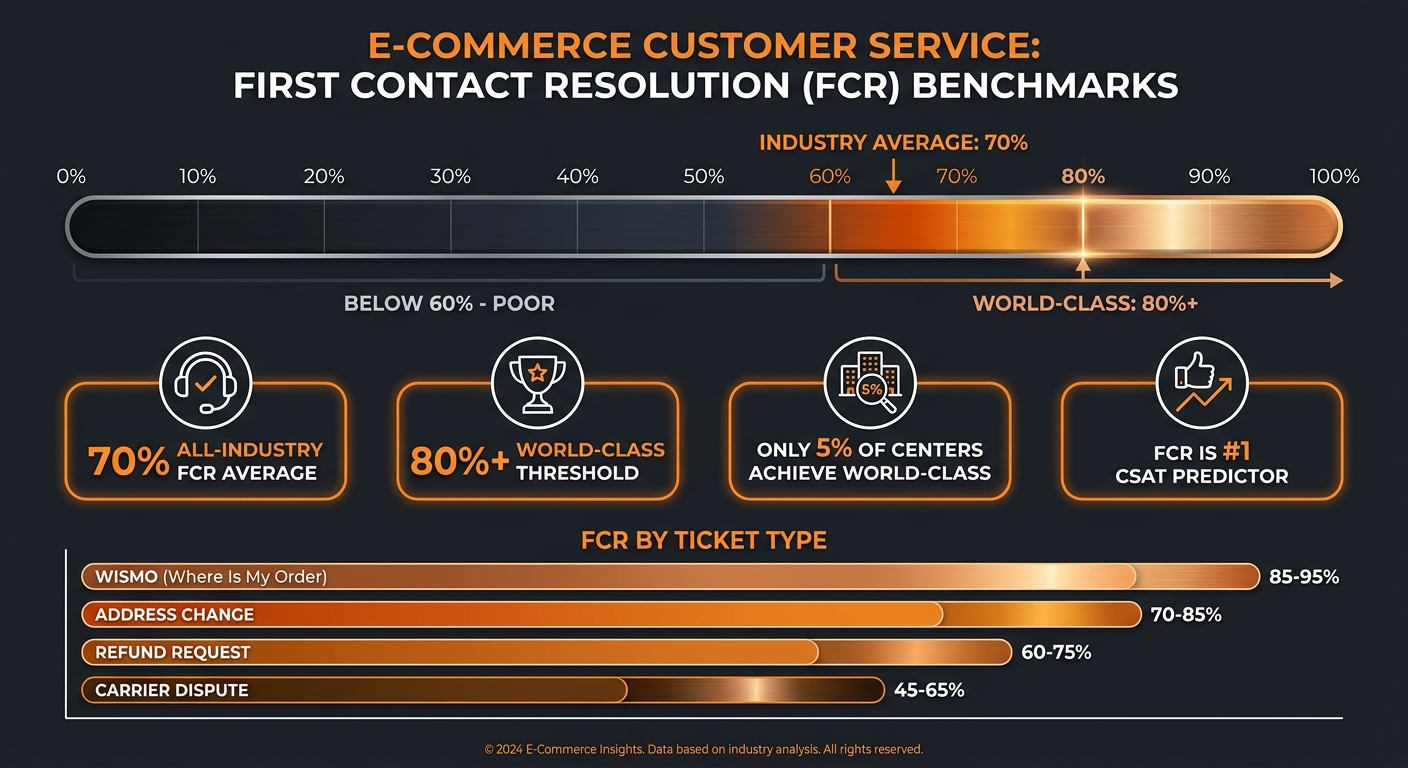
What Is First Contact Resolution (FCR)? Benchmarks + How to Improve It
First Contact Resolution (FCR) is the percentage of customer issues resolved in a single interaction. The industry average is 70%; world-class is 80%+. FCR is the strongest single predictor of CSAT — here's how to measure it and move it.
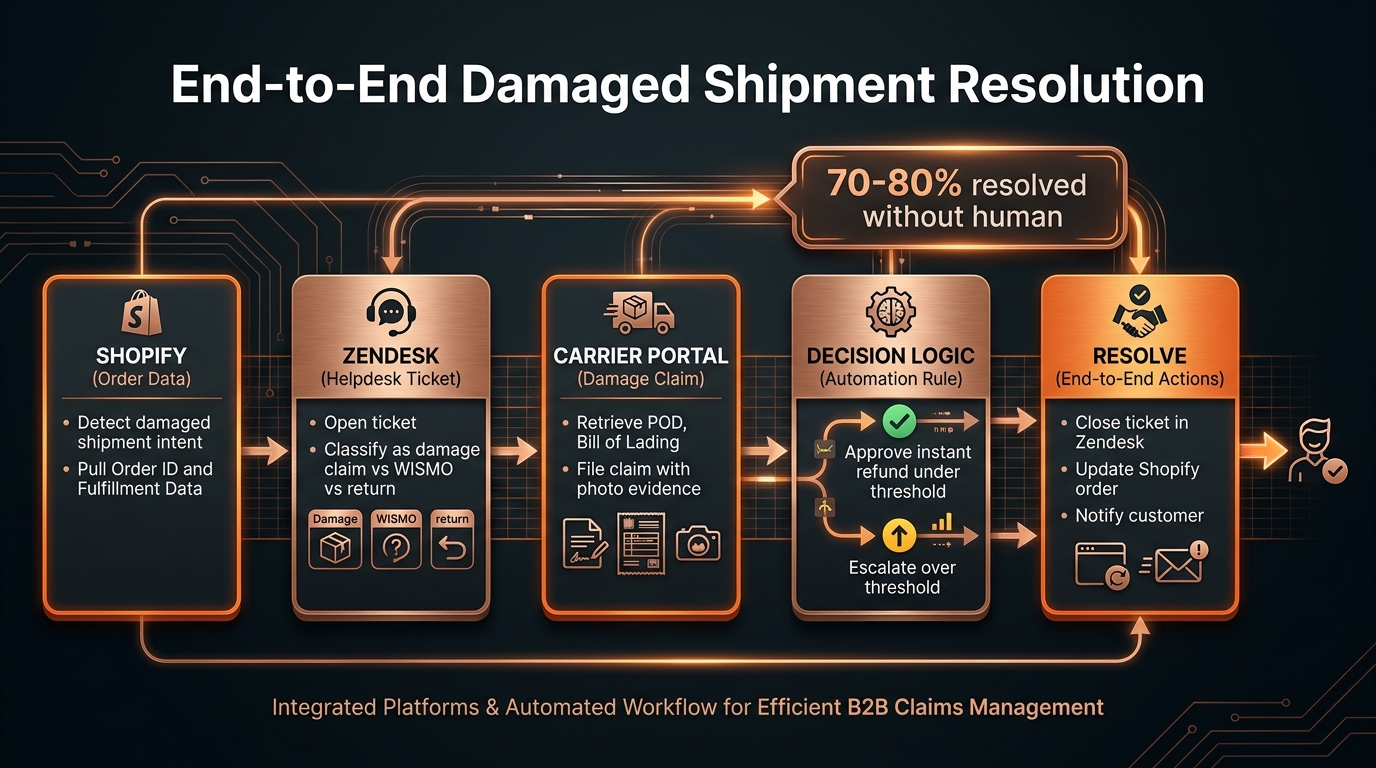
How CorePiper Resolves a Damaged-Shipment Ticket End-to-End (Across Shopify + Zendesk + Carrier)
A product walkthrough showing how CorePiper's SOP-driven AI agent handles a damaged shipment ticket from first customer message to closed case — reading Shopify, Zendesk, and the carrier portal in a single automated workflow.
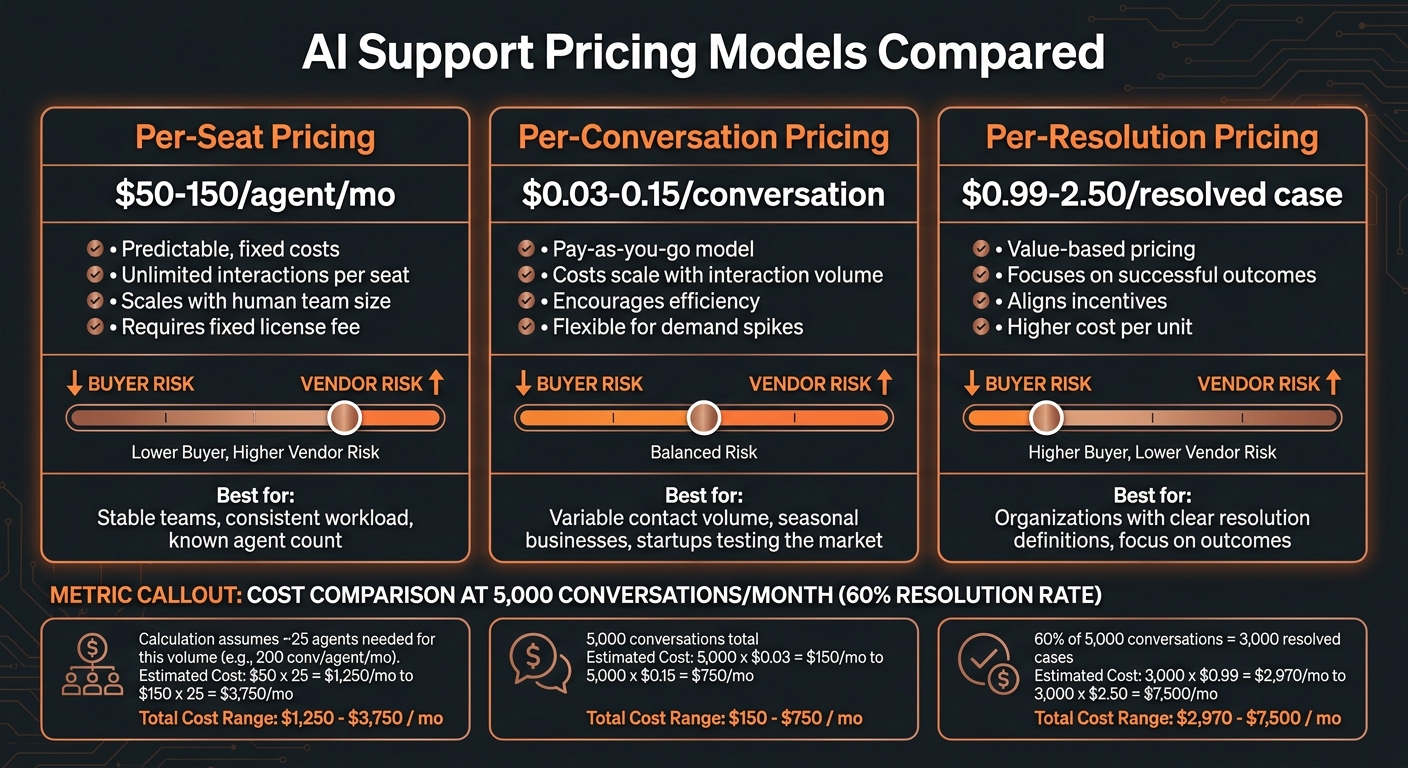
Per-Resolution vs. Per-Seat vs. Per-Conversation: How AI Support Pricing Actually Works
Intercom Fin charges $0.99 per outcome. Zendesk AI charges $1.50 per automated resolution. Gorgias AI charges $0.90–$1.00 per resolved conversation. This breakdown explains what you actually pay under each model — and which one aligns incentives correctly.
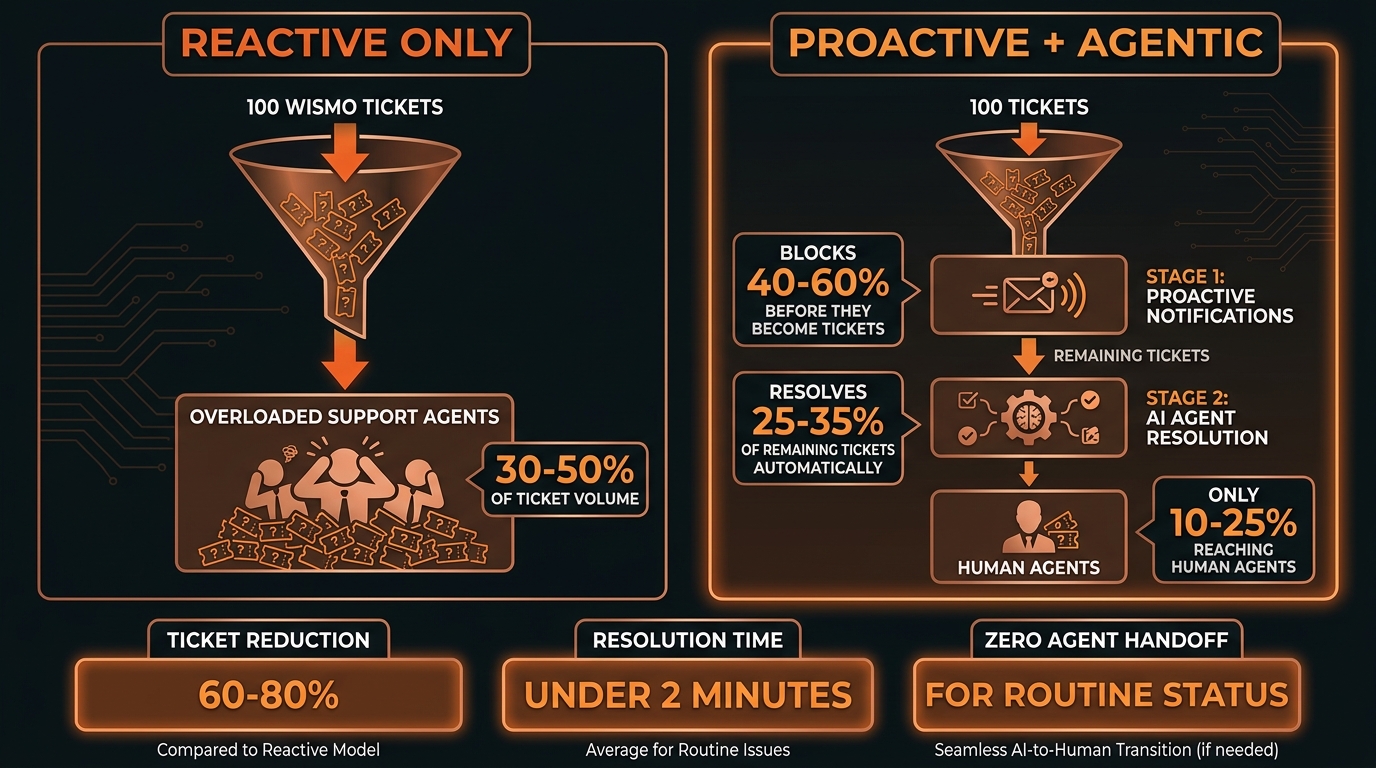
WISMO Automation: How to Cut 'Where Is My Order?' Tickets by 70%
WISMO tickets make up 30–50% of e-commerce support volume. A two-stage automation strategy — proactive notifications plus agentic resolution — cuts that volume by 60–80% without adding agents.
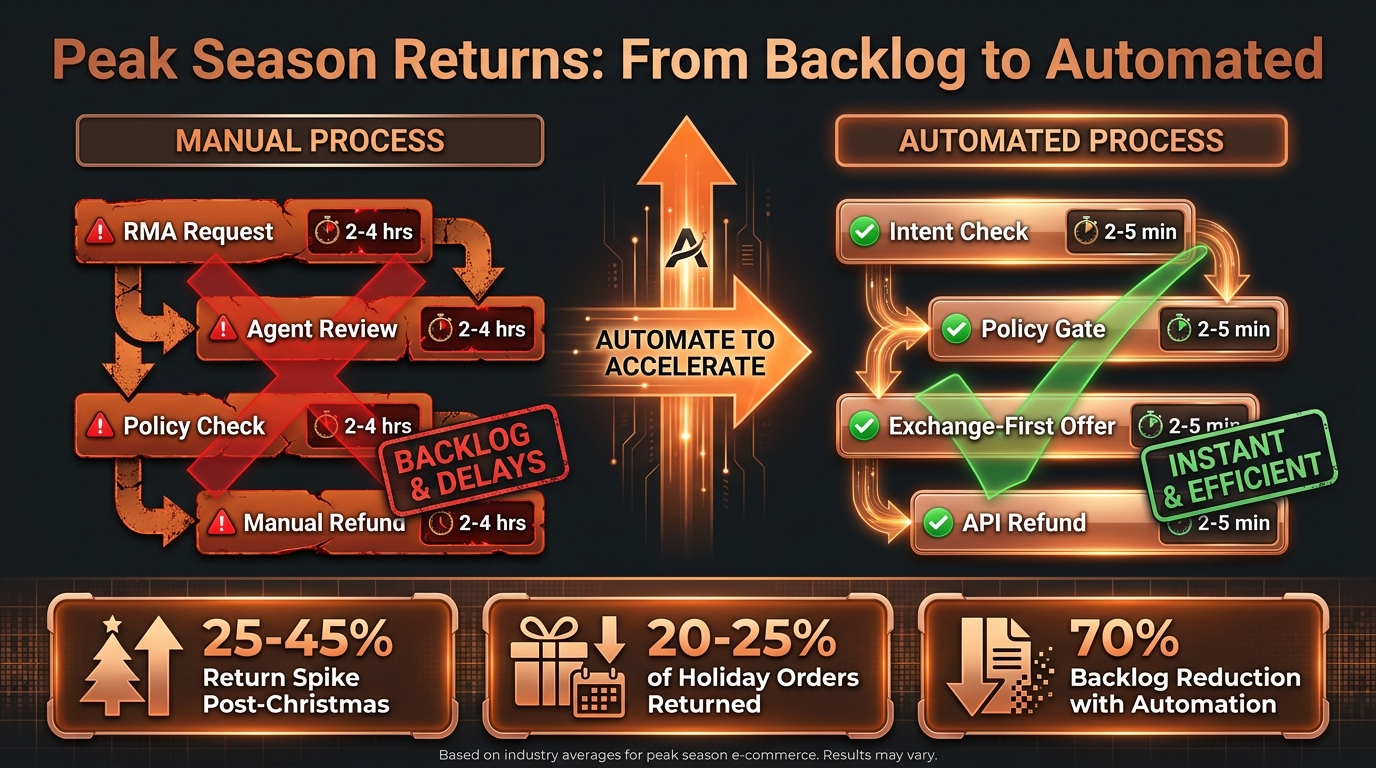
How to Handle Returns During Peak Season (Without a Refund Backlog)
Post-Christmas returns spike 25–45%. Here's how to automate your RMA flow, apply exchange-first logic, and clear the backlog without hiring extra agents for peak season.
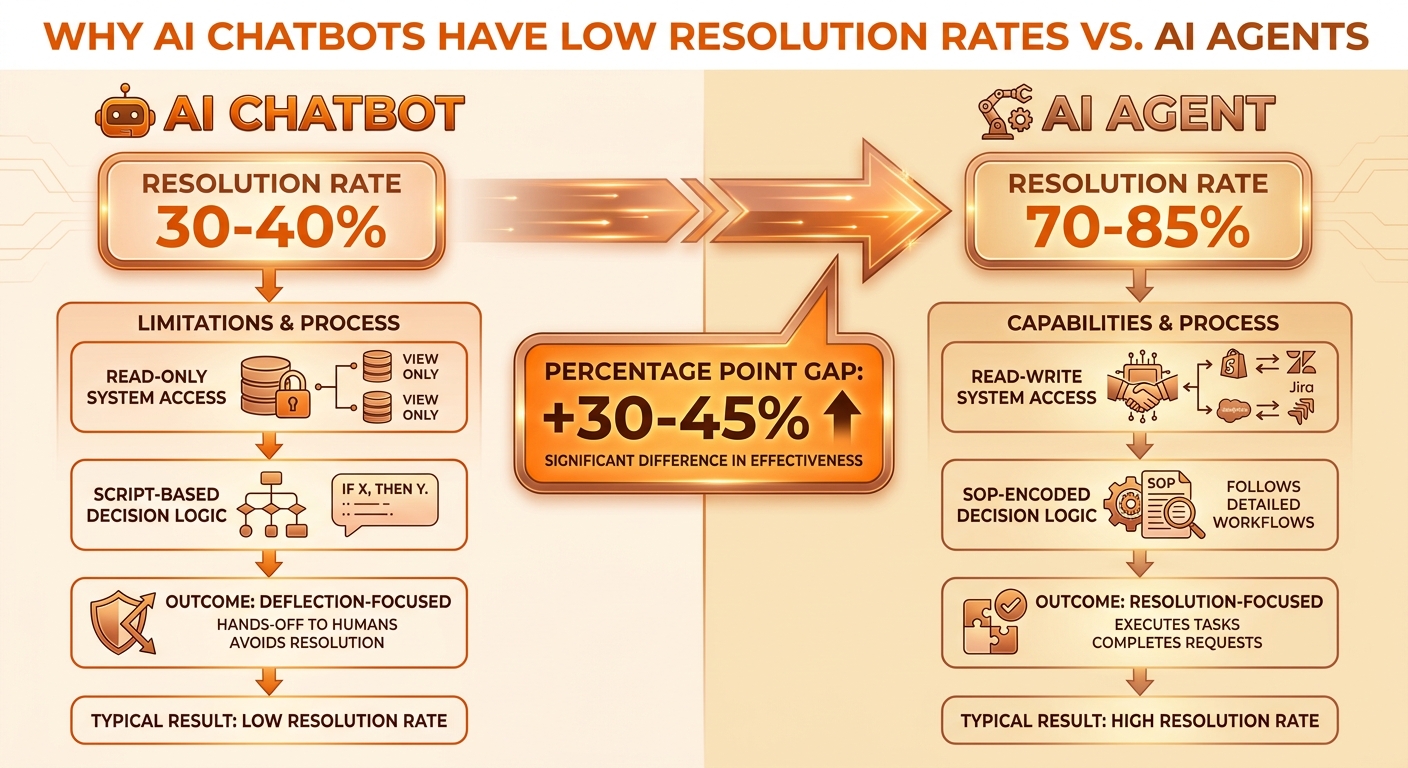
The Real Reason Your AI Chatbot Has a Low Resolution Rate
Low AI chatbot resolution rates are not caused by bad AI — they are caused by no system access and no SOPs. Here's what actually drives the gap between 30% and 80% resolution, and how to fix it.
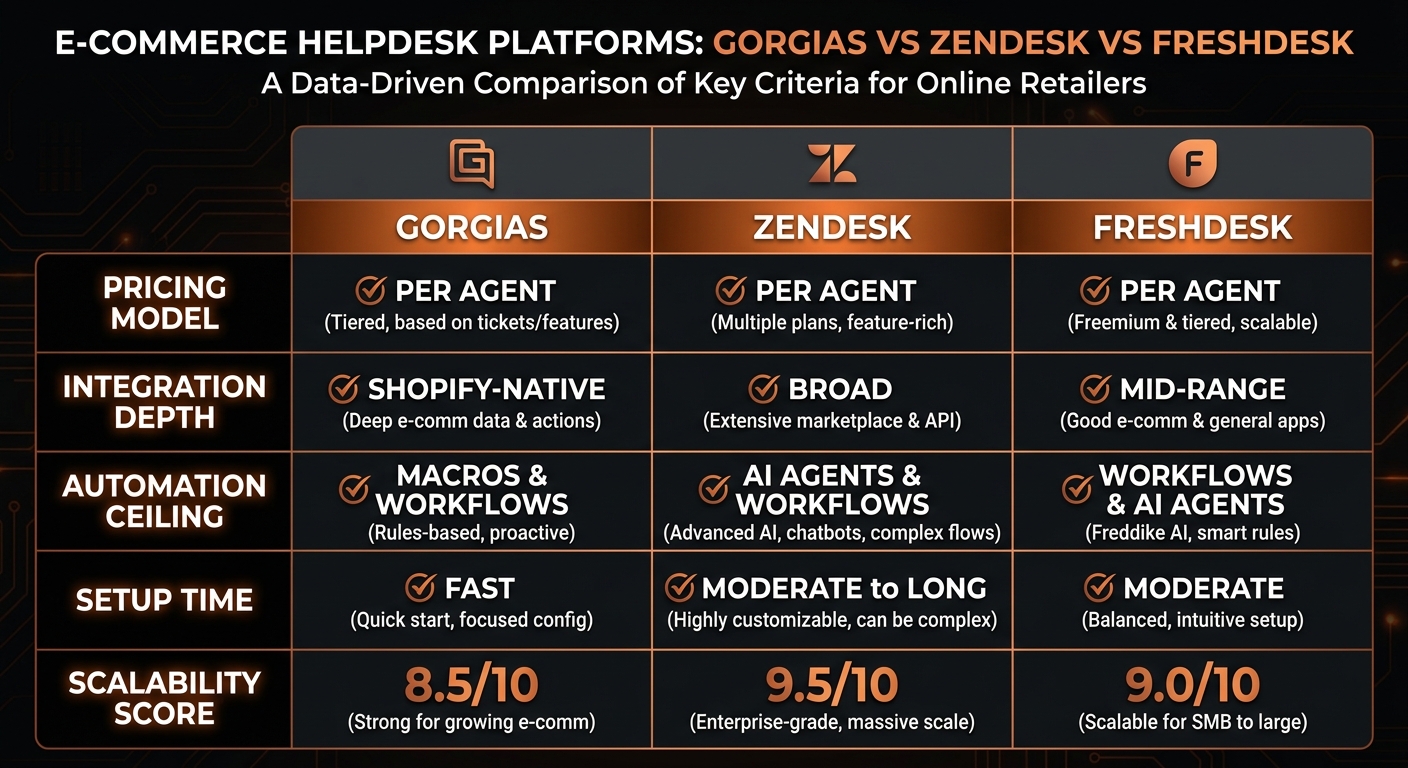
Gorgias vs. Zendesk vs. Freshdesk: Which Helpdesk Fits Your Store?
Comparing Gorgias, Zendesk, and Freshdesk for e-commerce support in 2026: pricing models, Shopify integration depth, AI automation ceiling, and setup complexity — so you can pick the right helpdesk without regretting it at 10,000 tickets a month.
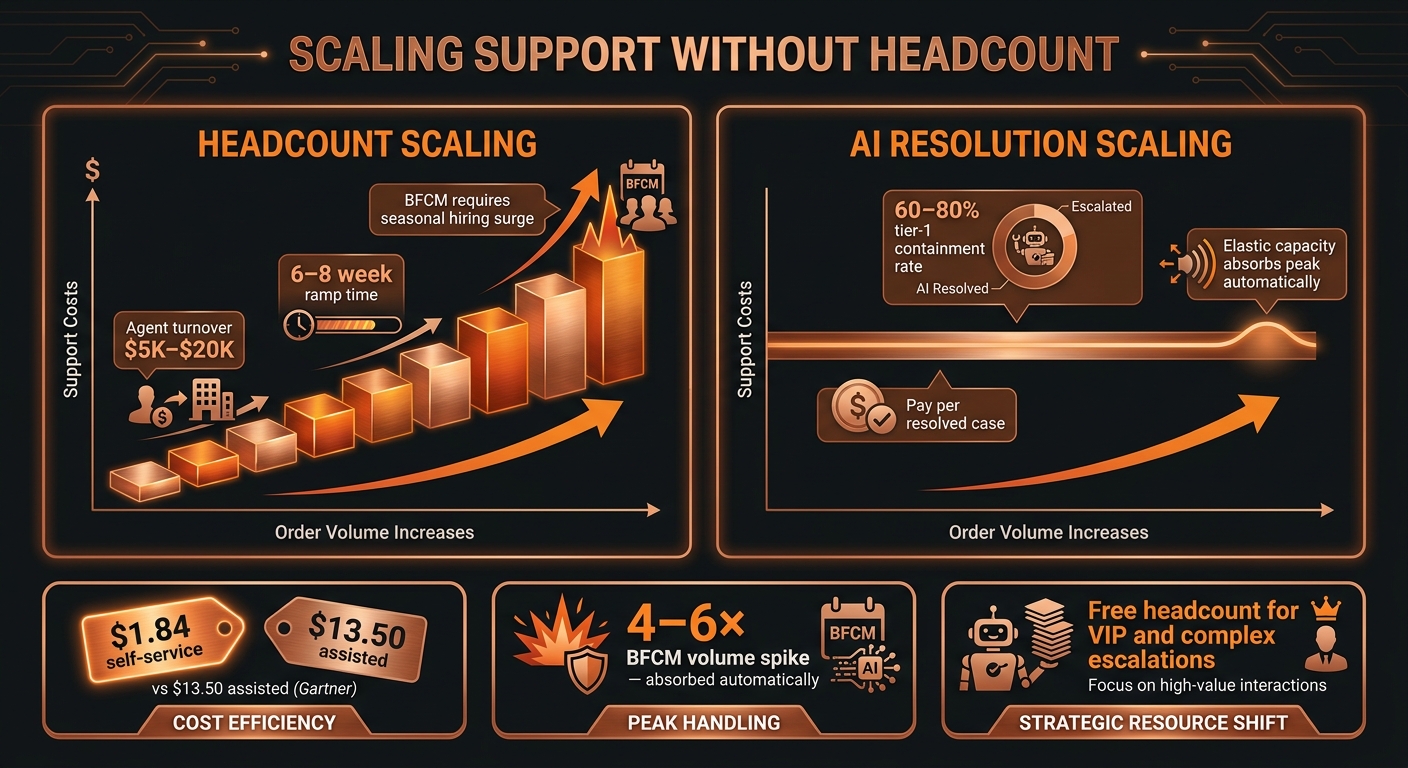
How to Scale E-commerce Support Without Hiring (BFCM-Proof Playbook)
Scale e-commerce customer support without adding headcount — even through BFCM — by automating 60–80% of tier-1 tickets with agentic AI. Staffing math, BFCM prep checklist, and a step-by-step playbook for elastic capacity.
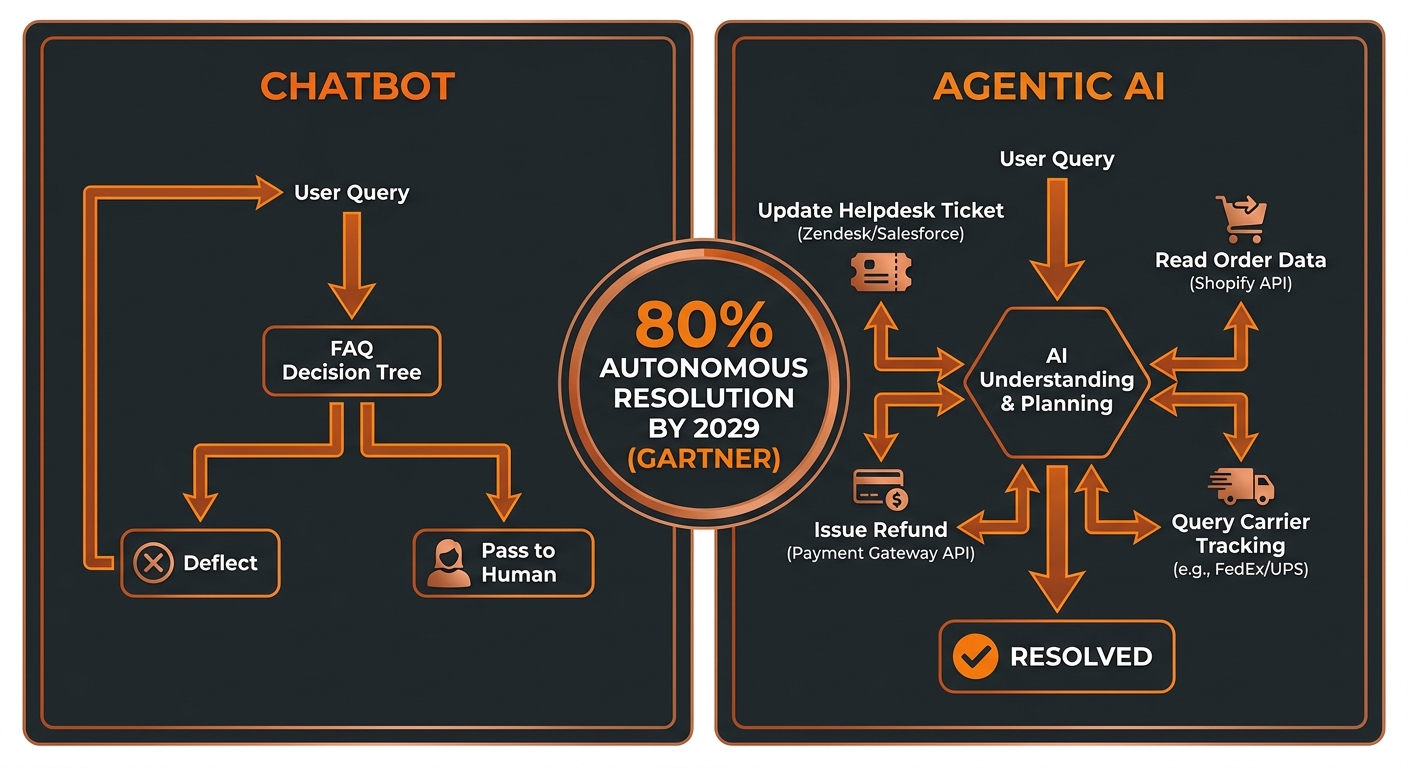
Agentic AI for Customer Support: What It Is and Why 2026 Is the Inflection Point
Agentic AI for customer support goes beyond chatbots — it takes autonomous actions across your systems to resolve tickets end-to-end. Learn what it is, how it differs from chatbots, what the Gartner data says, and what CX leaders should expect in 2026.
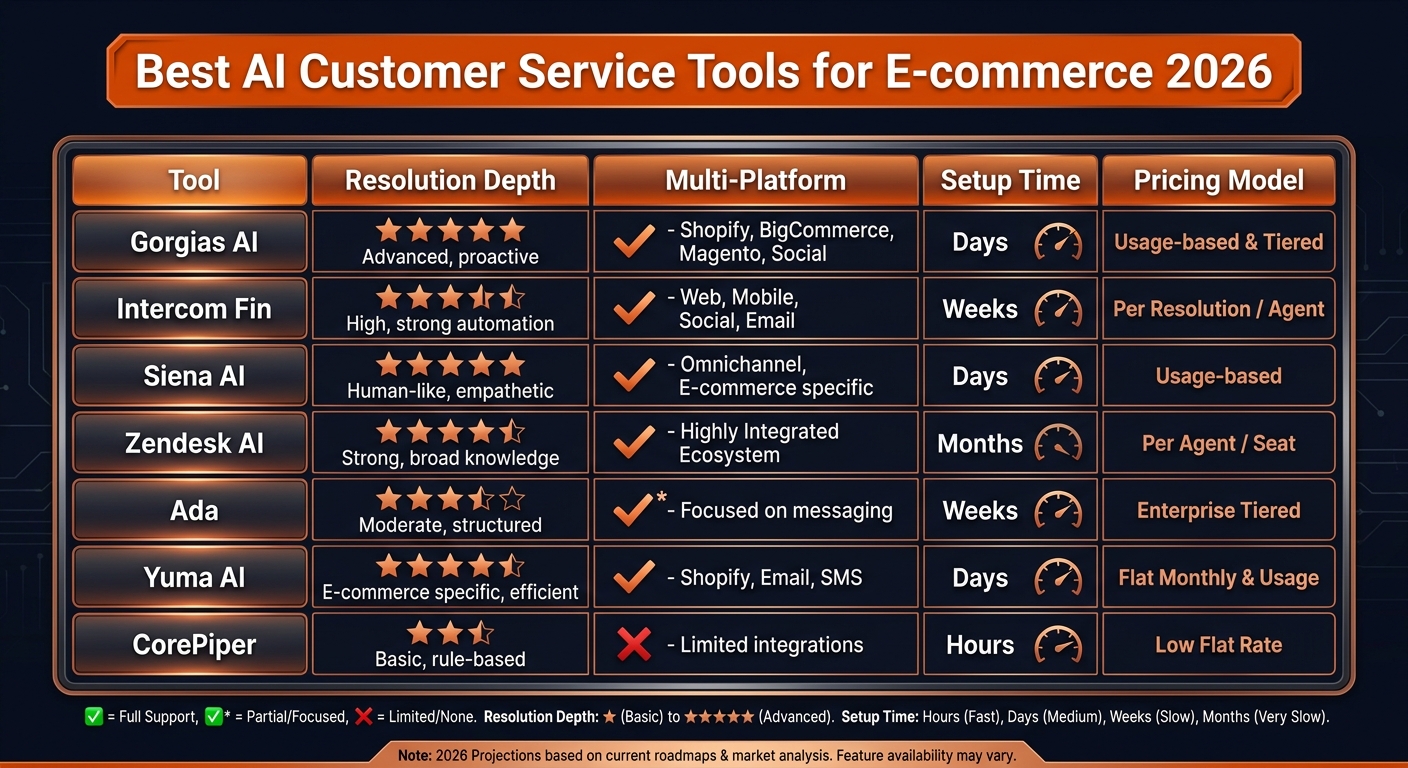
Best AI Customer Service Tools for E-commerce (2026): Full Comparison
The 8 best AI customer service tools for e-commerce in 2026 compared by resolution depth, platform coverage, pricing model, and setup time. Honest ratings for DTC brands and CX leaders choosing between Intercom Fin, Gorgias AI, Zendesk AI, Siena AI, Ada, Yuma AI, and CorePiper.
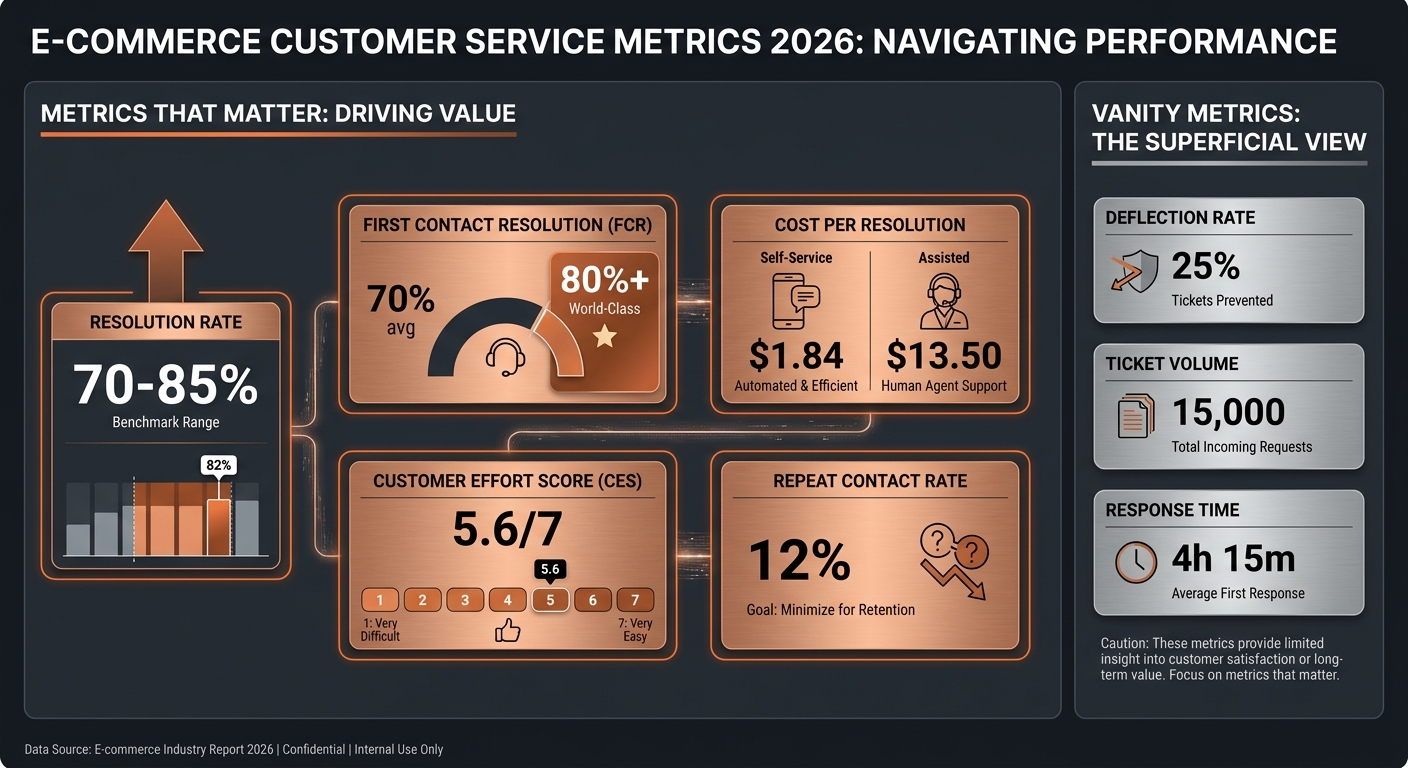
Customer Service Metrics That Actually Matter in 2026 (and the Vanity Ones to Drop)
Most e-commerce support teams track deflection rate and ticket volume — both vanity metrics. The 8 metrics that drive real outcomes are resolution rate, FCR, CSAT, CES, cost-per-resolution, AHT, repeat contact rate, and escalation rate. Full breakdown with 2026 benchmarks.
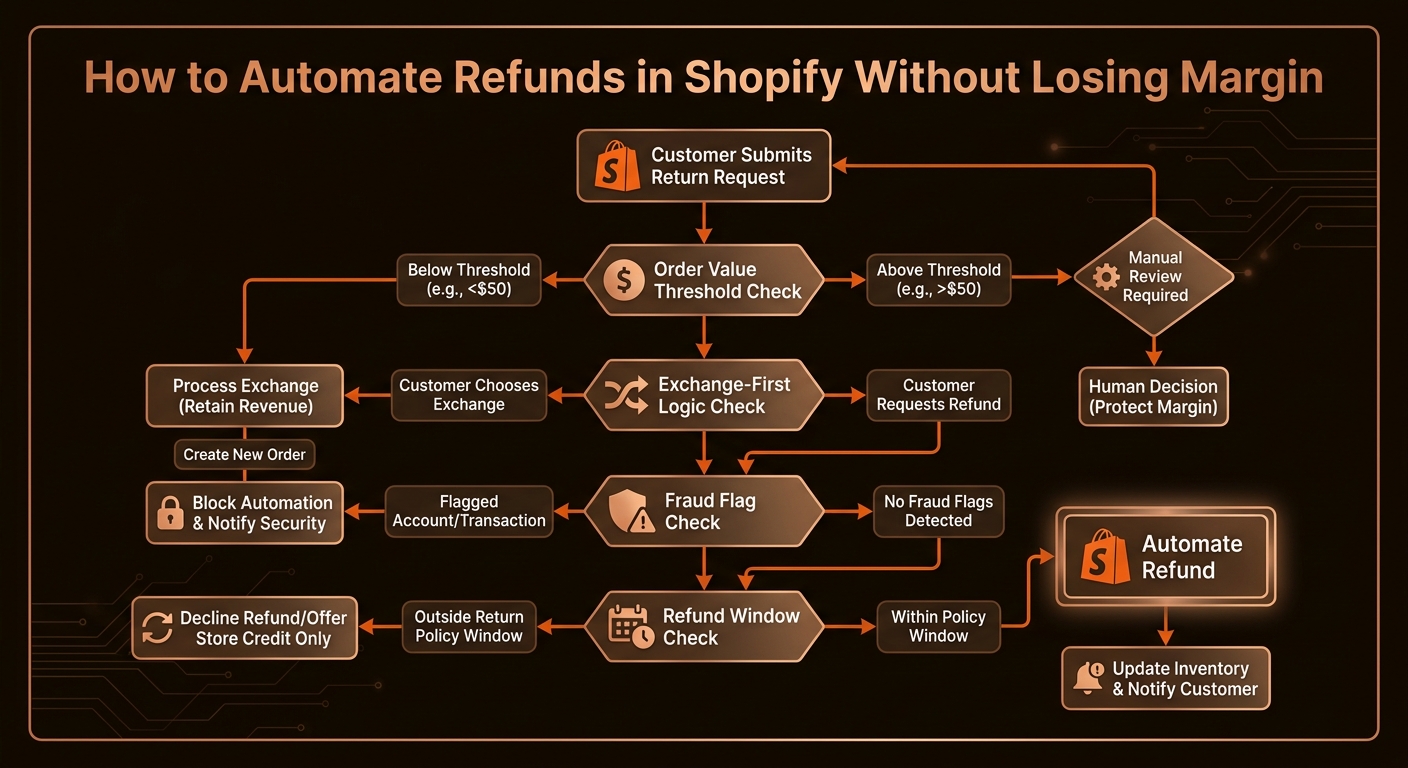
How to Automate Refunds in Shopify Without Losing Margin
Automate Shopify refunds end-to-end with guardrails: exchange-first logic, order-value thresholds, fraud checks, and refund window enforcement. A how-to guide covering API-level execution across Shopify and your helpdesk without approving every request.
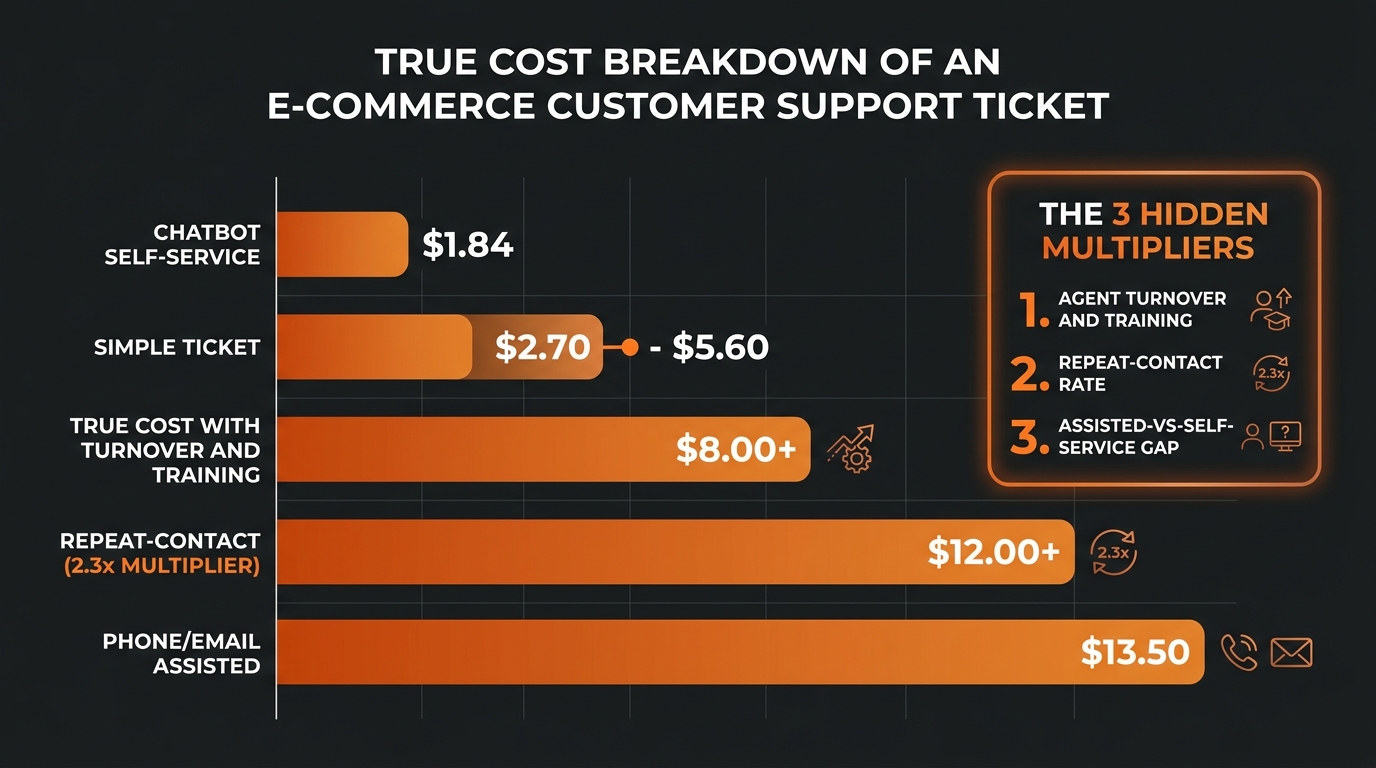
The True Cost of a Support Ticket in E-commerce (and the 3 Hidden Multipliers)
Published e-commerce ticket costs run $2.70–$5.60, but the true cost — including agent turnover, training, and repeat contacts — regularly exceeds $8. Gartner benchmarks assisted-channel contacts at $13.50. Full cost breakdown inside.
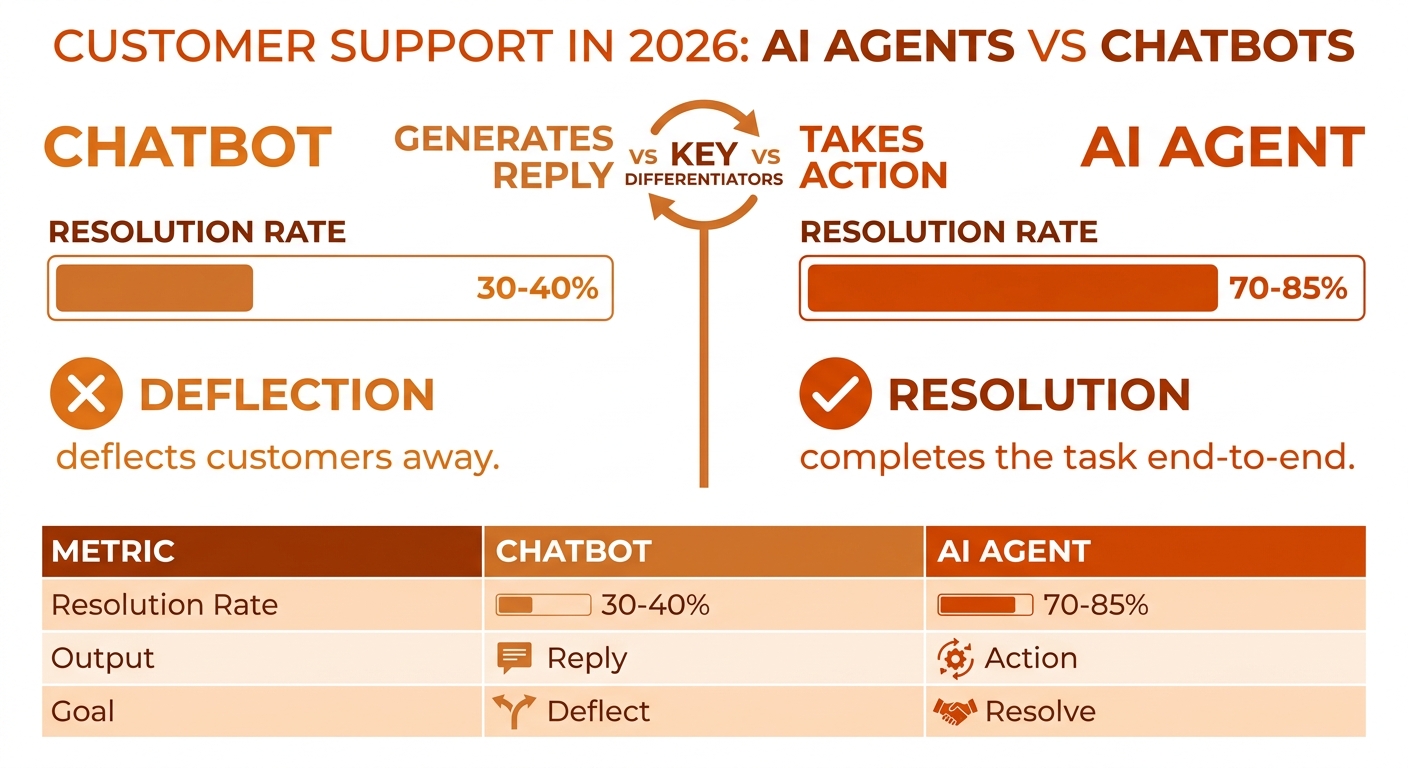
AI Agents vs. Chatbots: Why "Deflection" Is the Wrong Goal in 2026
AI agents resolve customer issues end-to-end; chatbots deflect them. The distinction matters because deflection metrics can look great while customers stay unhelped. Here's how to reframe your CX strategy around resolution rate.
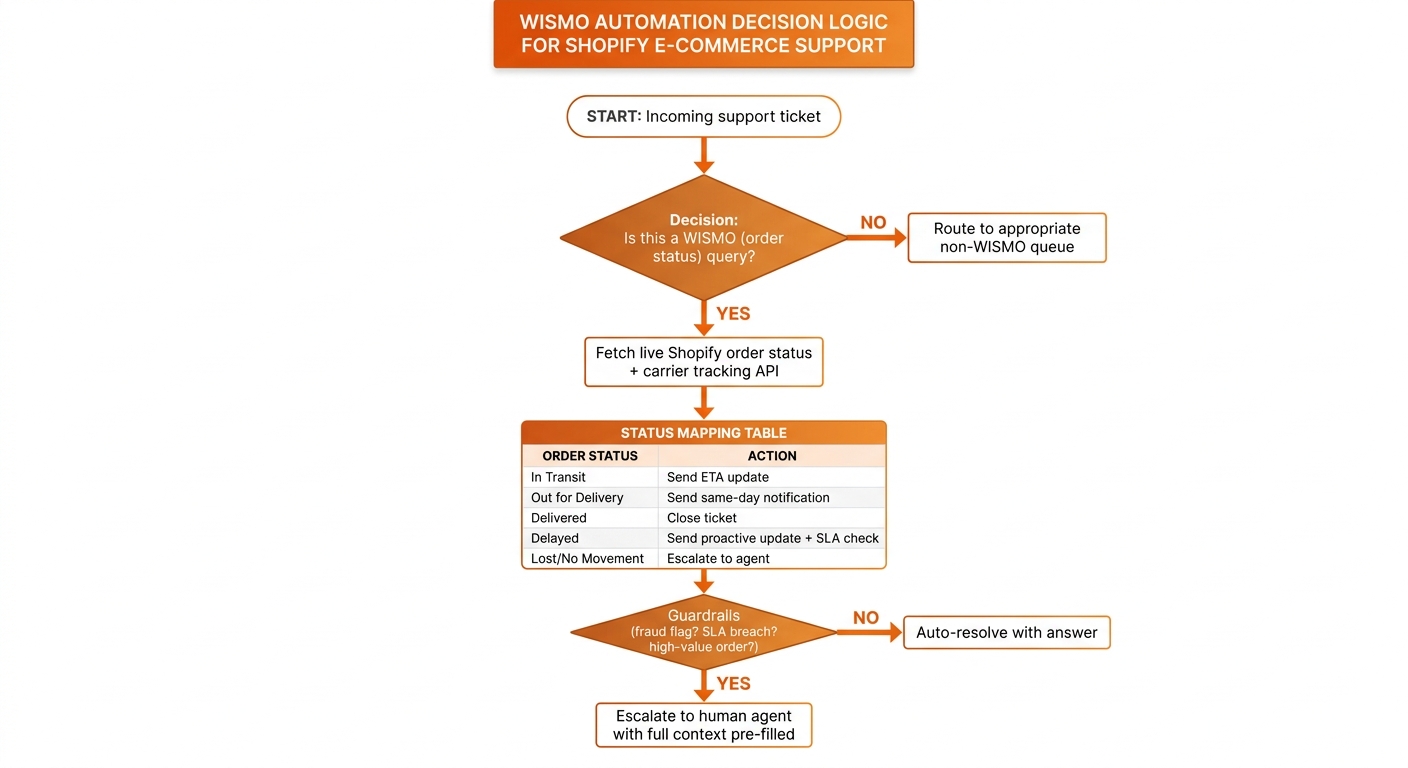
How to Automate 'Where Is My Order?' Tickets on Shopify (Decision Logic + Guardrails)
A step-by-step decision logic and guardrails framework for automating WISMO tickets on Shopify in 2026 — covering status filtering, live data lookup, status-to-answer mapping, fraud checks, and SLA-based escalation without replacing your helpdesk.
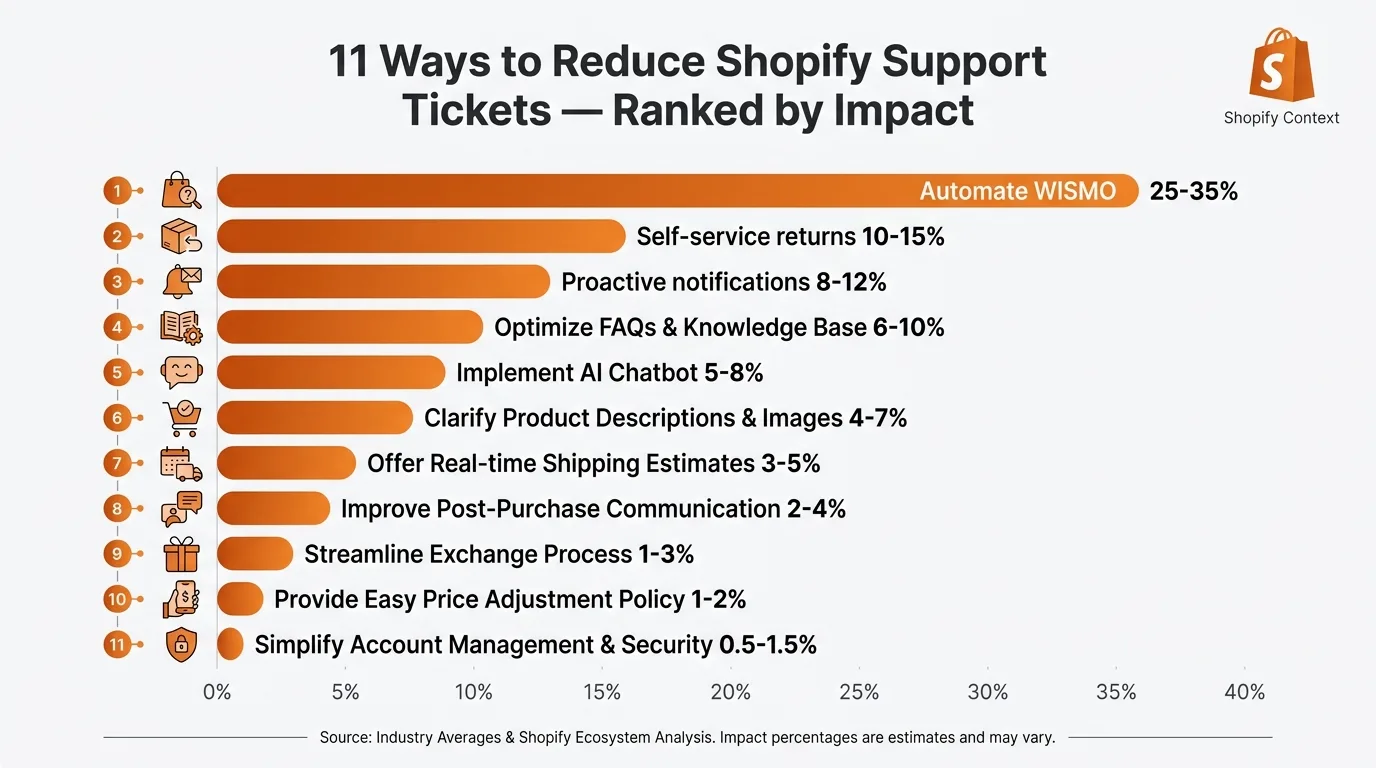
How to Reduce Shopify Support Tickets in 2026: 11 Strategies Ranked by Impact
The 11 highest-impact ways to reduce Shopify support tickets in 2026, ranked by the percentage of ticket volume each one removes. Covers WISMO automation, self-service returns, proactive notifications, and agentic resolution — with a clear automate-vs-deflect hierarchy and real benchmarks.
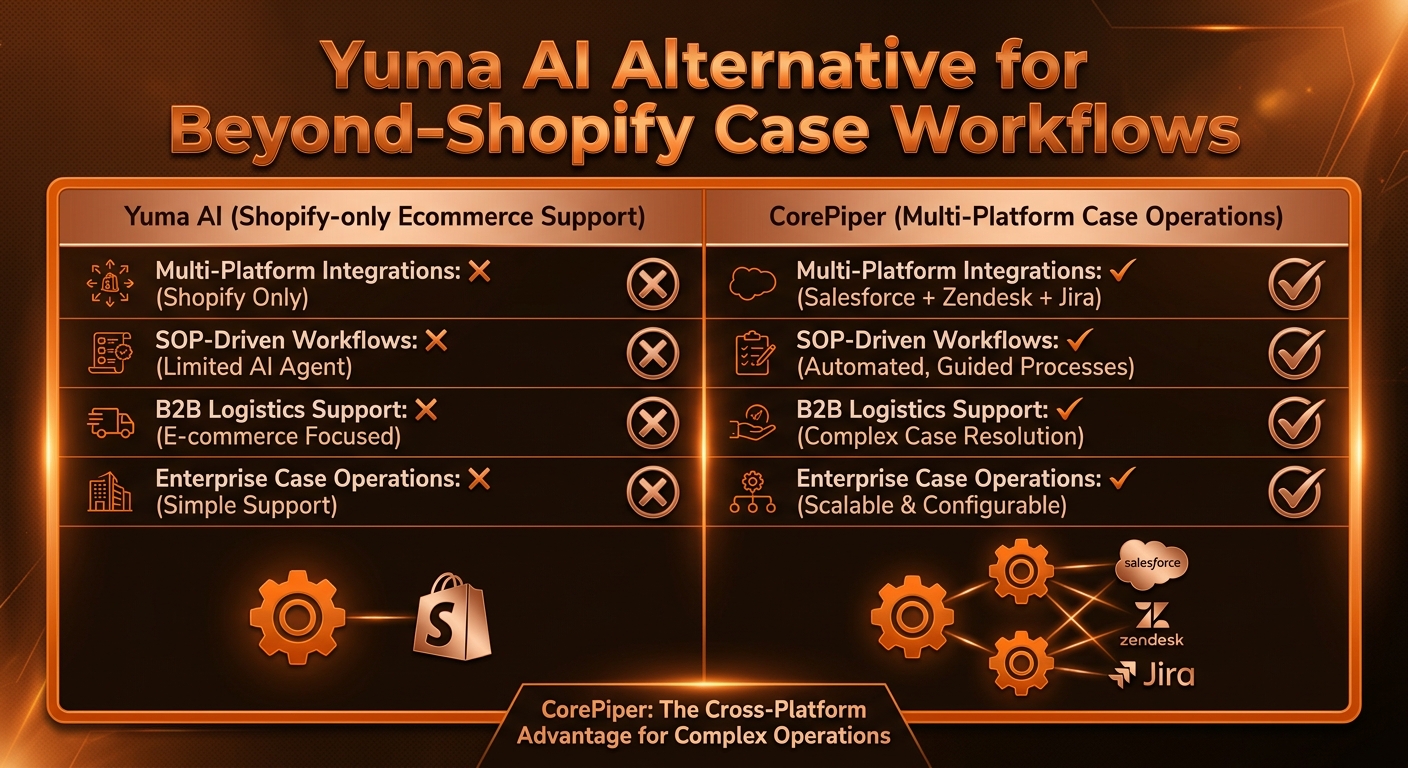
Yuma AI Alternative for Beyond-Shopify Case Workflows
Yuma AI automates Shopify merchant support well. But when your case ops span Salesforce, Zendesk, and Jira across logistics, 3PL, or B2B workflows, you need a different platform. Here is the honest comparison.
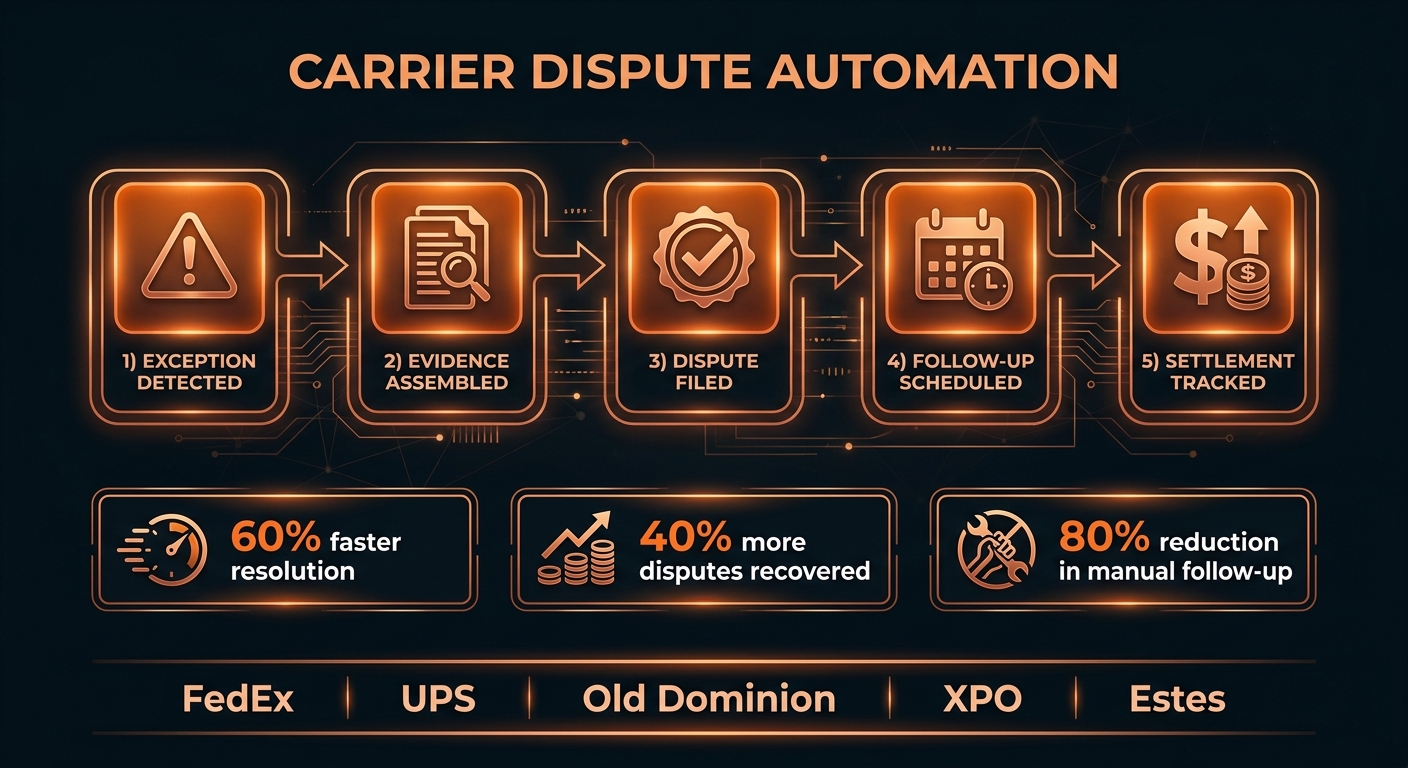
The Carrier Dispute Automation Guide for Shippers and 3PLs
Carrier disputes cost shippers millions in unrecovered freight losses every year. This guide covers every dispute type, the documentation required, the seven-stage workflow to automate it, and how to choose carrier dispute management software across FedEx, UPS, and LTL carriers.
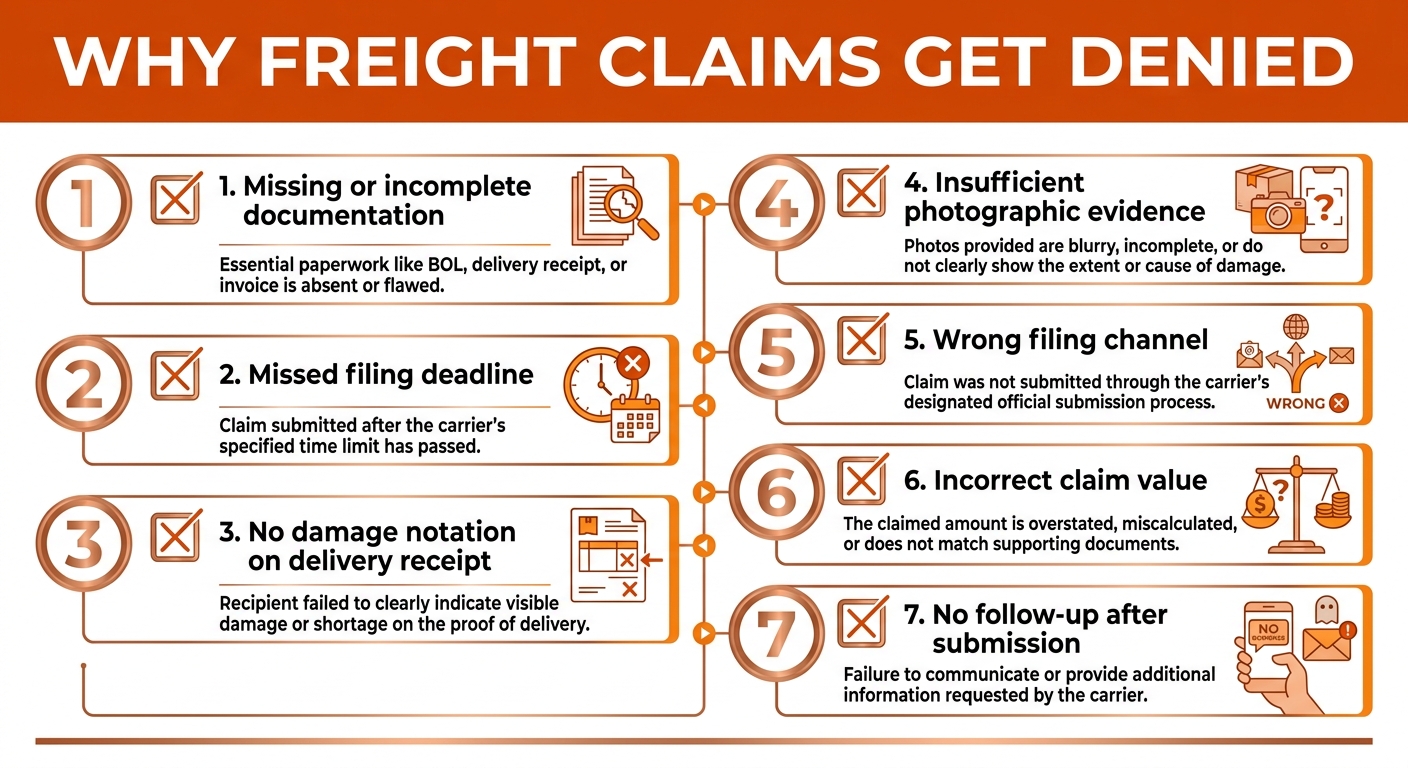
Why Freight Claims Get Denied (and the 7 Fixes That Work)
Freight claims are denied for 7 predictable, avoidable reasons. This guide breaks down each denial cause — documentation gaps, missed deadlines, missing POD notation — and gives the exact fix for each.
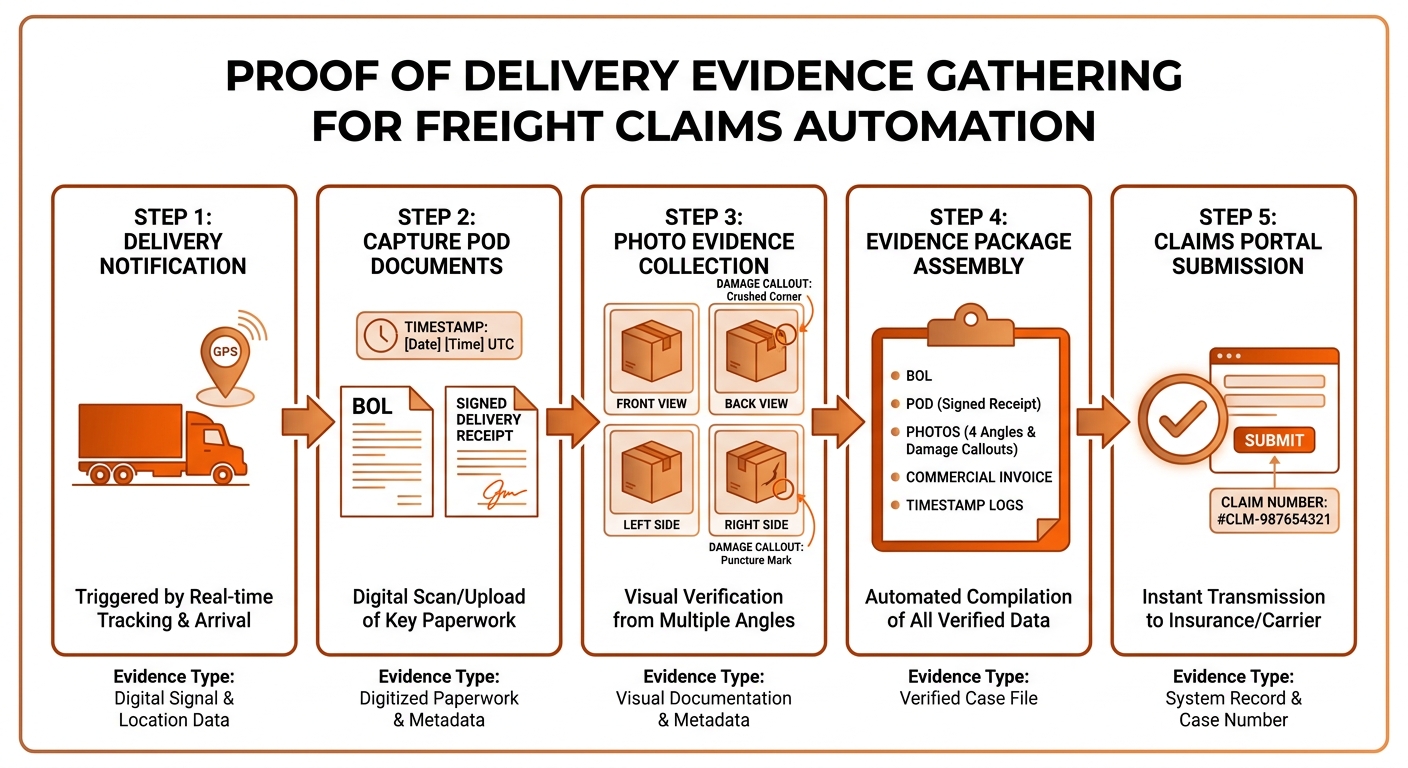
How to Automate Proof-of-Delivery Evidence Gathering for Claims
POD evidence quality determines whether a freight claim is paid or denied. This guide covers every document, photo, and data point your evidence package needs — and how SOP-driven AI collects it automatically at delivery time.
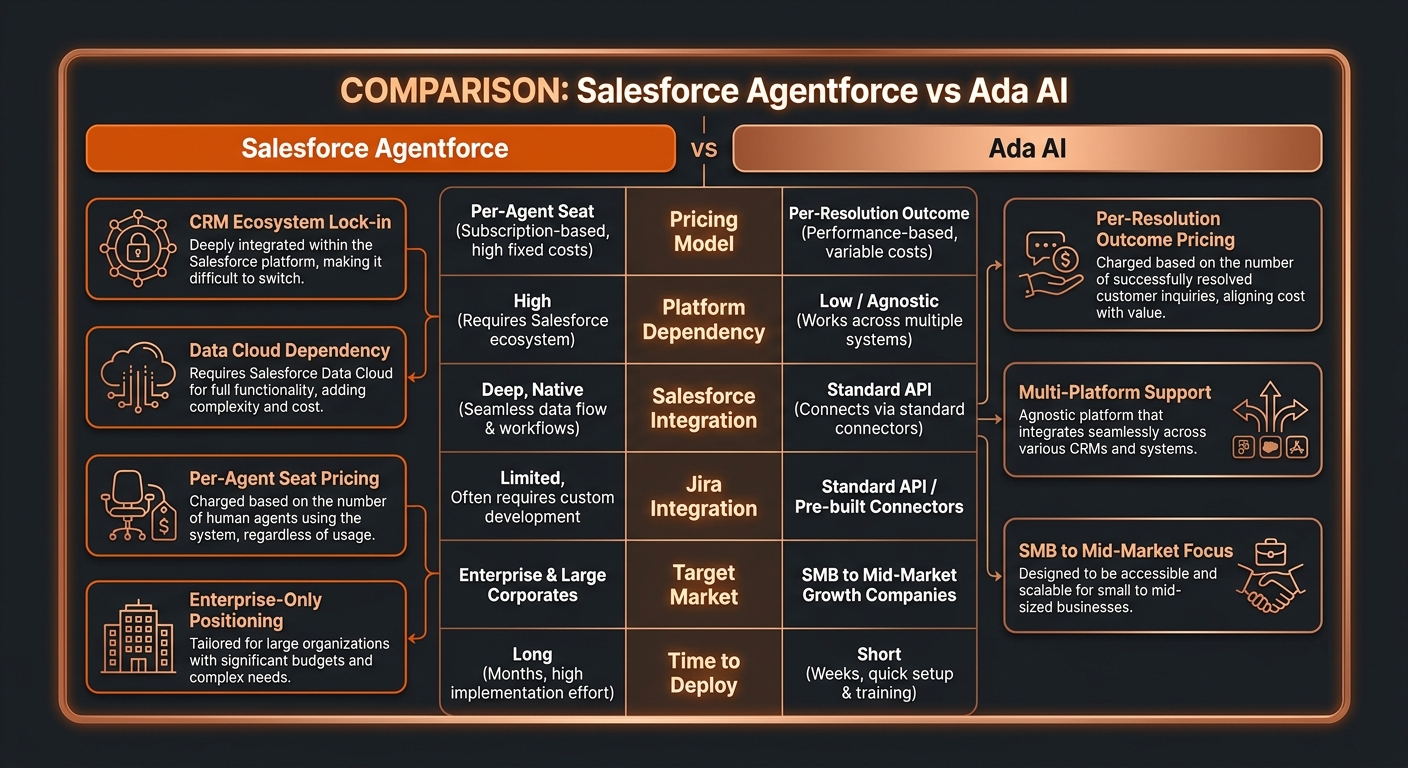
Salesforce Agentforce vs Ada AI: Neutral 2026 Comparison
Agentforce is the CRM-native AI agent for Salesforce-centric enterprises. Ada AI is the platform-agnostic resolution agent for teams running any helpdesk. This neutral 2026 comparison covers pricing, integrations, use-case fit, and where each falls short.
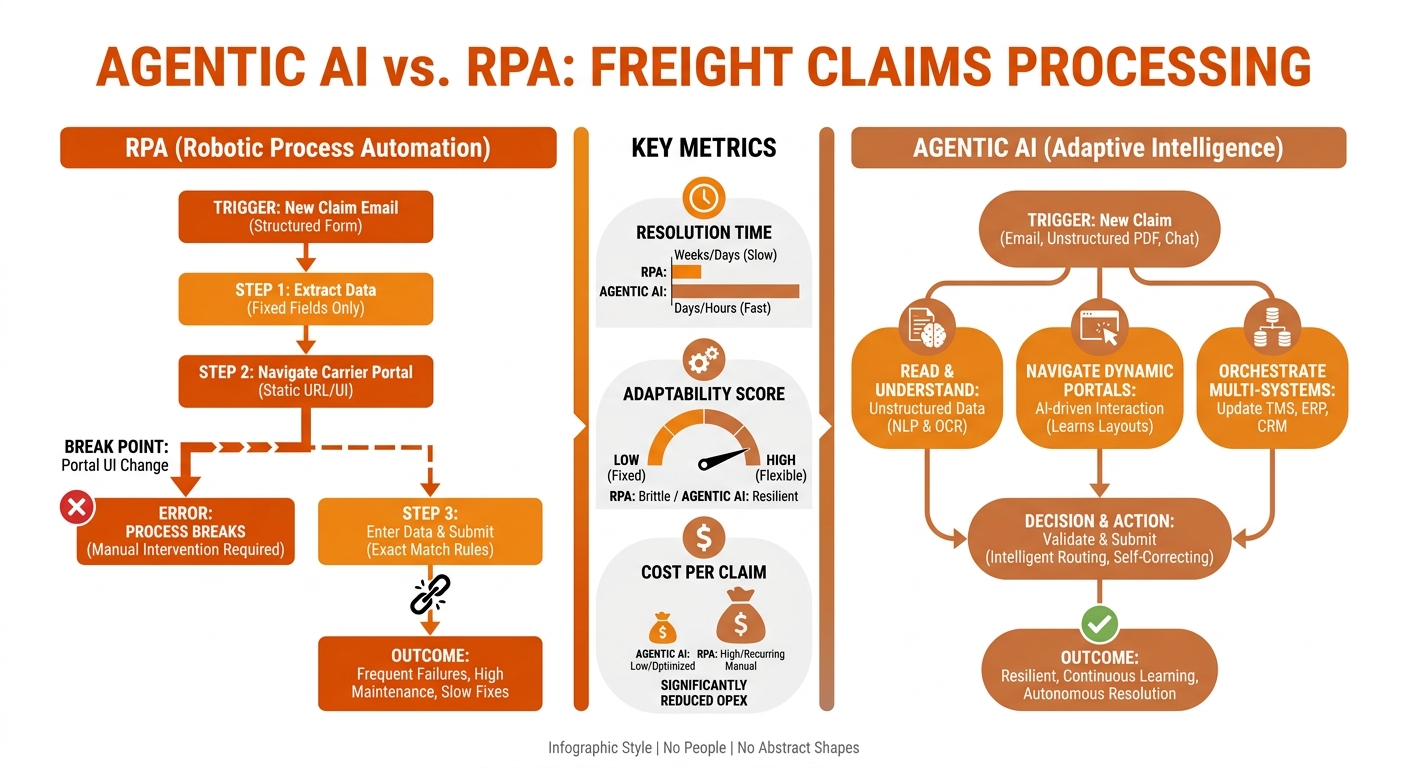
Agentic AI vs RPA for Claims Processing: Which Wins in 2026?
Agentic AI handles unstructured carrier portals, adaptive multi-step cases, and cross-system orchestration that RPA bots simply break on. Here is an honest 2026 comparison for claims teams.
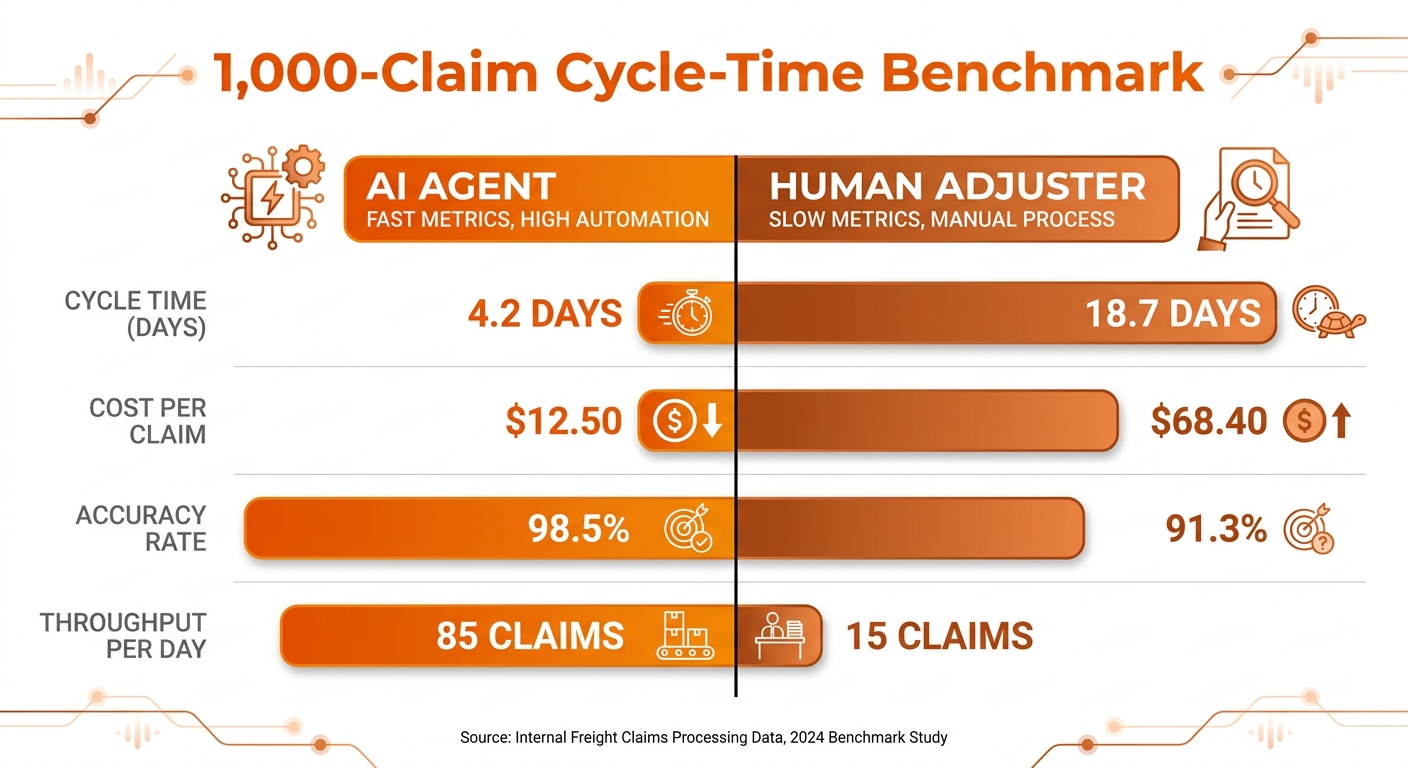
AI Agent vs Human Adjuster: 1,000-Claim Cycle-Time Benchmark
In a benchmark across 1,000 freight claims, AI agents completed full claims workflows in 4.2 days vs 18.7 days for human-only teams — a 4.5x cycle-time improvement, with first-submission completeness jumping from 71% to 96%.
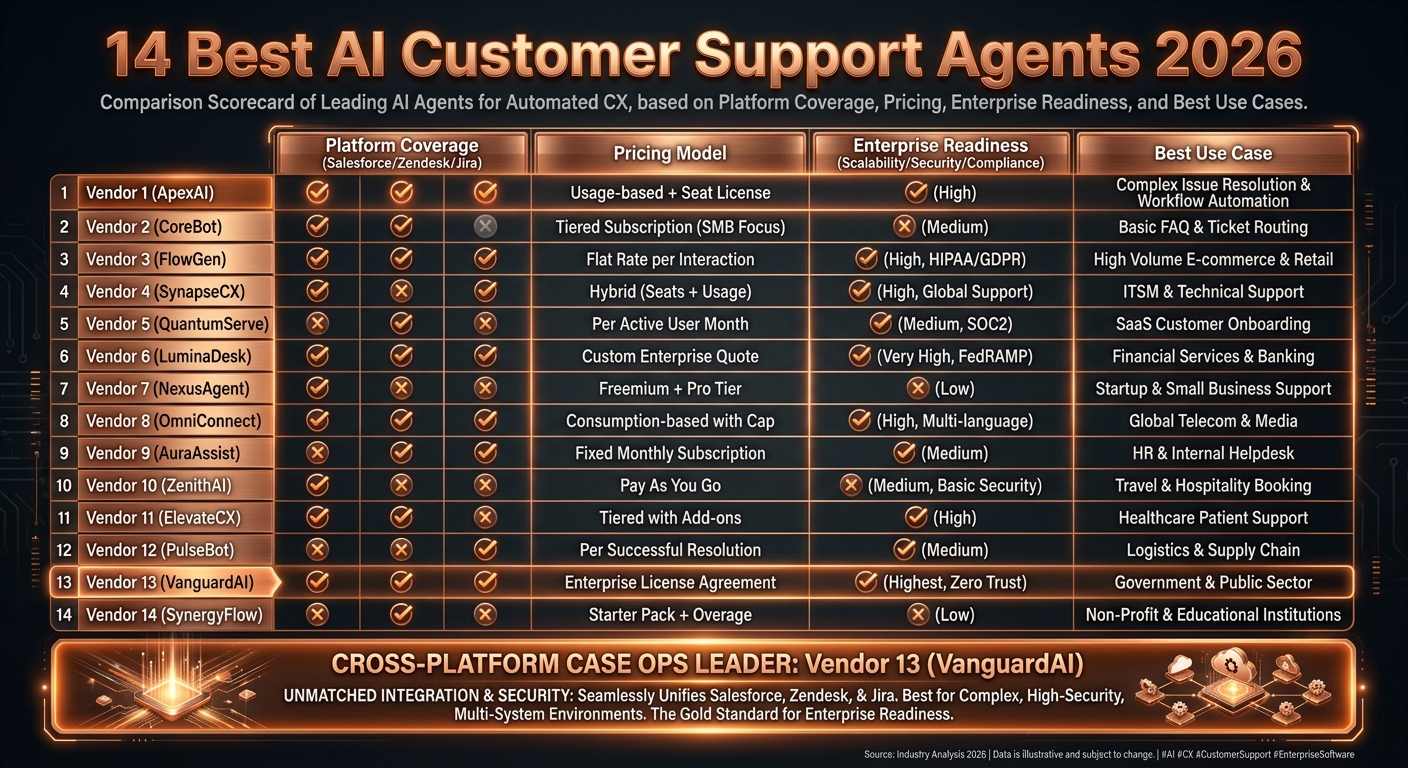
14 Best AI Agents for Customer Support (2026)
Compare 14 AI customer support agents for 2026 by coverage, pricing model and fit, from Zendesk AI and Intercom Fin to Agentforce and CorePiper.
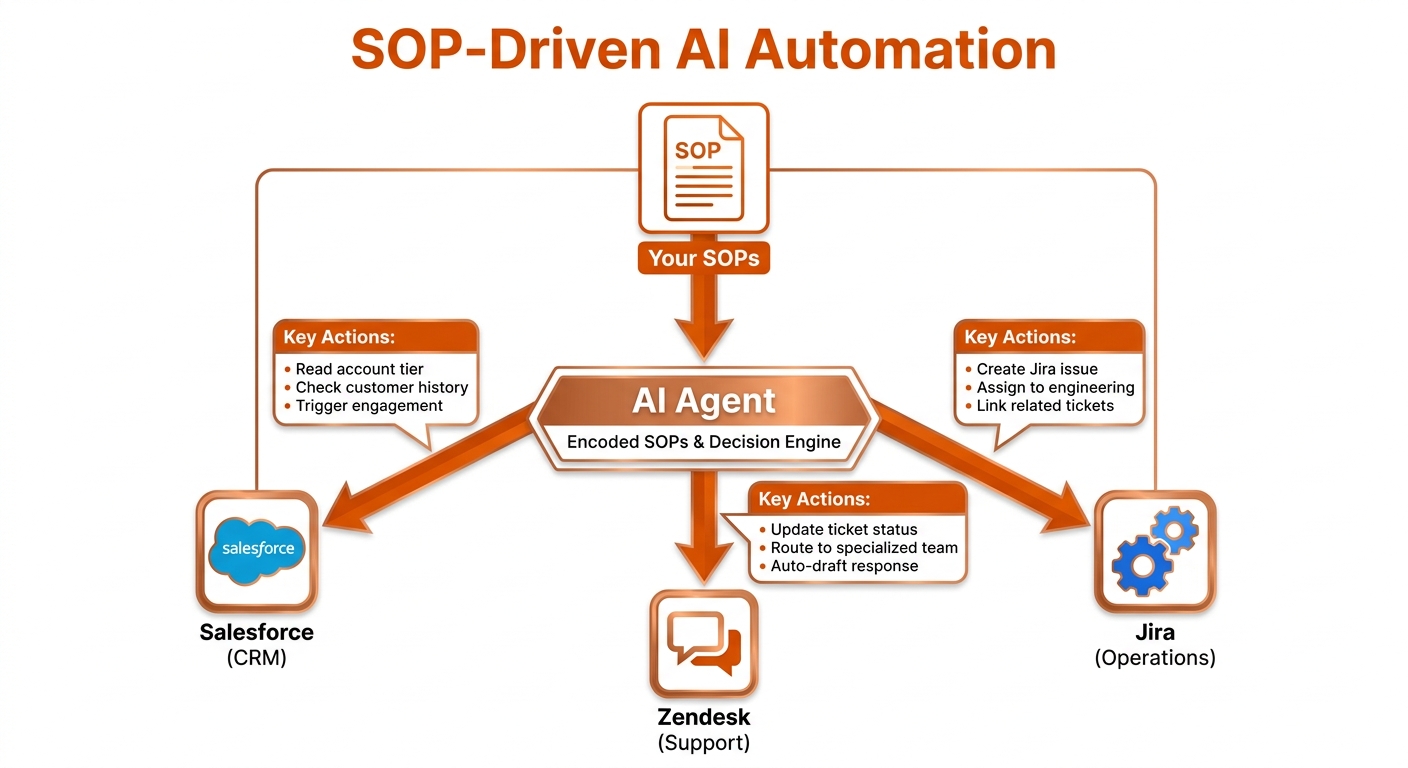
What Is SOP-Driven AI Automation?
SOP-driven AI automation encodes your team's standard operating procedures into AI agents that execute cross-platform workflows from day one — no training data, no custom code. Here's the complete definition and how it differs from traditional AI.
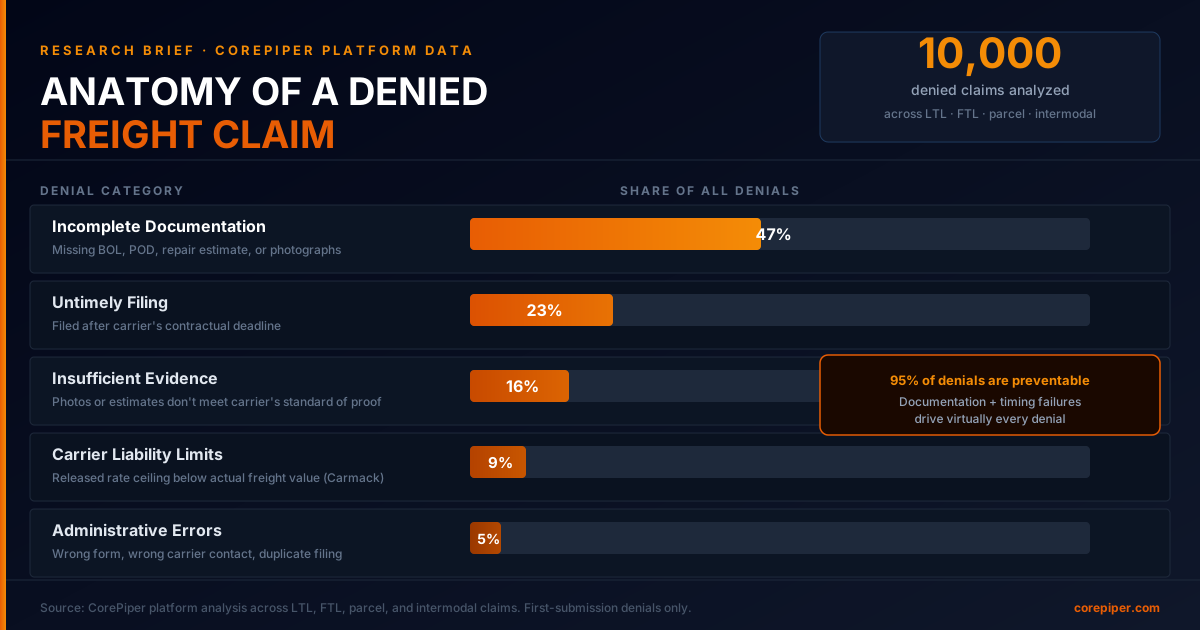
Anatomy of a Denied Claim: We Analyzed 10,000 Denials — Here's Why
Incomplete documentation causes 47% of all freight claim denials. Untimely filing causes another 23%. Together, four preventable errors account for 95% of denials — and every one of them is fixable with the right claims process.
Intercom Fin vs Ada AI: Honest 2026 Comparison
Intercom Fin costs $0.99/resolved conversation inside Intercom. Ada AI costs $1–$3.50/resolution plus a $30K+ platform fee as a standalone omnichannel platform. Here's the full honest comparison for 2026.
The Carmack Amendment Explained: What Every Claims Team Needs to Know
The Carmack Amendment (49 U.S.C. § 14706) governs carrier liability for freight loss and damage in interstate shipping. Learn the deadlines, limitations, and what your team must do to protect your rights.
2026 LTL Carrier Claims Scorecard: Denial Rates, Cycle Times, and Recovery %
How do Old Dominion, FedEx Freight, Saia, XPO, Estes, ABF, and R+L compare on LTL freight claims? This 2026 scorecard benchmarks denial rates, cycle times, recovery percentages, and portal quality across major LTL carriers.
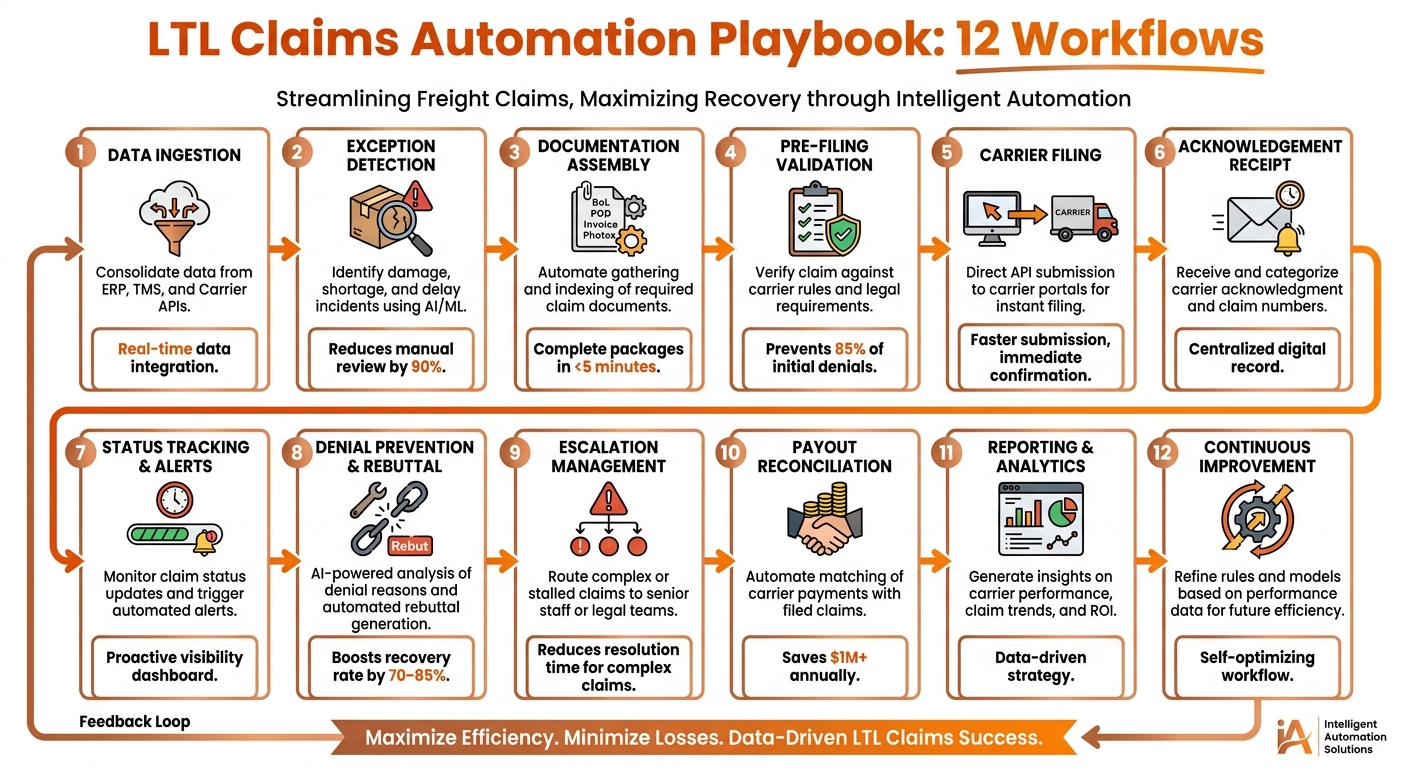
The LTL Claims Automation Playbook: 12 Workflows That Save $1M+
LTL claims automation can recover $1M+ annually by filing every eligible claim on time, with complete documentation, and a systematic follow-up cadence. This playbook covers 12 end-to-end workflows — from exception detection through payout reconciliation.
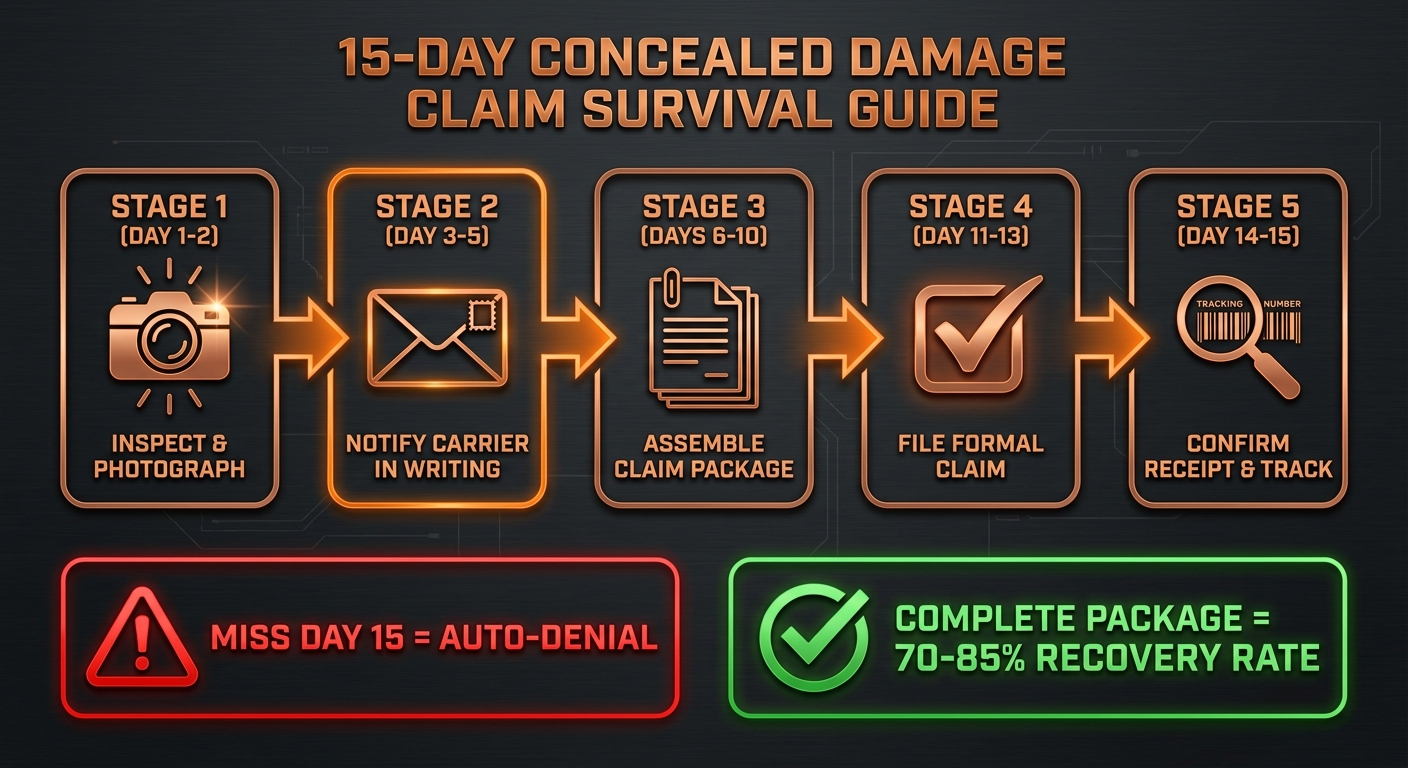
The Concealed Damage Claim 15-Day Survival Guide
A concealed damage claim must be filed within 5–21 days depending on the carrier or it is automatically denied. This step-by-step guide covers inspection, carrier notification, documentation assembly, and filing — with a reusable SOP template.
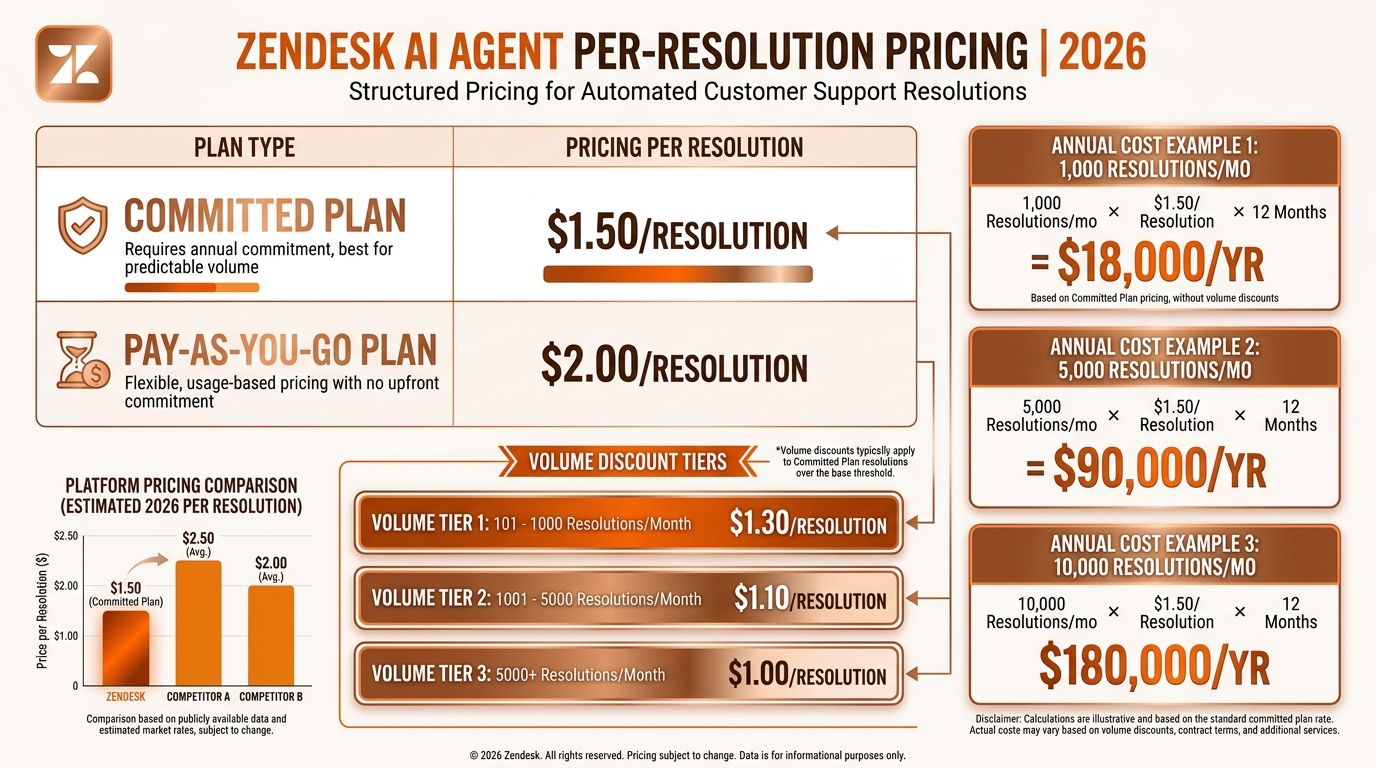
Zendesk AI Agent Pricing Per Resolution in 2026: Complete Guide
Zendesk AI agent pricing in 2026 charges $1.50–$2.00 per automated resolution plus a $50/agent/month Advanced AI add-on. A 20-agent team resolving 3,000 tickets/month realistically spends $6,000–$8,000/month all-in. Full tier breakdown, cost scenarios, and decision framework.
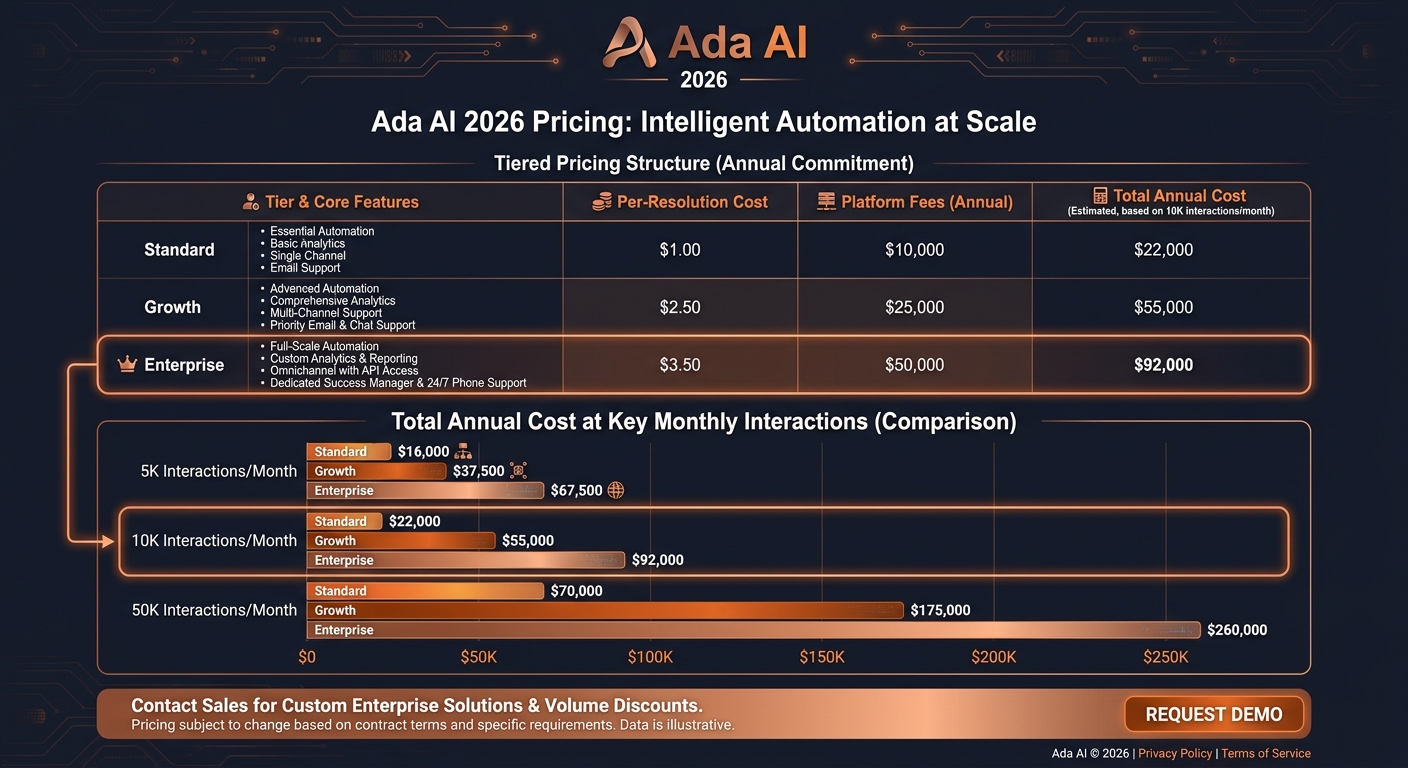
Ada AI Pricing in 2026: Full Cost Breakdown, Tiers, and What You Actually Pay
Ada AI pricing in 2026 starts at ~$30K/year platform fee plus $1–$3.50 per resolved interaction. Median deal is $70,001/year per Vendr data. Here's the full tier breakdown and what enterprise buyers actually pay.

Decagon vs Sierra: The Enterprise AI Agent Showdown (2026)
Decagon and Sierra are the two best-funded independent enterprise AI agent platforms in 2026. This neutral comparison covers pricing, integrations, use-case fit, and where each falls short.
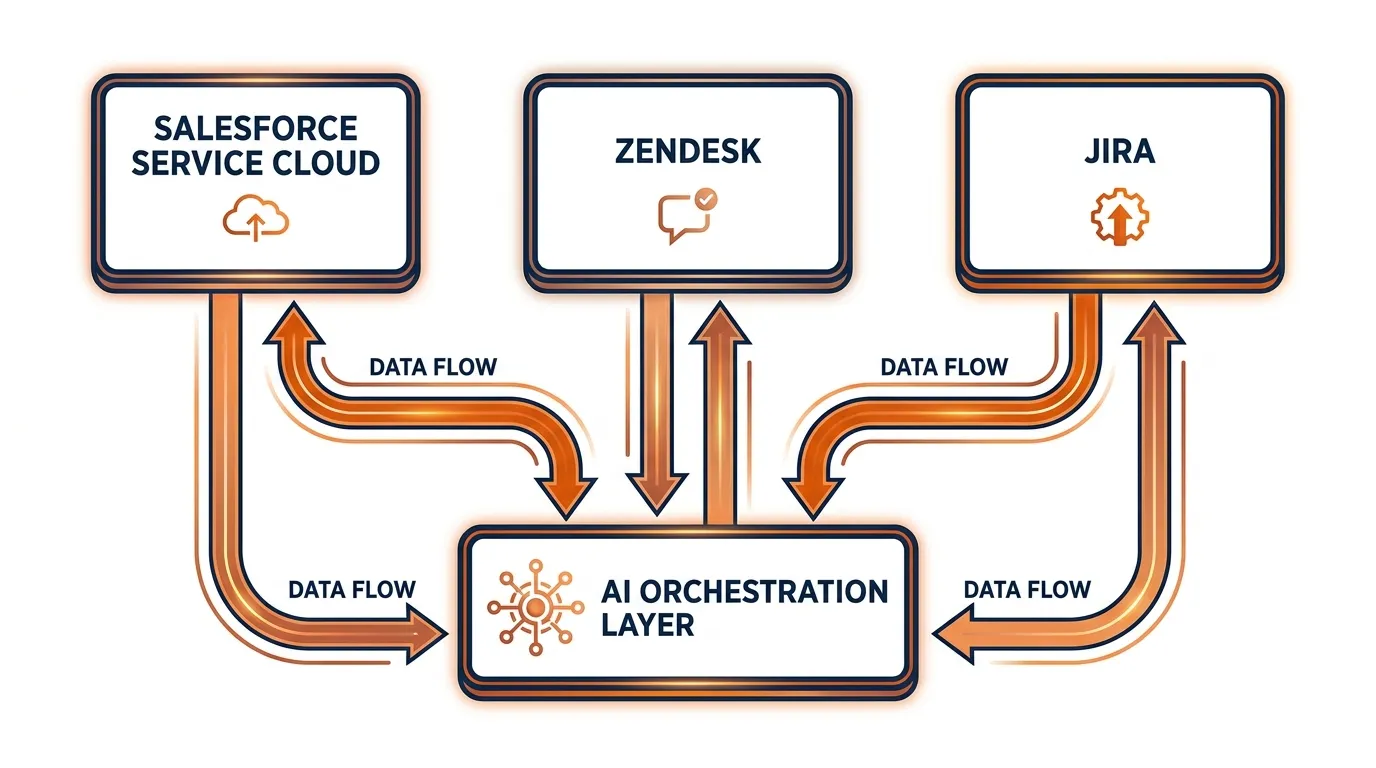
How to Orchestrate Salesforce, Zendesk, and Jira Together with AI
Connect Salesforce, Zendesk, and Jira through a single SOP-driven AI agent layer — no custom middleware, no brittle iPaaS flows. Here is the cross-platform orchestration approach that keeps case context intact across all three platforms.
![How to Automate OS&D Claims Processing End-to-End [2026 Guide]](/blog/automate-os-and-d-claims-hero.webp)
How to Automate OS&D Claims Processing End-to-End [2026 Guide]
The 7-step workflow to automate OS&D claims across LTL, FTL, and parcel — covers exception detection, evidence gathering, carrier-specific filing, and payout tracking. With a documentation checklist and SOP template.
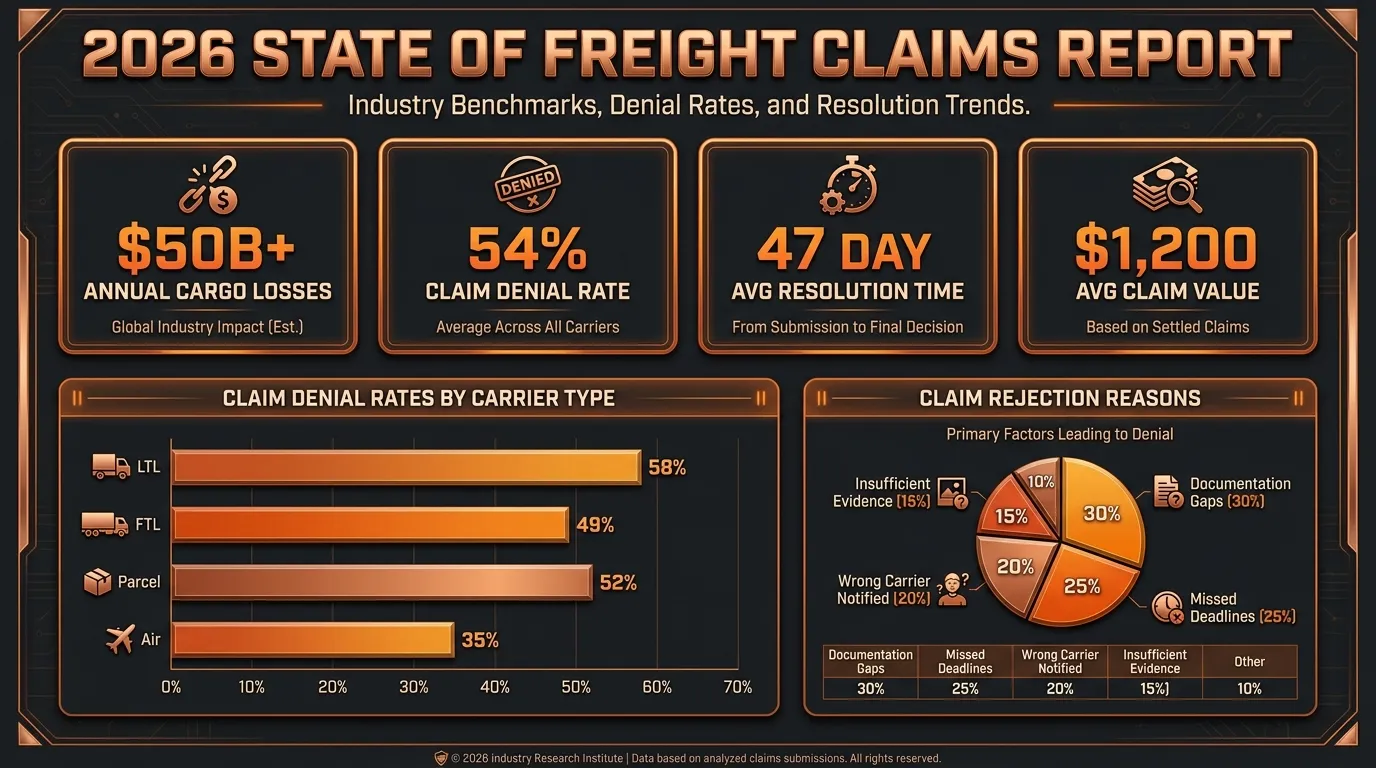
The 2026 State of Freight Claims Report
2026 freight claims benchmarks: denial rates, resolution times, and recovery rates by carrier type, so you can see money left on the table.
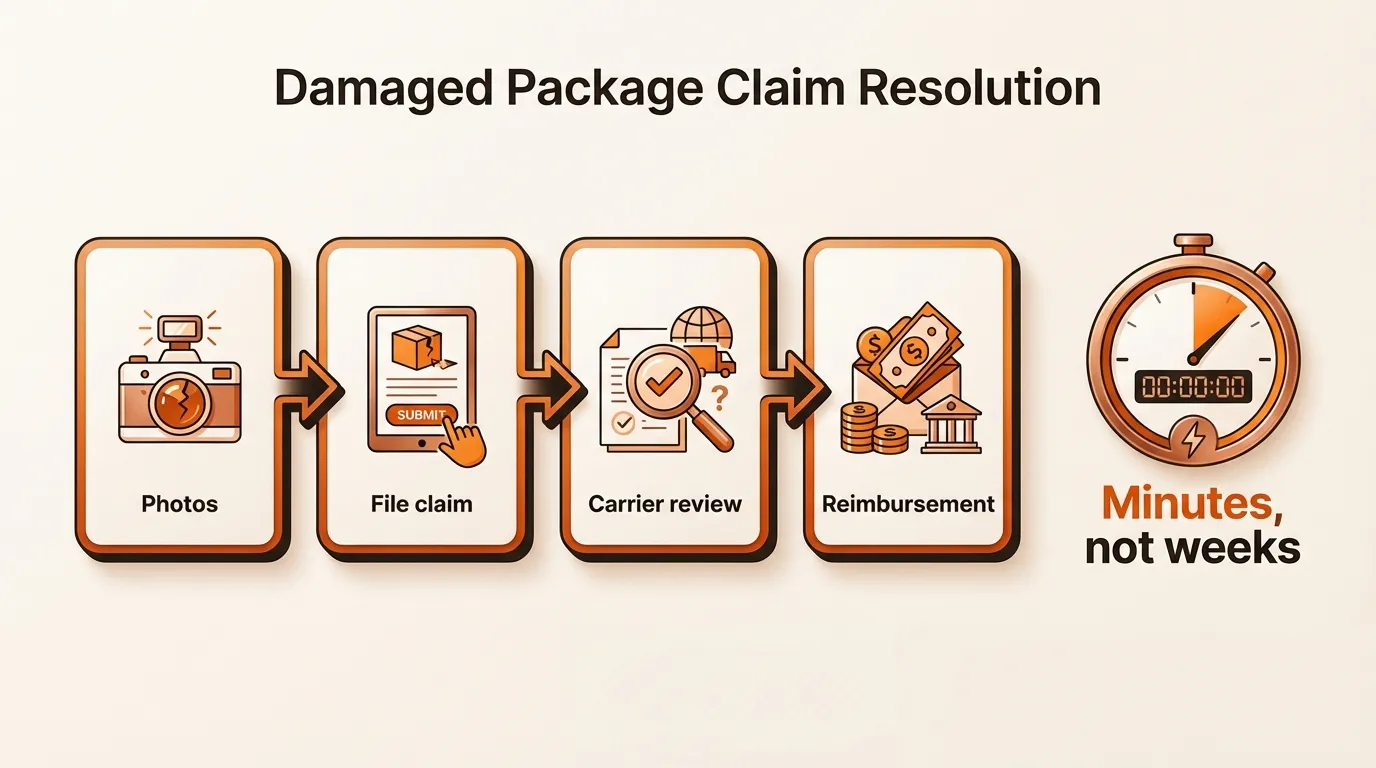
Damaged Package? How to Resolve Claims in Minutes, Not Weeks
Damaged package claim guide: immediate steps, photo requirements, carrier filing windows, reship vs refund decisions, and how automation collapses the timeline.
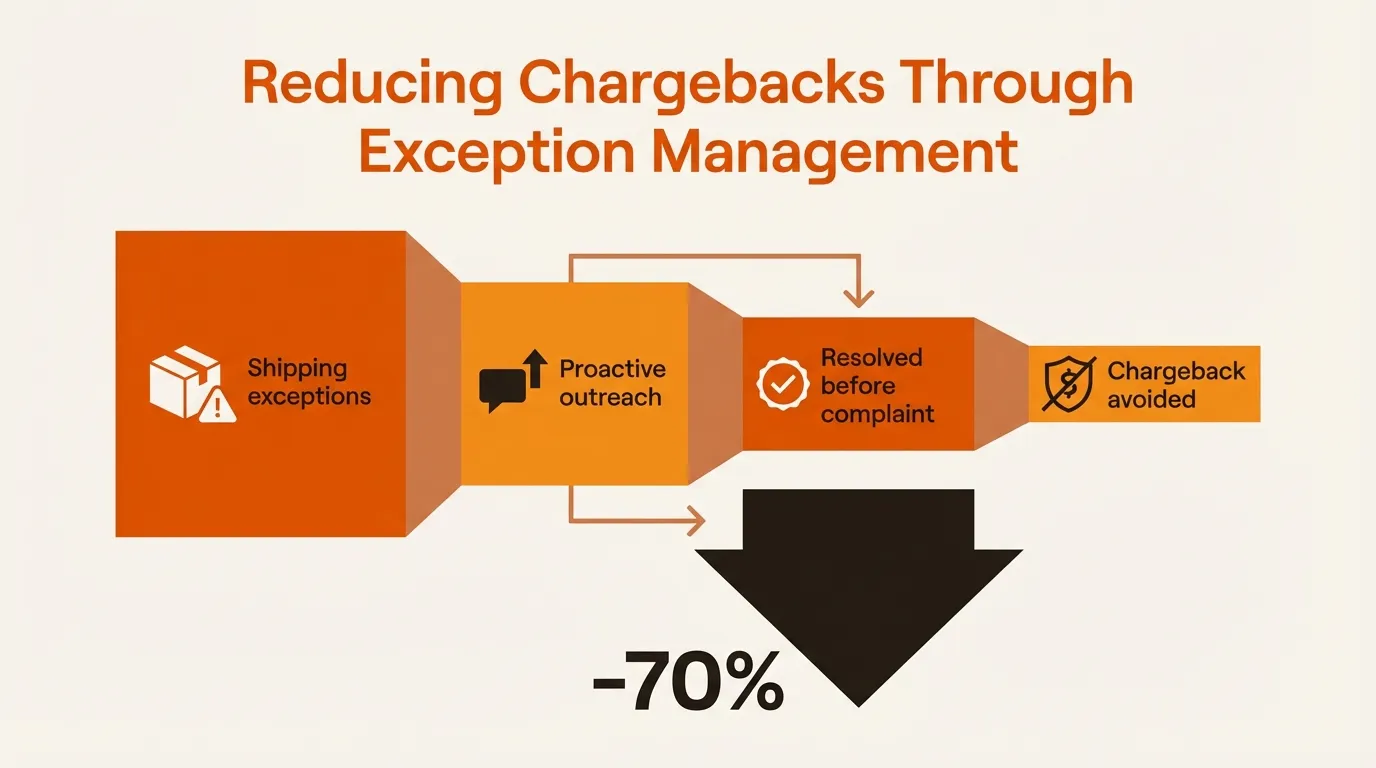
Reducing Chargebacks Through Better Shipping Exception Management
How proactive shipping exception management prevents chargebacks, protects processor standing, and reduces the hidden cost of shipping disputes for e-commerce brands.
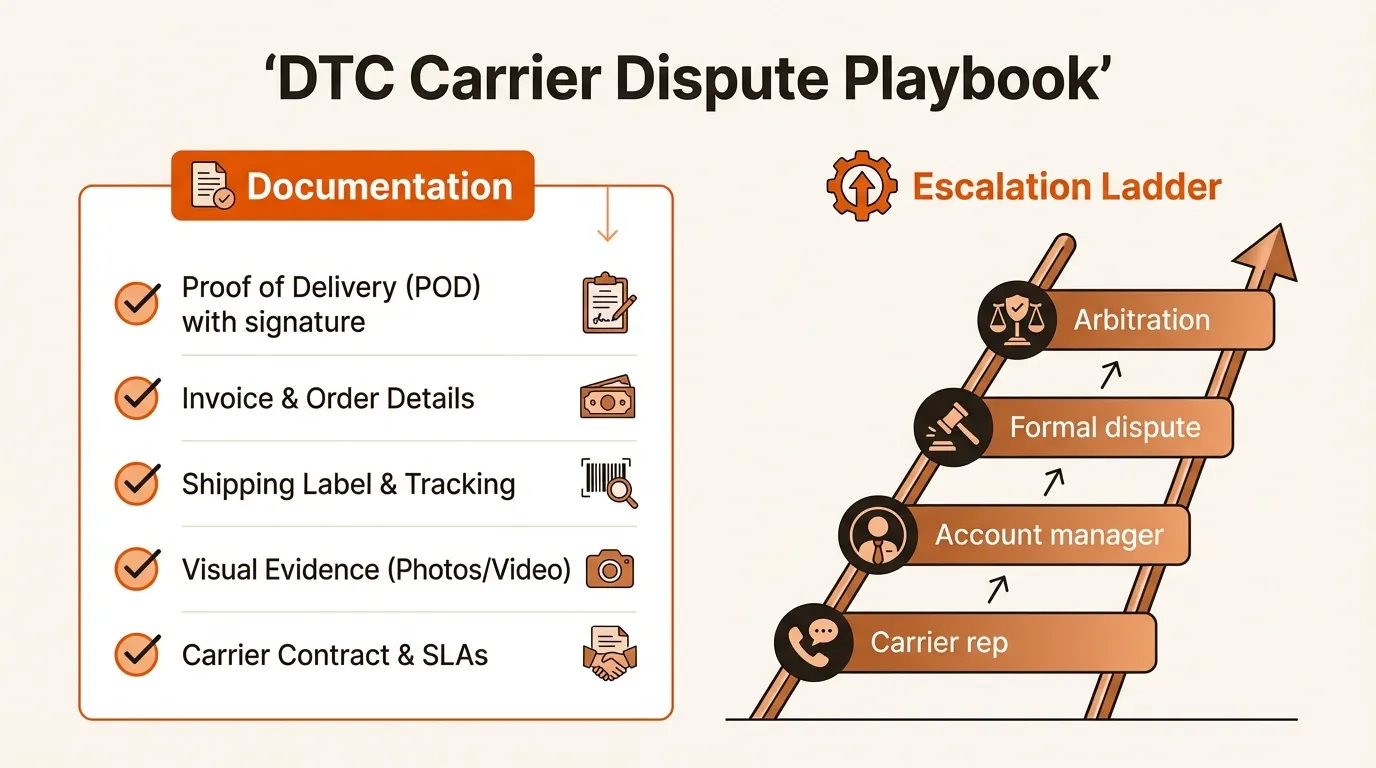
How DTC Brands Should Handle Carrier Disputes: A Complete Playbook
Tactical playbook for DTC ops leads: when to pursue a carrier dispute, documentation checklist, escalation path, timelines, scripts, and when to automate versus outsource.
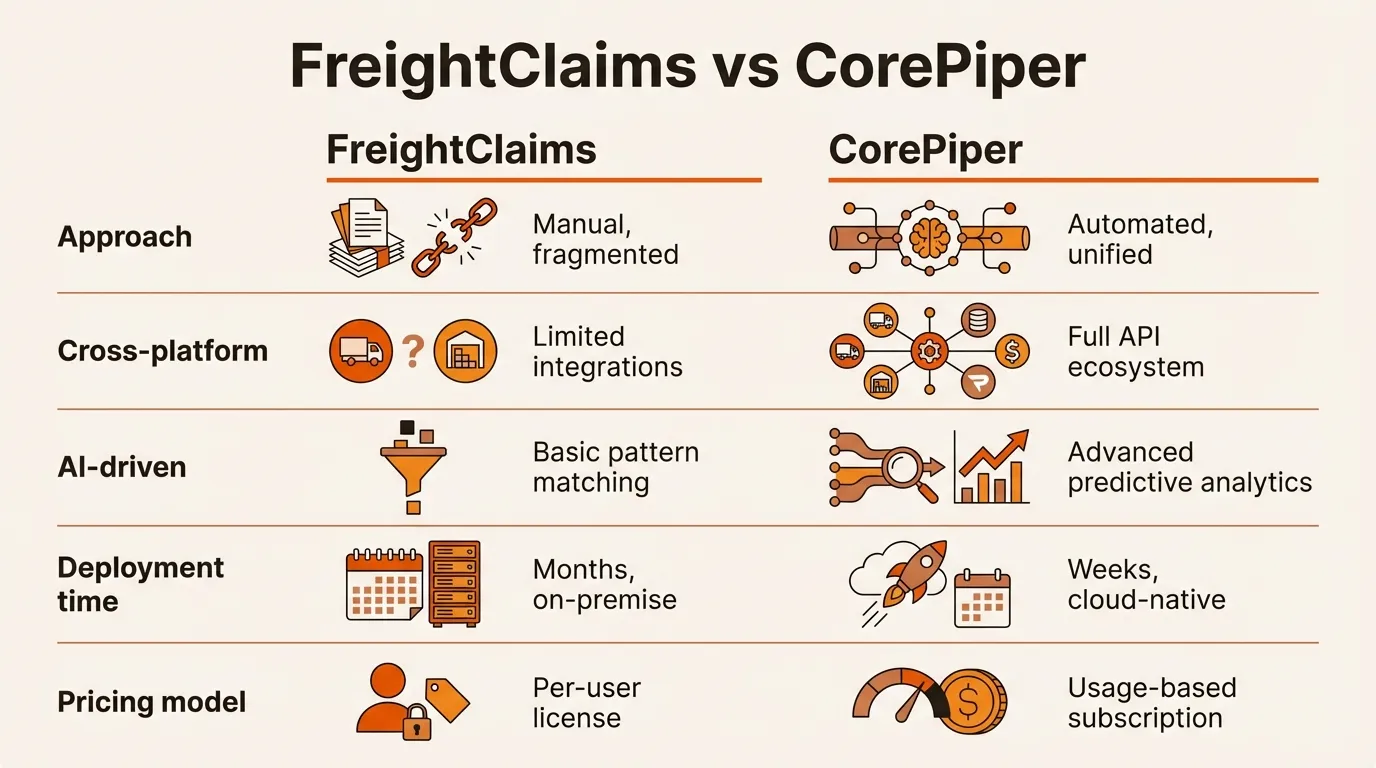
FreightClaims vs. CorePiper: Which Shipping Claims Platform Fits Your Operations?
FreightClaims vs CorePiper comparison: feature set, AI vs rules, cross-platform reach, pricing, deployment time, and which shipping claims platform fits your ops.
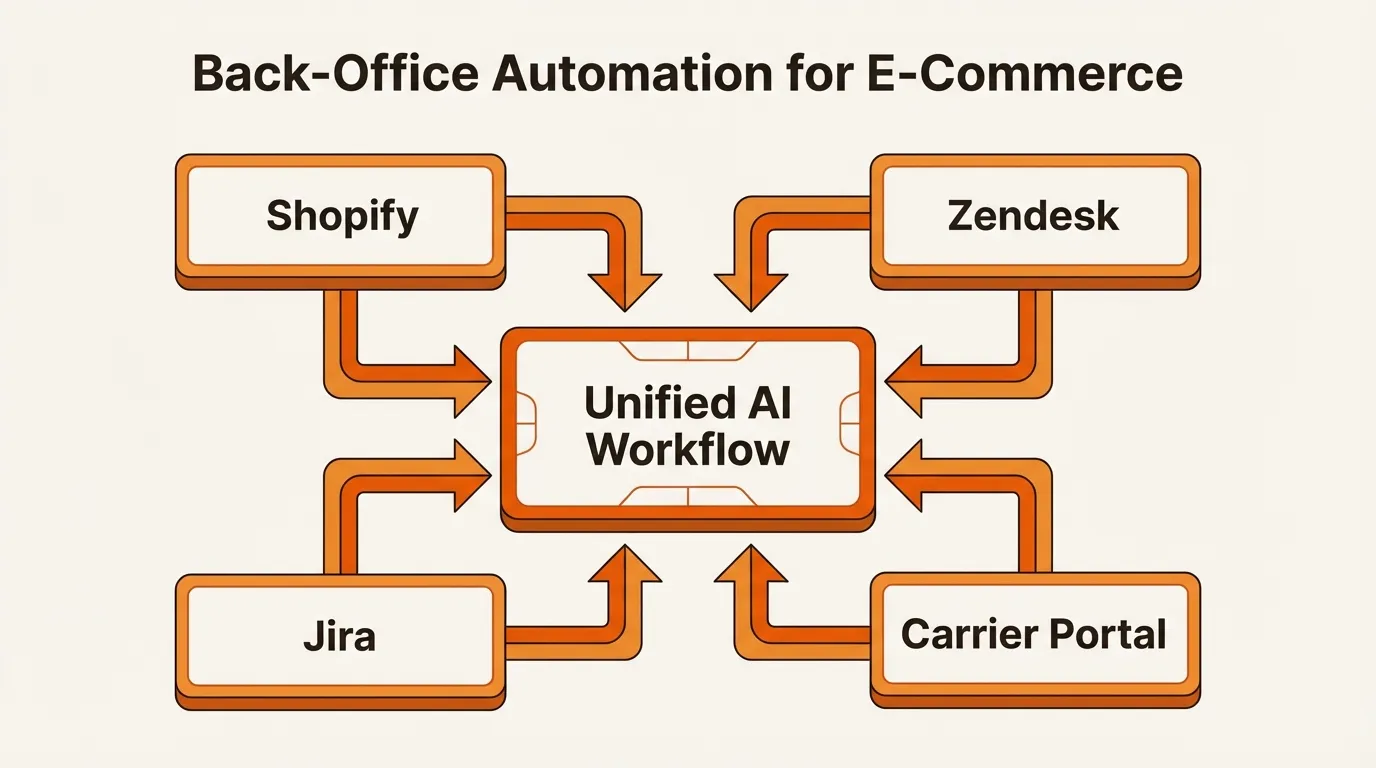
Back-Office Automation: Eliminating Copy-Paste Between Shopify, Zendesk, and Carrier Portals
How DTC and e-commerce ops teams use SOP-driven AI agents to eliminate copy-paste work spanning Shopify, Zendesk, Jira, and carrier portals in one workflow.
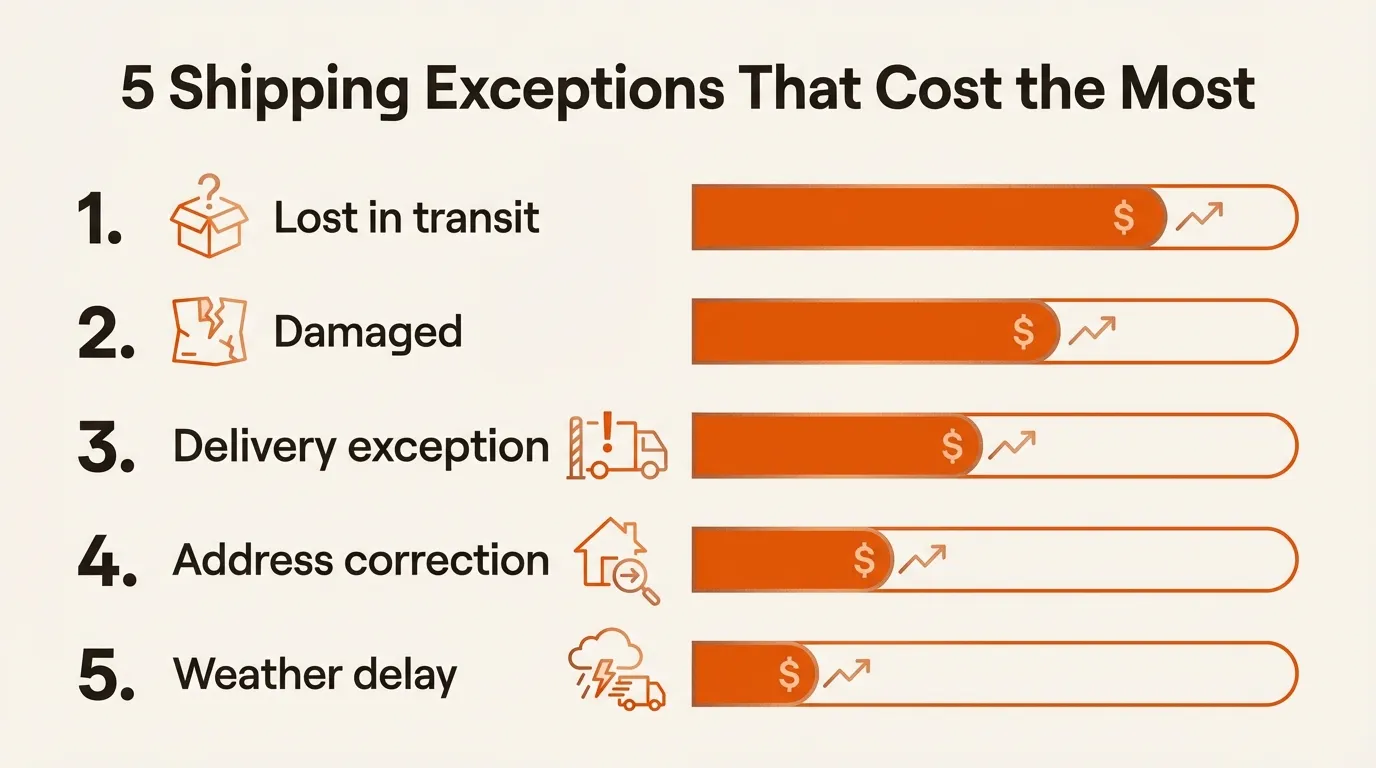
5 Shipping Exceptions That Cost E-Commerce Brands the Most
Ranked breakdown of the five shipping exceptions that drain e-commerce margin, how often they happen, what they cost, and how to automate resolution end to end.

The End of Static AI: Why the Next Generation of Agents Must Evolve Themselves
Static AI agents that never improve after deployment are dead. Here's why self-evolving agents — ones that learn from corrections, adapt to new SOPs, and optimize their own workflows — are the only viable path for enterprise operations.
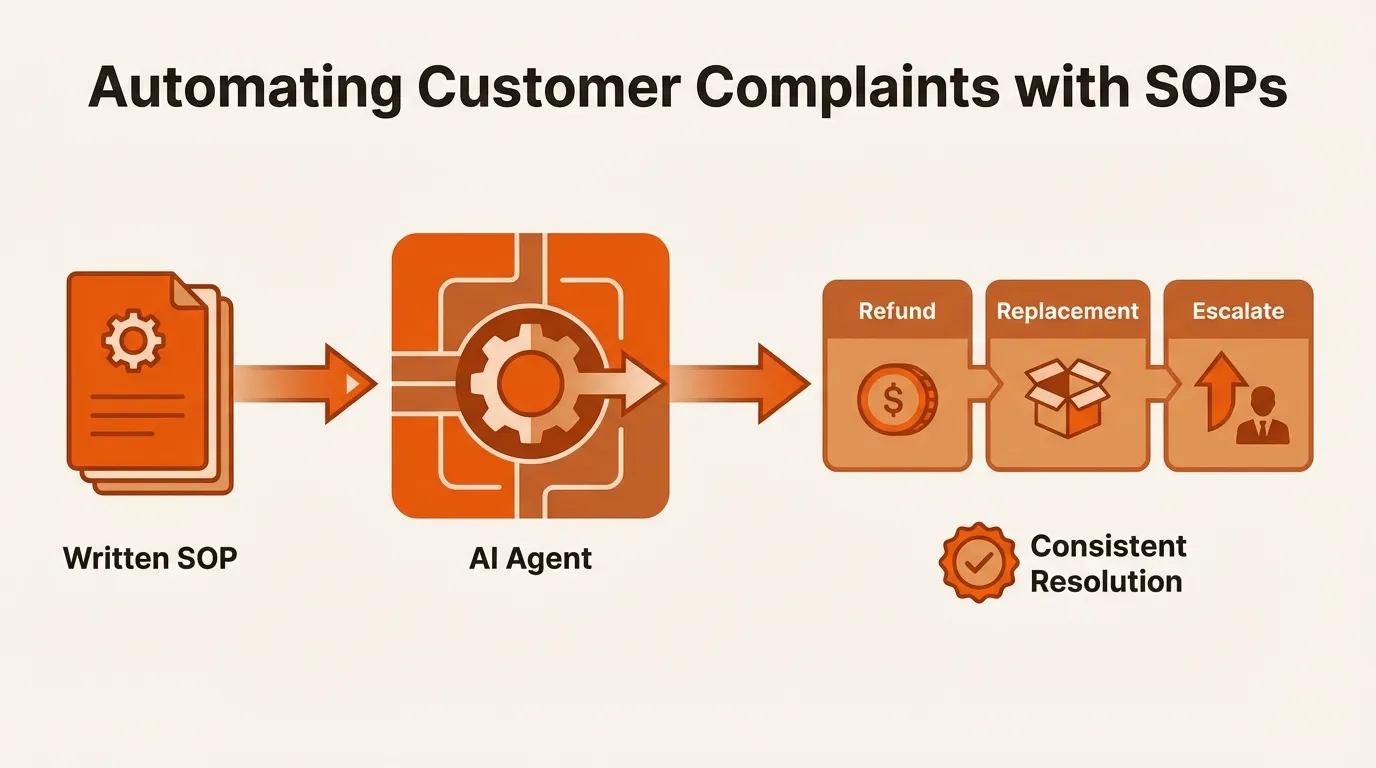
How to Automate Customer Complaint Resolution with SOPs and AI
Automate customer complaints using SOP-driven AI agents. Learn why written SOPs outperform generic LLMs and brittle rules for consistent resolution quality.
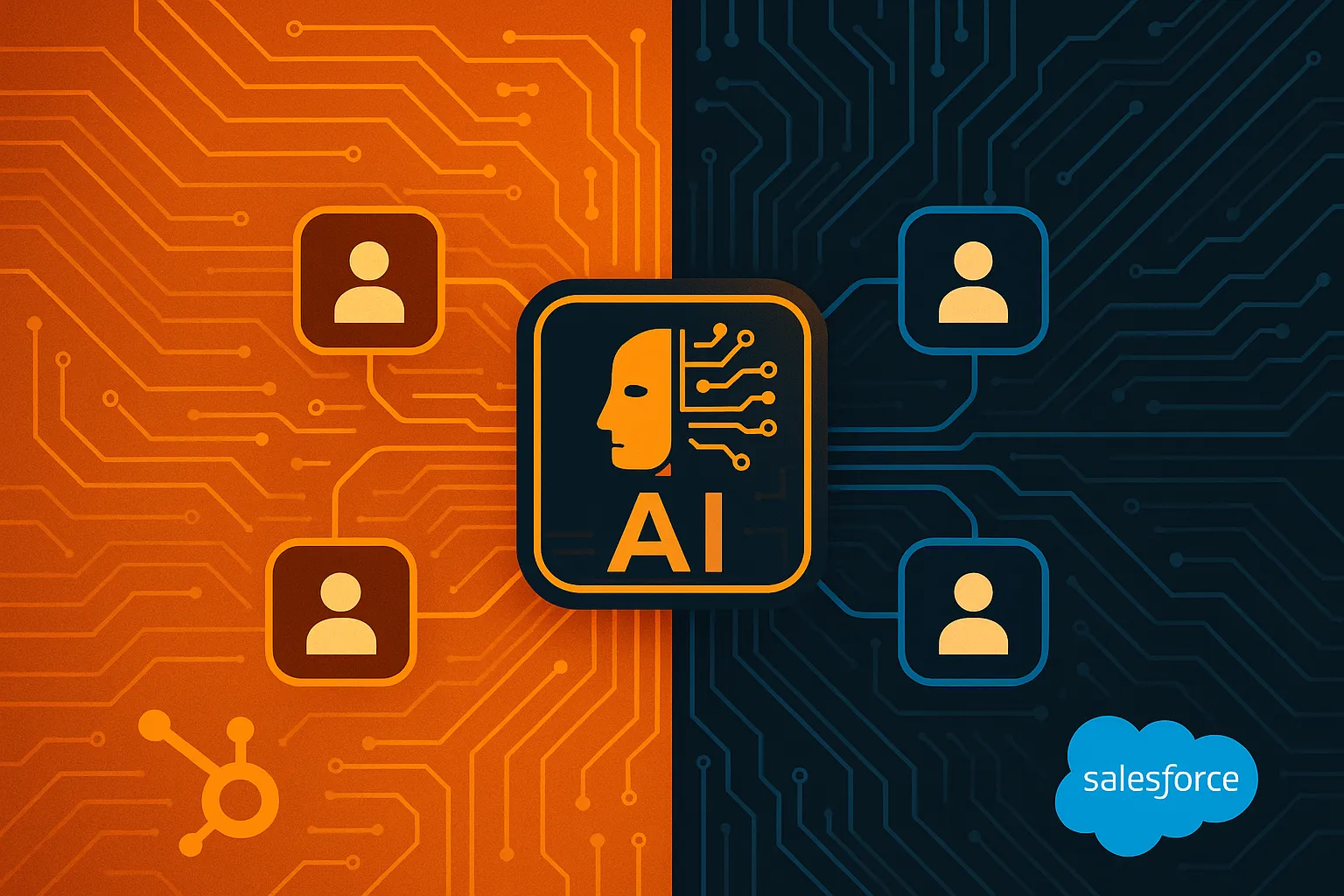
HubSpot vs Salesforce for AI Agents: Which CRM Works Better with Automation?
HubSpot and Salesforce both offer AI agents in 2026, but API quality, webhook reliability, and data model flexibility determine which CRM actually works for cross-platform automation. Here's the breakdown.
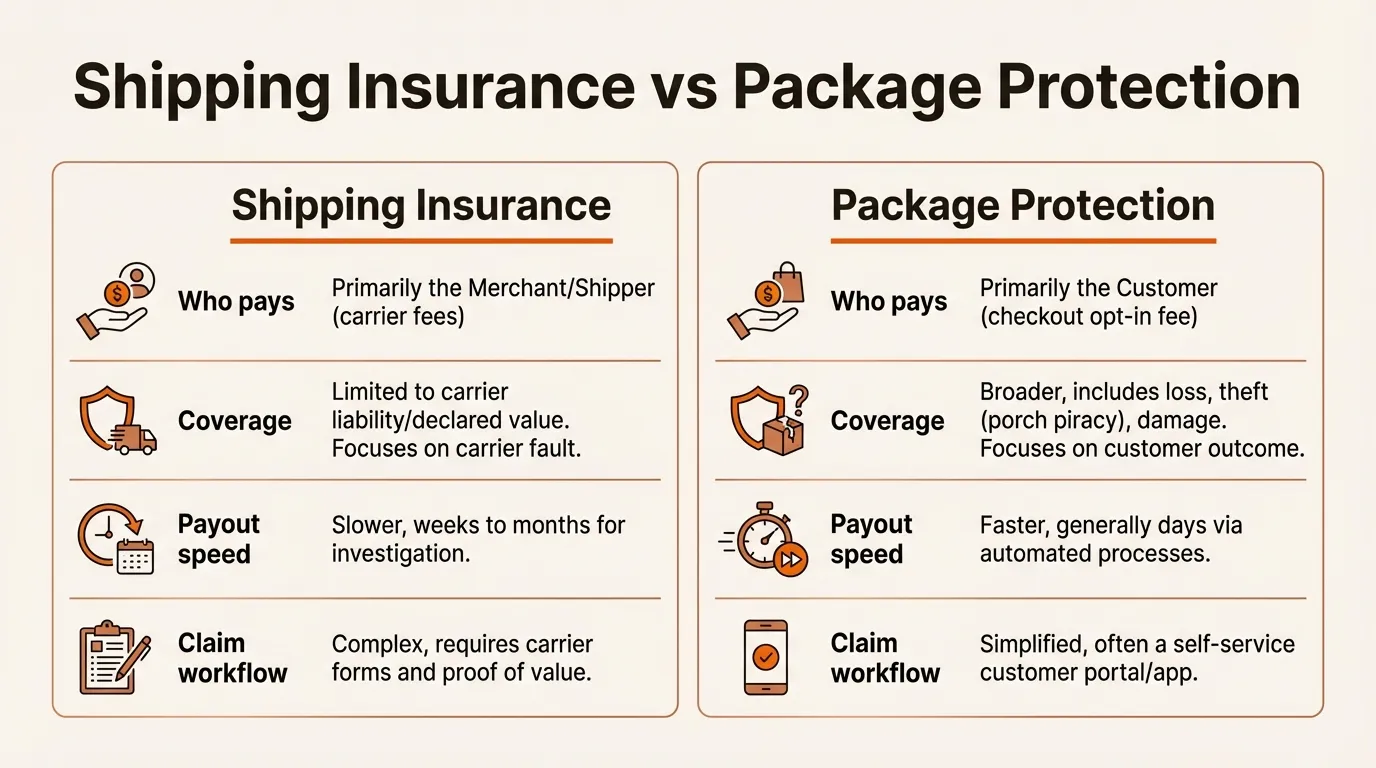
Shipping Insurance vs. Package Protection: Which Should E-Commerce Brands Use?
Shipping insurance and package protection solve different problems. Here is a neutral comparison on coverage, cost, payout speed, and claim workflow.
Agents in Jira: What Atlassian's 2026 Launch Means for Cross-Platform Operations
Atlassian launched Agents in Jira in February 2026, bringing AI agents directly into Jira boards and workflows. Here's what it means for teams running Salesforce, Zendesk, and Jira — and where the gaps remain.
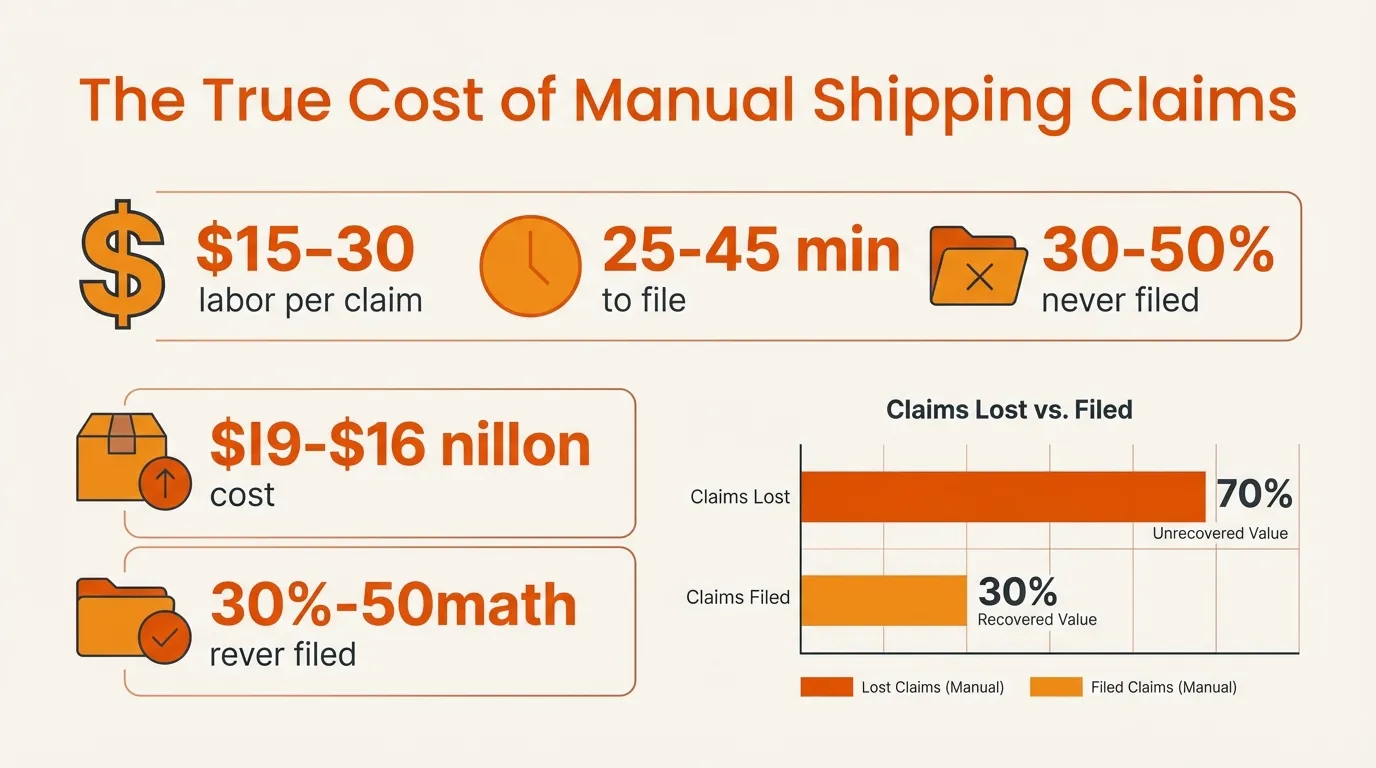
The True Cost of Manual Shipping Claims: Why E-Commerce Brands Lose Thousands Per Month
Manual shipping claims cost $15-30 in labor each, take 25-45 minutes, and 30-50% never get filed. Here is the real math and a framework to fix it.
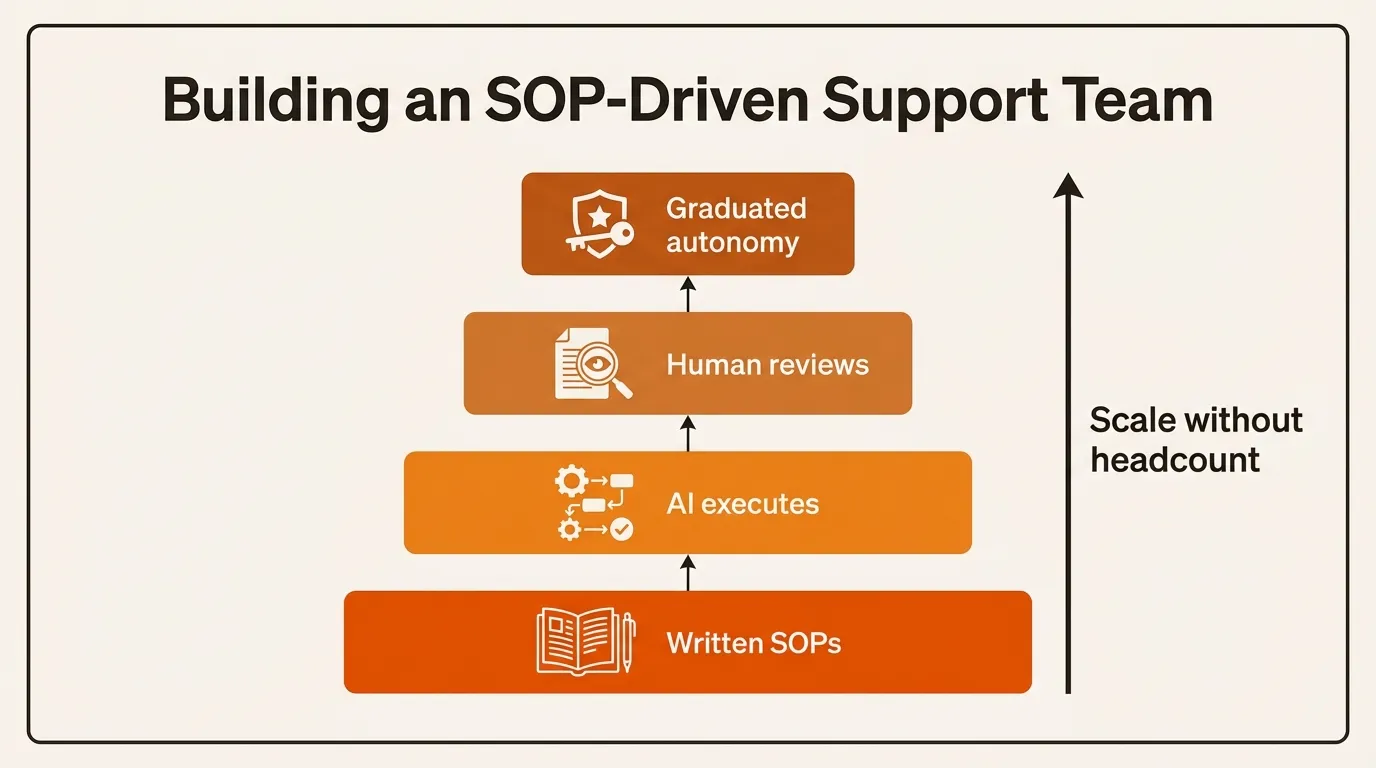
How to Build an SOP-Driven Support Team That Scales Without Headcount
The management playbook for scaling customer support without adding headcount — codify SOPs, automate execution, and graduate AI autonomy against measurable KPIs.
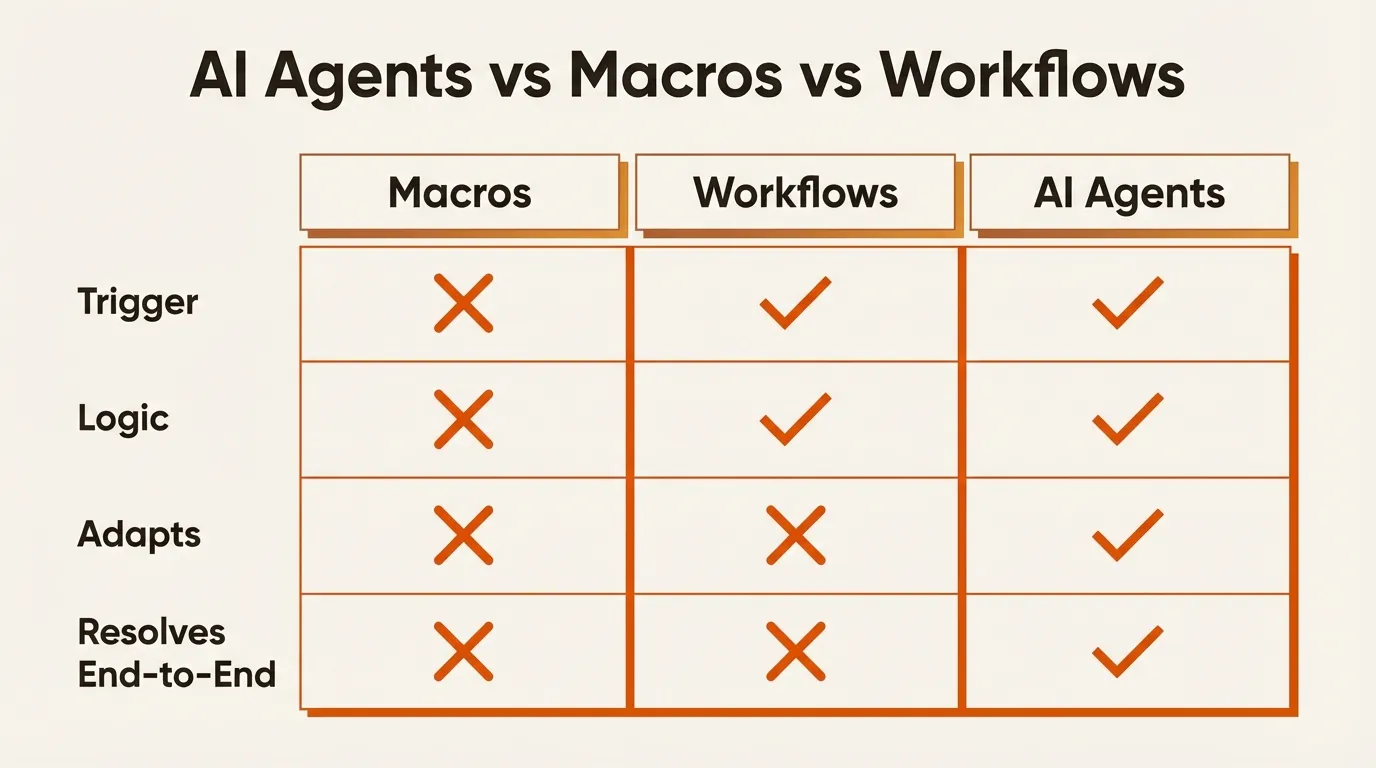
AI Agents vs. Macros vs. Workflows: Which Automation Actually Resolves Tickets?
Macros, workflows, and AI agents solve different problems. Here is how each works, where it plateaus, and which one actually resolves complex ops tickets end to end.
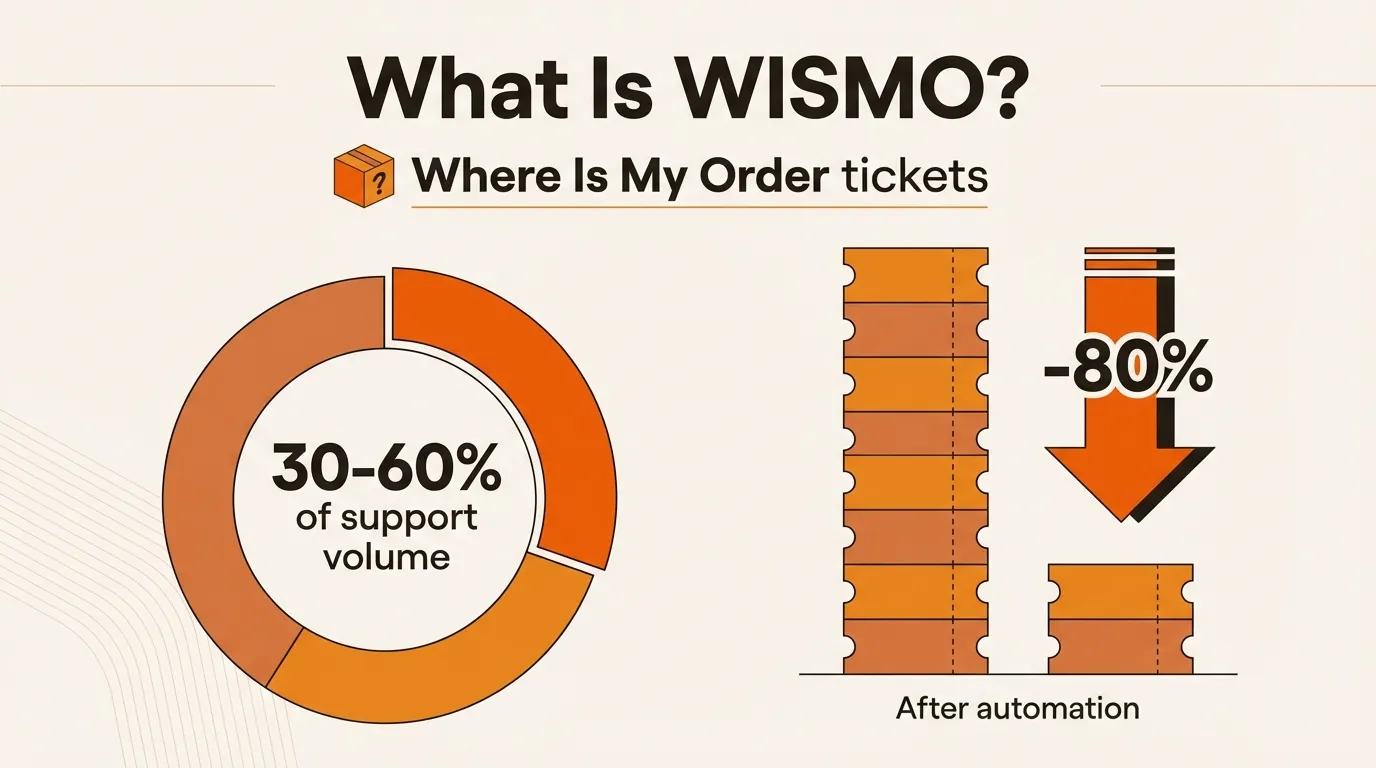
What Is WISMO and How to Reduce 'Where Is My Order' Tickets by 80%
WISMO tickets consume 30-60% of ecommerce support volume. Learn how proactive exception detection and cross-platform automation cut them by 80%.
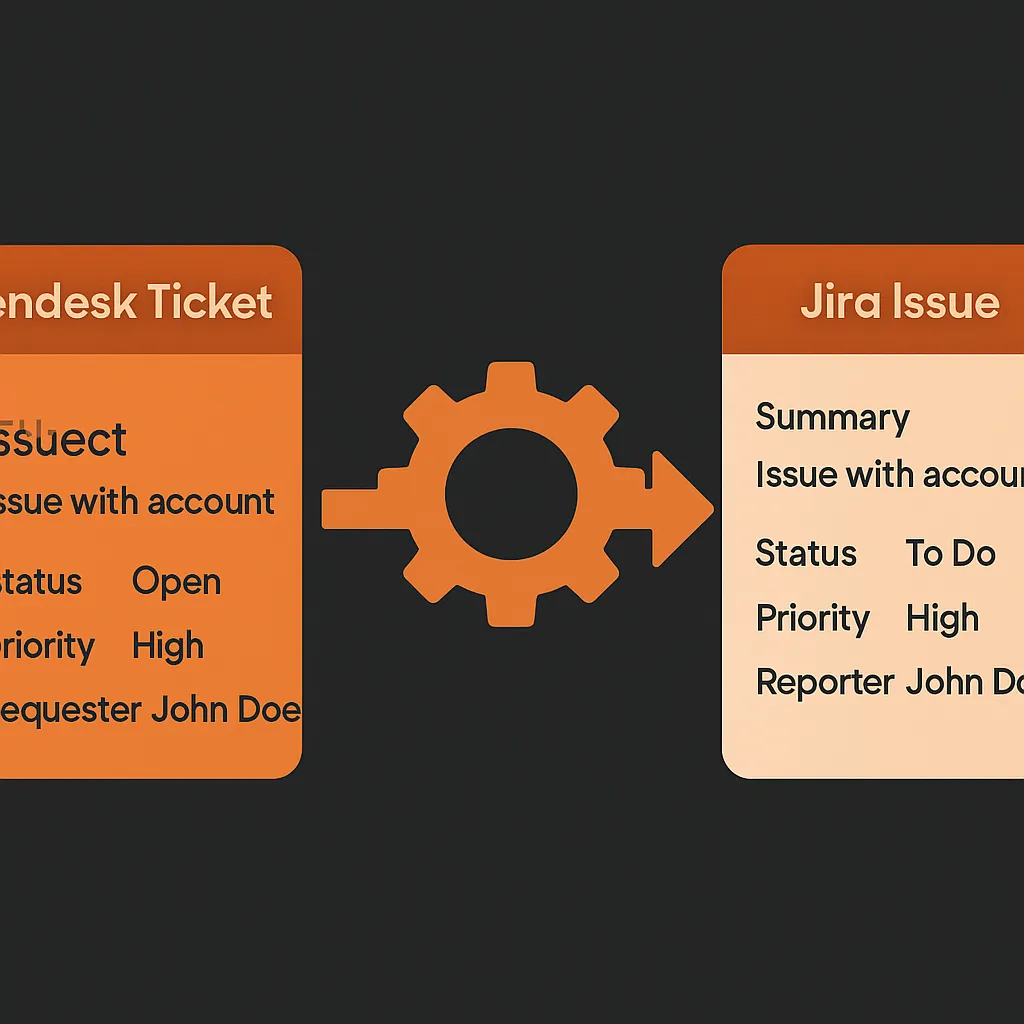
How to Automate Zendesk Ticket Escalation to Jira Without Custom Code
Manual Zendesk-to-Jira escalations waste 15+ minutes per ticket and introduce errors at every handoff. Here's how to automate the escalation workflow using native connectors, webhooks, or AI agents—without writing a single line of code.
![How to File a FedEx Shipping Claim: Complete Guide [2026]](/blog/how-to-file-fedex-shipping-claim-hero.webp)
How to File a FedEx Shipping Claim: Complete Guide [2026]
Step-by-step guide to filing FedEx damage, lost, and delay claims. Timelines, required documents, denial reasons, and how to automate claims at scale.
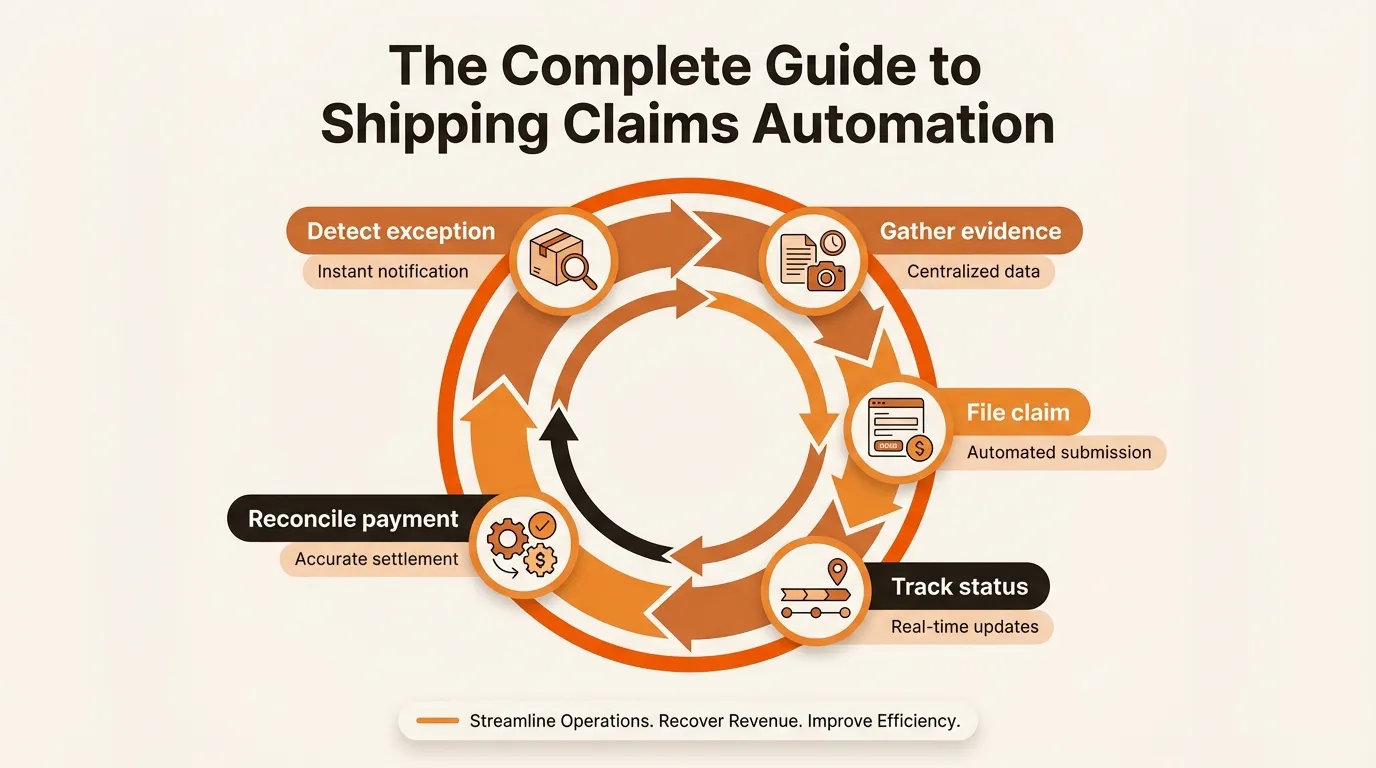
Shipping Claims Automation: The Complete Guide
The complete guide to shipping claims automation: how CorePiper's AI agents detect exceptions, file claims, and track payout across FedEx and UPS.
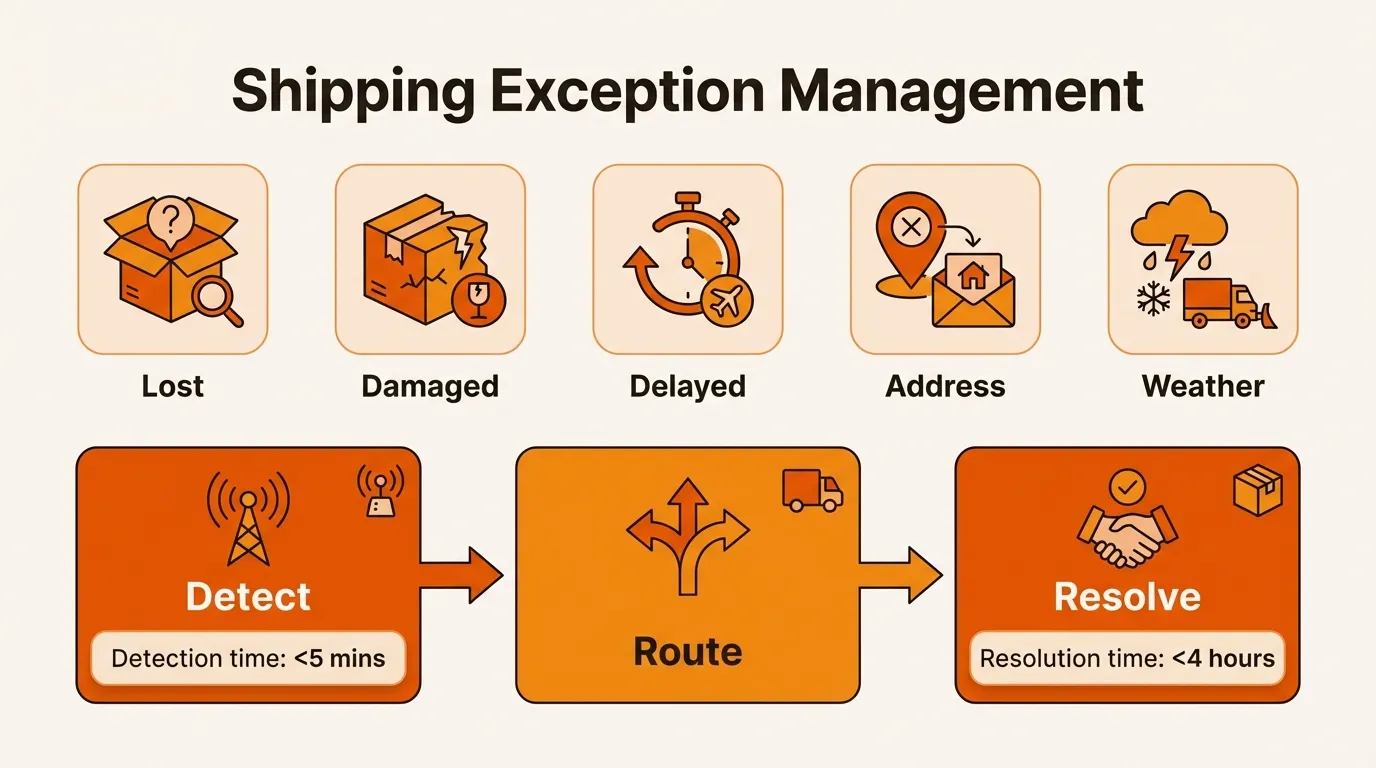
Shipping Exception Management: Detect and Resolve Issues Before Customers Complain
Complete guide to shipping exception management. Taxonomy, detection methods, carrier exception codes, automation workflows, and KPIs for e-commerce ops.
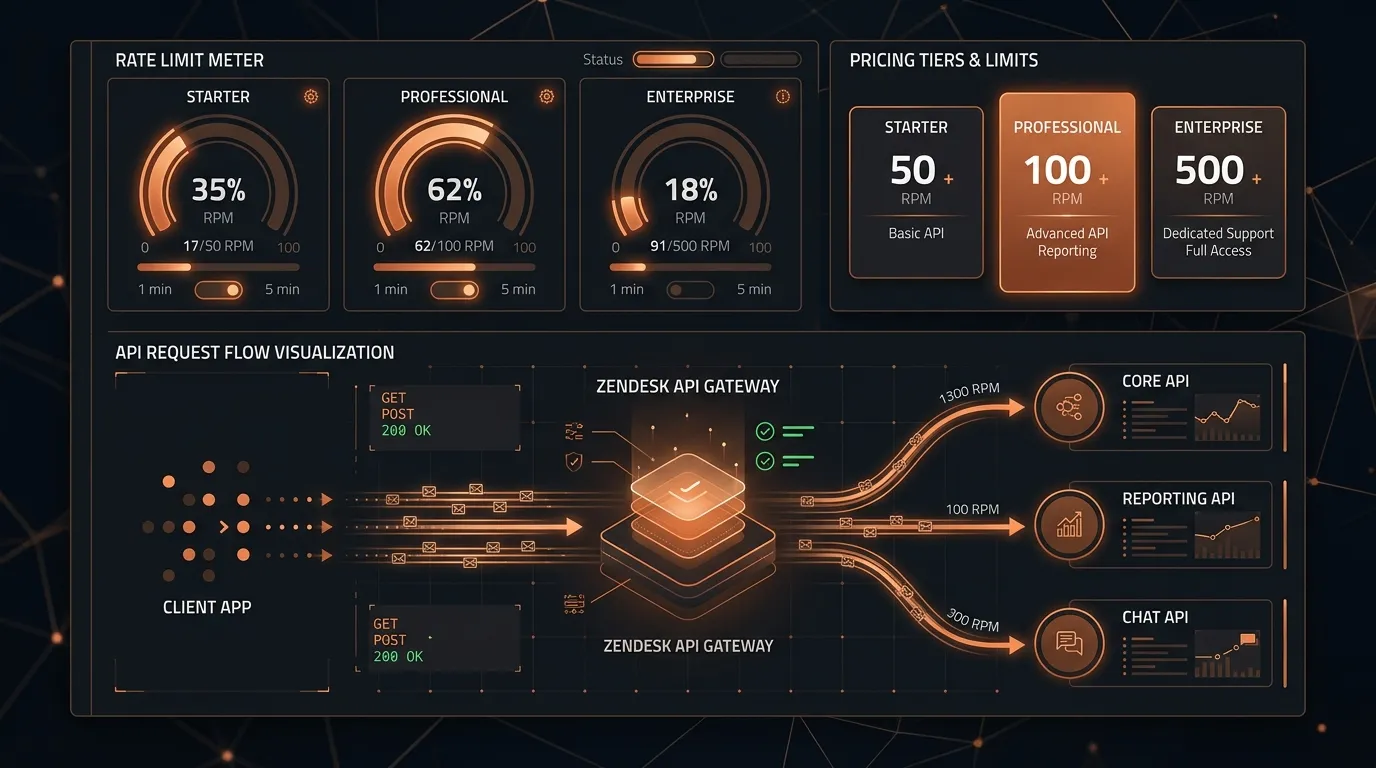
Zendesk API Pricing & Rate Limits in 2026: What Developers and Ops Teams Need to Know
Zendesk API rate limits range from 200 req/min on Team to 2,500 on Enterprise Plus. But the real cost isn't the API—it's the plan upgrades, add-ons, and integration work you'll need when those limits run out. Here's the complete breakdown.
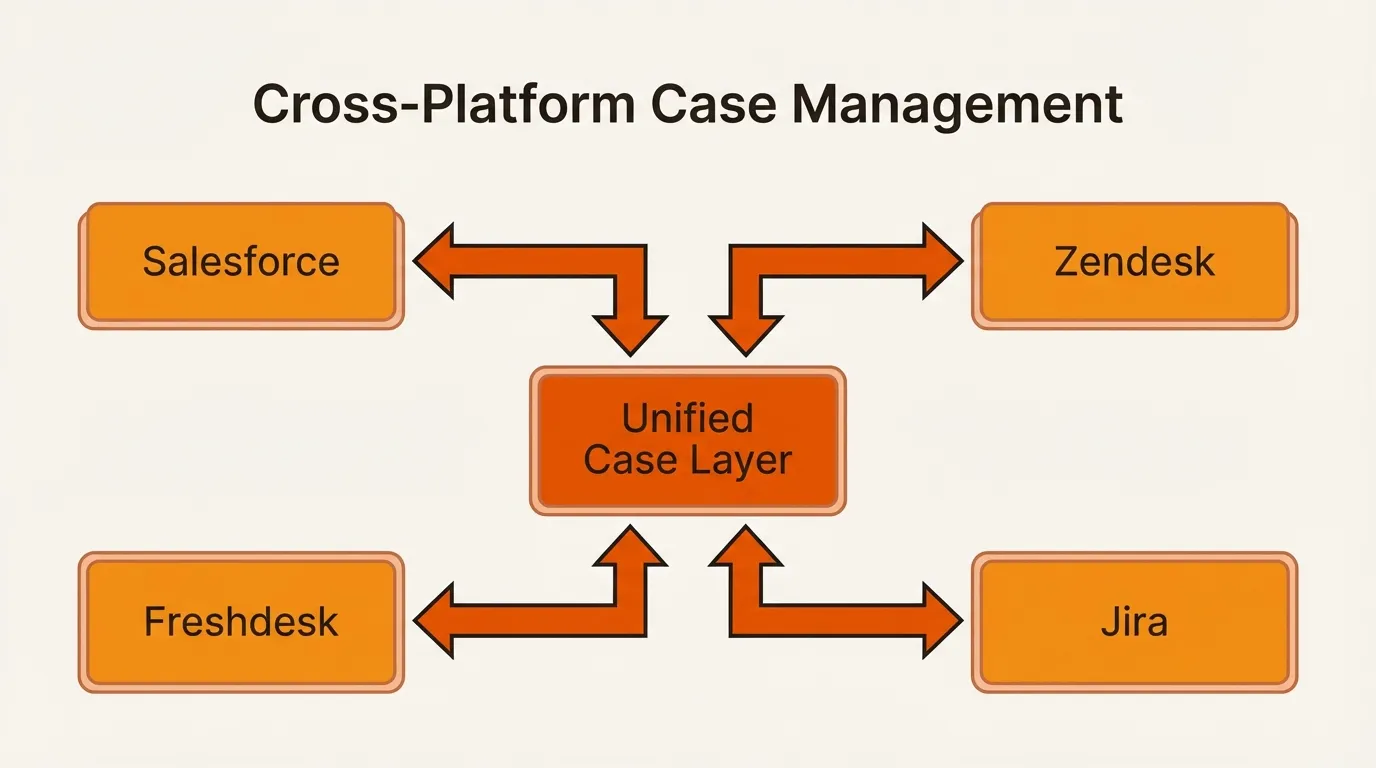
Cross-Platform Case Management: Unifying Salesforce, Zendesk, Freshdesk, and Jira
Complete guide to cross-platform case management. Why companies run multiple helpdesks, integration approaches compared, and how SOP-driven AI unifies them.
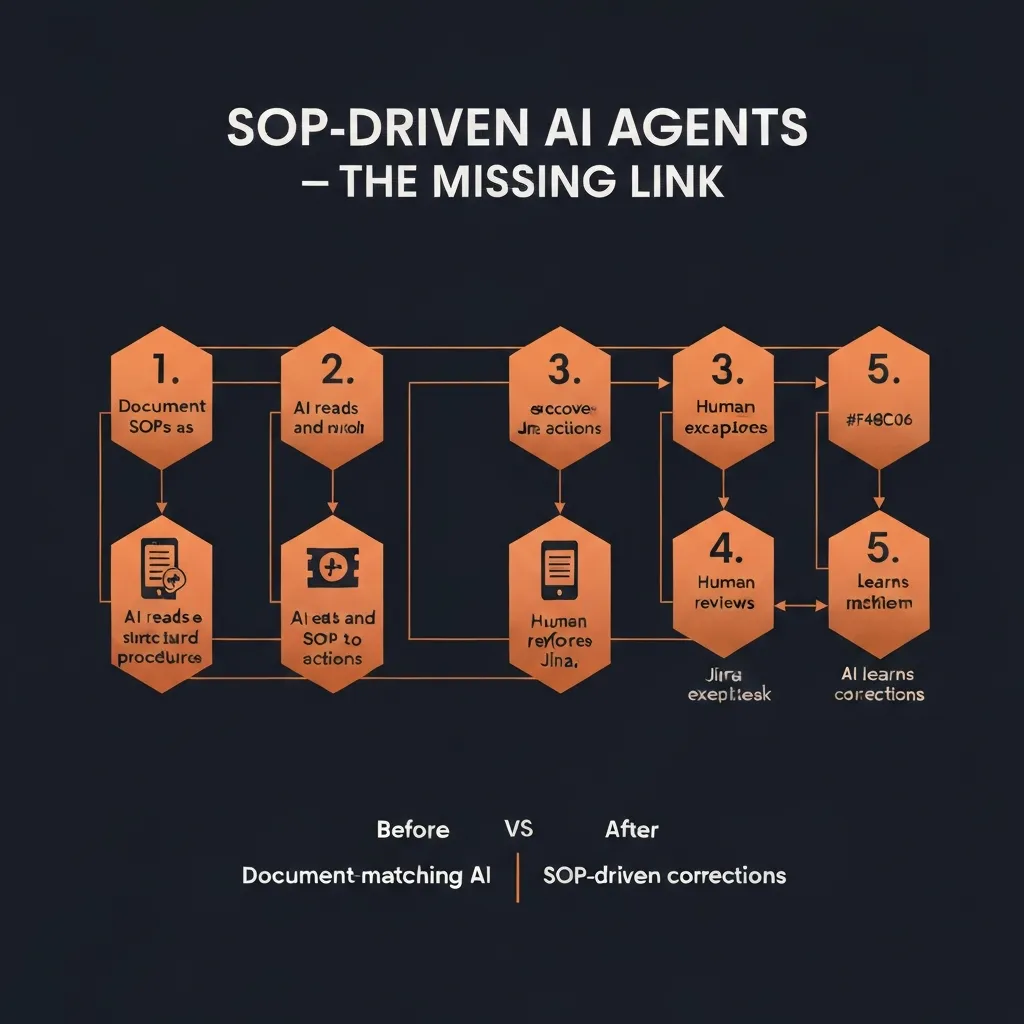
Your SOPs Are the Missing Link to AI Agent Success: A Practical Guide
Document-matching AI fails because it guesses from history. SOP-driven AI succeeds because it follows your actual procedures. Here's the 5-step process to make it work.
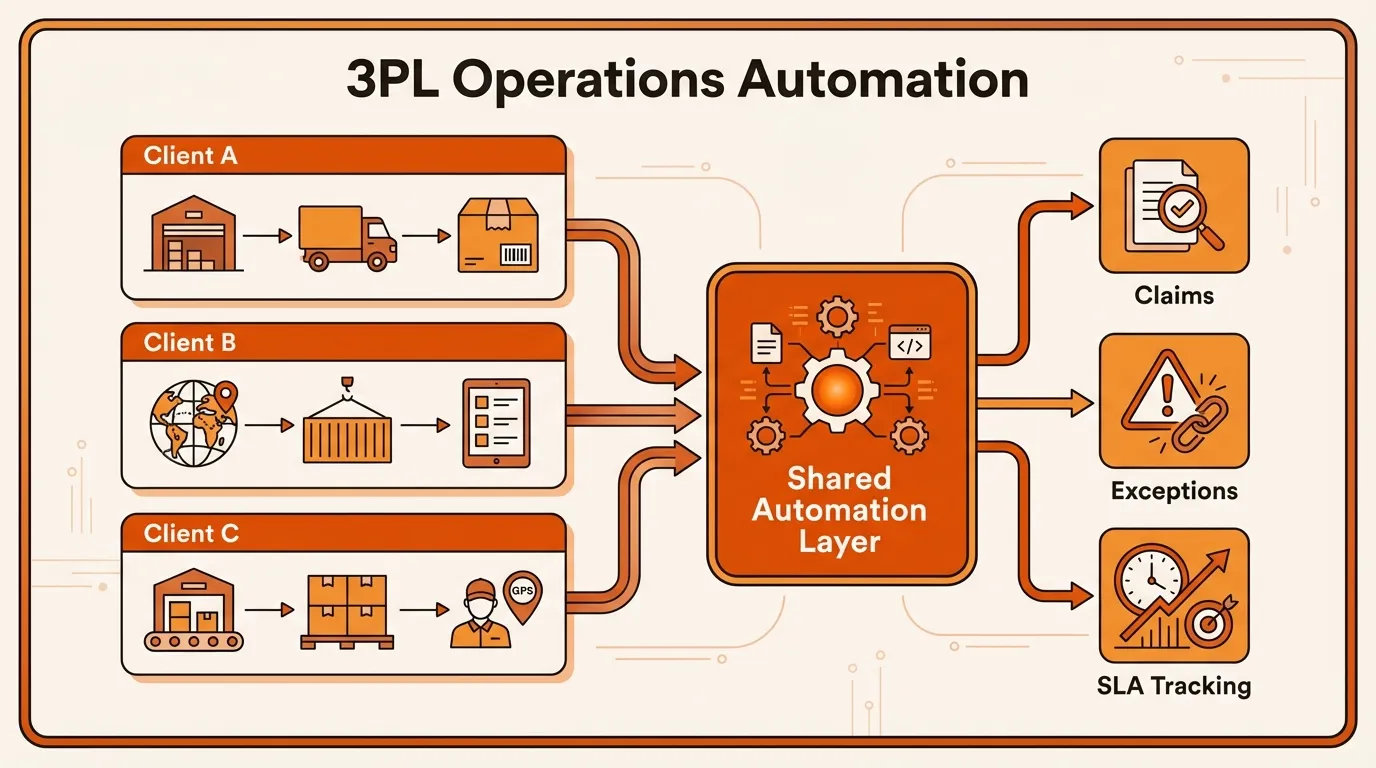
3PL Operations Automation: Reducing Claims, Exceptions, and Manual Work
Complete guide to 3PL operations automation. Multi-client SLA management, carrier-agnostic claims, exception handling at scale, and SOP-driven AI approaches.
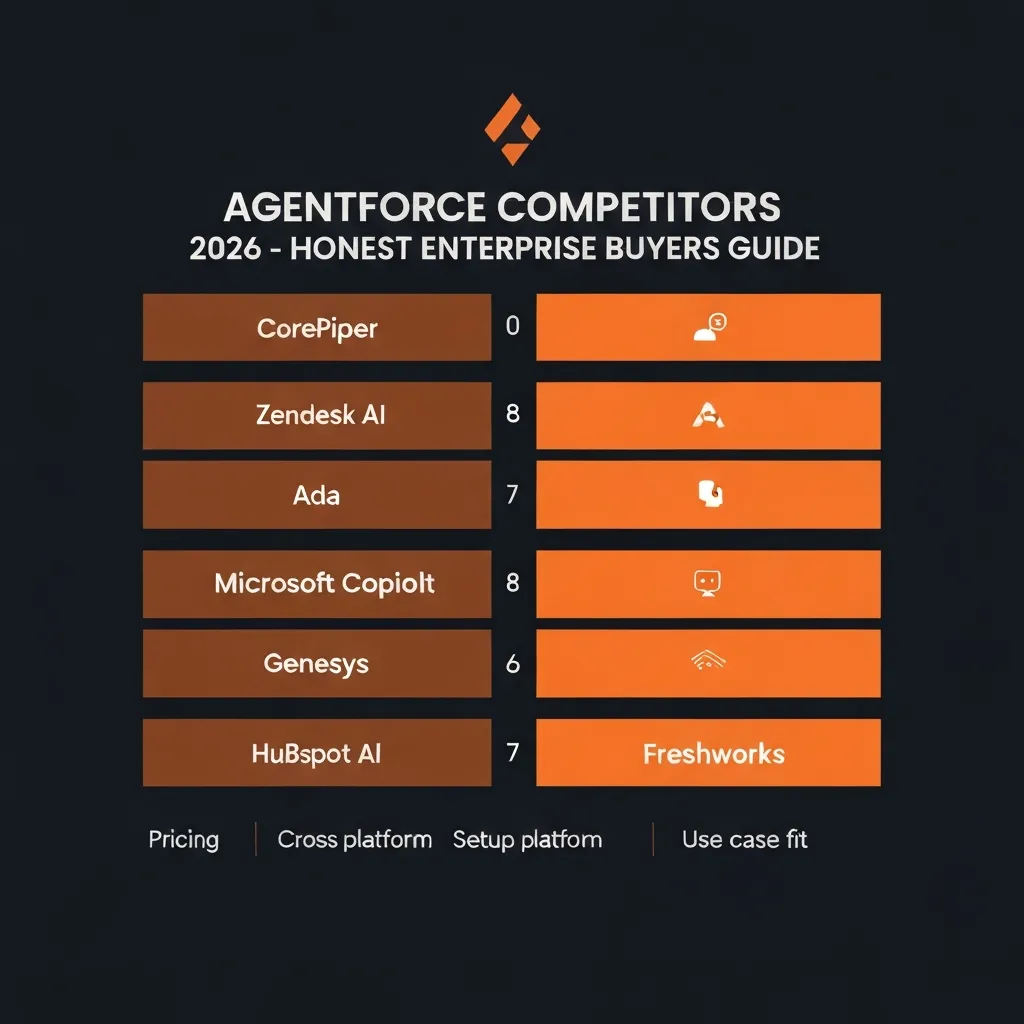
Salesforce Agentforce Competitors in 2026: The Honest Enterprise Buyer's Guide
Agentforce has a 77% B2B failure rate and true TCO up to $13,600/user/year. Here are 8 competitors ranked by use case with actual pricing and a decision framework.
![UPS Claims Process: Filing, Tracking, and Getting Paid [2026]](/blog/ups-claims-process-hero.webp)
UPS Claims Process: Filing, Tracking, and Getting Paid [2026]
Complete guide to the UPS claims process. Filing windows, required documents, inspection steps, declared value rules, and how to automate UPS claims at scale.
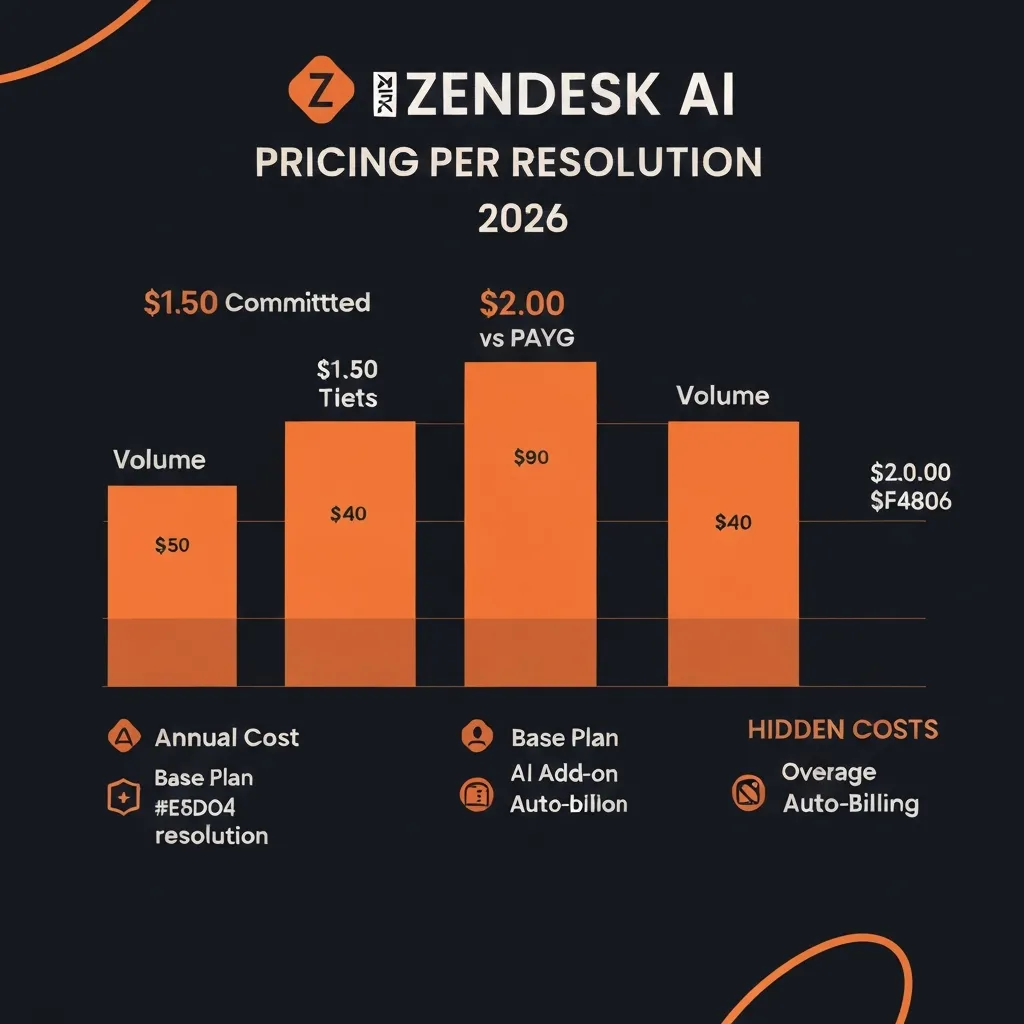
Zendesk AI Pricing Per Resolution: The Hidden Math Behind $1.50 (2026 Analysis)
Zendesk charges $1.50 committed or $2.00 PAYG per automated resolution. Since January 2026, overages are auto-billed with no warning. Here's the real math most buyers miss.

How to Run AI Agents Across Salesforce, Zendesk, and Jira Without Custom Code
Single-platform AI agents only handle 30% of workflows. Learn the three proven architectures for cross-platform automation using MCP/A2A protocols — with step-by-step implementation guides.
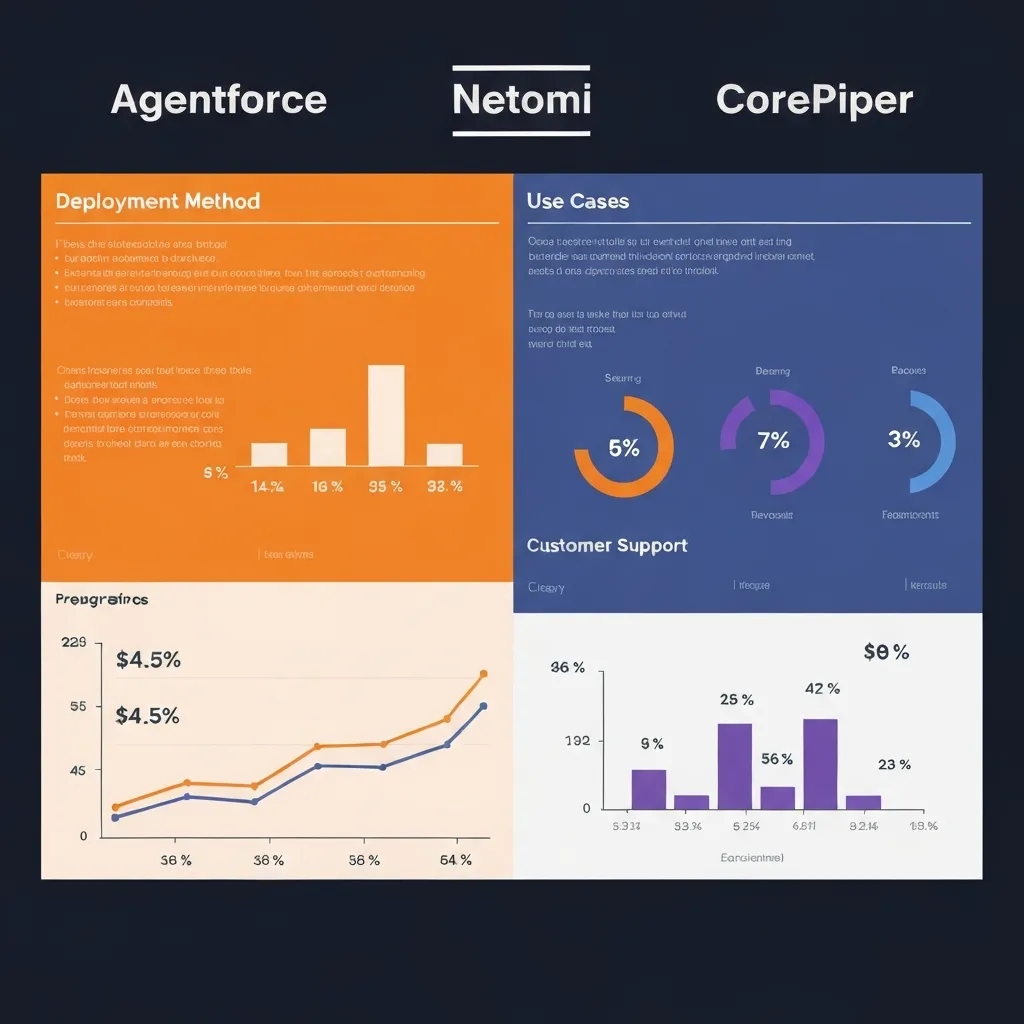
Agentforce vs Netomi in 2026: Enterprise AI Agents Compared (With a Third Option)
Agentforce is Salesforce-locked with a 20-agent limit. Netomi is Fortune 500 and platform-agnostic but enterprise-only. Here's the honest head-to-head — plus a third option.
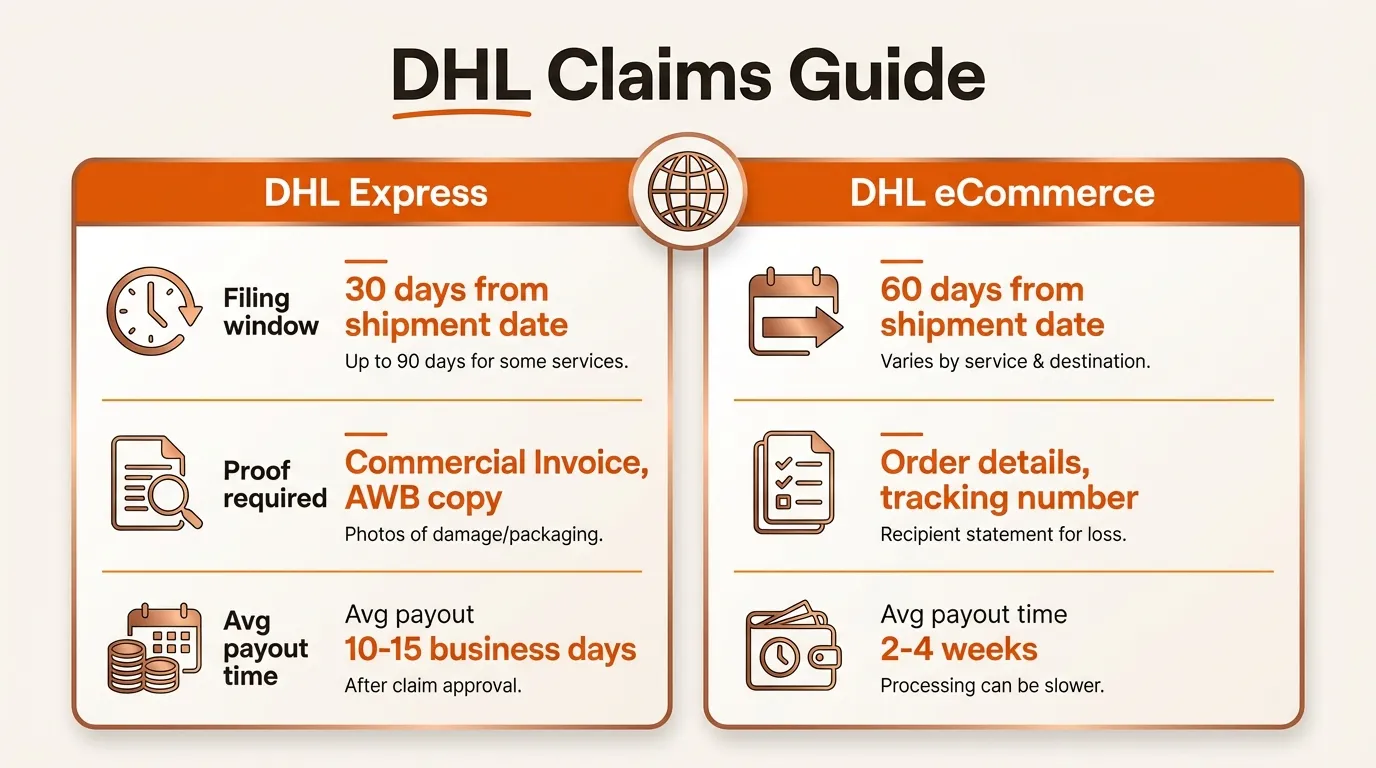
DHL Claims: How to File and What E-Commerce Brands Need to Know
Complete DHL claims guide. Filing windows for DHL Express vs eCommerce, proof of value requirements, international specifics, and how to automate DHL claims at scale.
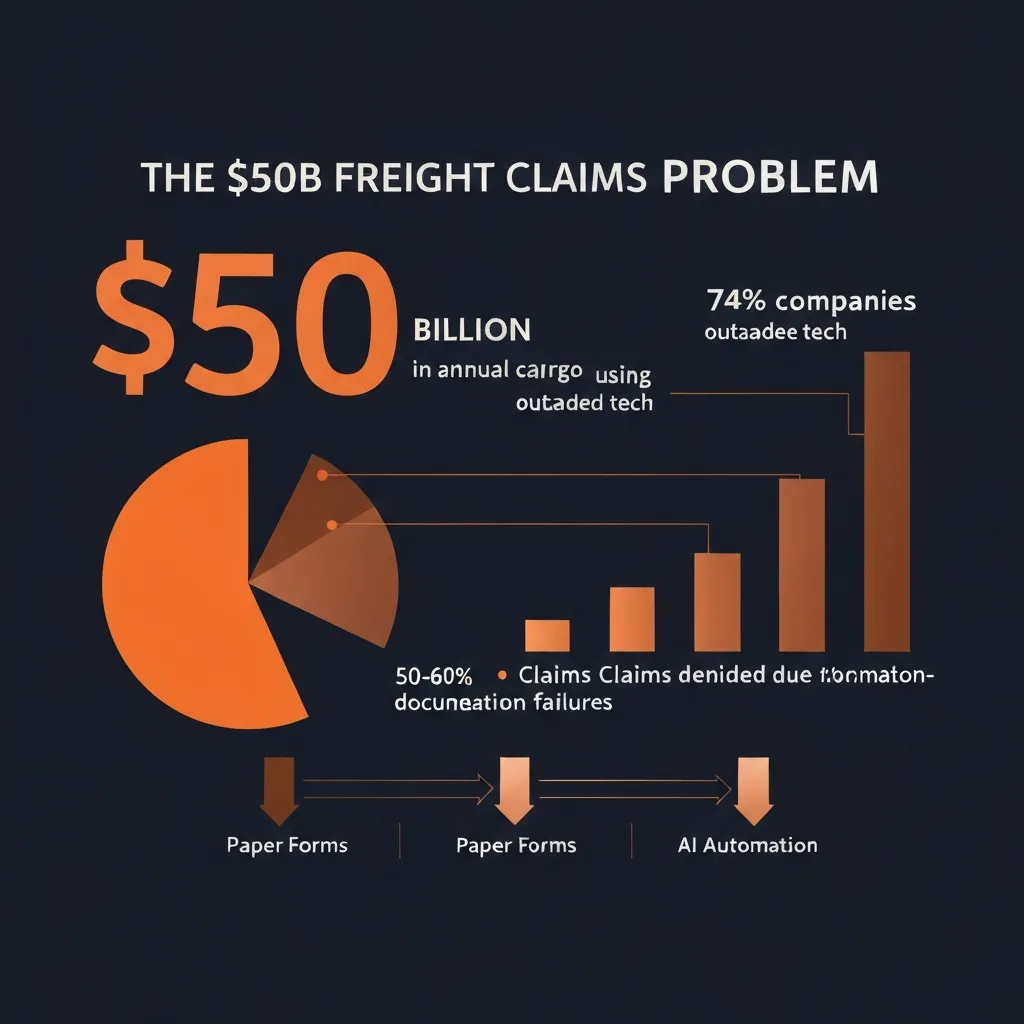
The $50 Billion Freight Claims Problem Nobody's Solving (Until Now)
Cargo losses exceed $50B annually. 74% of companies use outdated tech. 50-60% of claims get denied. SOP-driven AI agents are the first real solution to this problem.

3 Acquisitions, 1 Shift: Why Independent AI Platforms Are the Future of Enterprise Automation
Moveworks went to ServiceNow. Aisera went to Automation Anywhere. Forethought went to Zendesk. Three acquisitions in under a year are reshaping who controls enterprise AI—and it's not the buyer. Here's why independent AI agent platforms are the strategic counter-move.
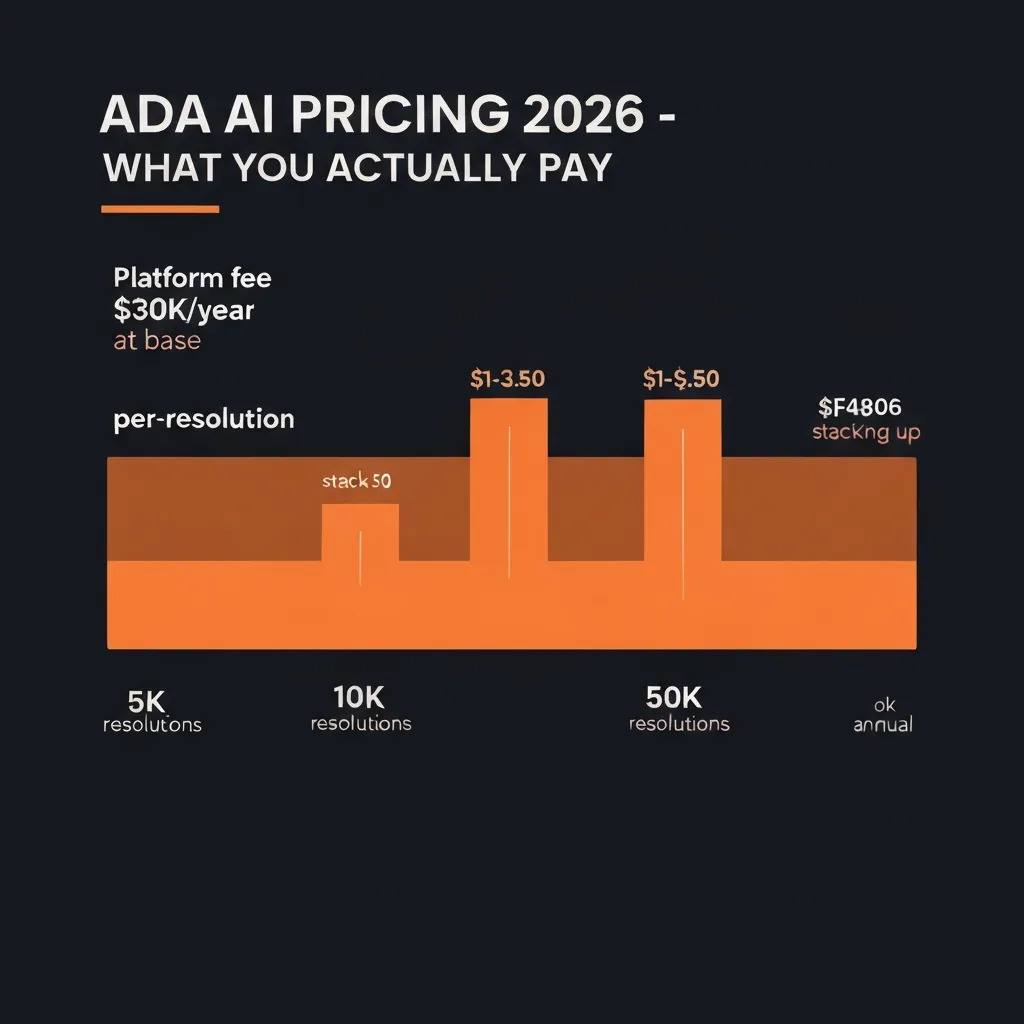
Ada AI Pricing in 2026: What You'll Actually Pay (Complete Breakdown)
Ada AI's median deal is $70,001/year with $1–$3.50/resolution costs. Here's the real math at 5K, 10K, and 50K interactions — plus hidden costs most buyers miss.

Forethought vs Moveworks in 2026: Both Got Acquired — Here's What That Means
Forethought was absorbed by Zendesk in March 2026. Moveworks was acquired by ServiceNow for $2.85B in December 2025. Neither exists as an independent company. Here's an honest comparison of what's left — and the cross-platform alternative enterprise buyers should consider.
5 Best Aisera Alternatives in 2026 (What the Automation Anywhere Acquisition Means for You)
Aisera was acquired by Automation Anywhere in November 2025. G2 reviews cite steep learning curves and $100K–$500K/year pricing. Here are 5 alternatives with real pricing, faster deployment, and cross-platform flexibility.

How to Automate Proof Gathering for Shortage Claims: A Step-by-Step Playbook
50-60% of freight shortage claims get denied due to documentation failures. This step-by-step playbook shows how to automate proof gathering across carrier portals, TMS, and Salesforce — cutting claim resolution time from weeks to hours.
Zendesk Pricing Negotiation: 7 Levers for 2026
How to negotiate Zendesk pricing: audit seats, time the renewal, bring competitor quotes, and negotiate AI add-ons and resolution pricing separately.
Moveworks & Aisera Got Acquired: What It Means for Enterprise AI Buyers
ServiceNow bought Moveworks for $2.85B. Automation Anywhere acquired Aisera. Salesforce swallowed Informatica. Here's what the 2025 AI acquisition wave means for enterprise buyers evaluating AI agents — and why platform independence matters more than ever.
7 Best Moveworks Alternatives in 2026 (Post-ServiceNow Acquisition Guide)
ServiceNow acquired Moveworks for $2.85B with DOJ antitrust review pending. Here are 7 ranked alternatives for enterprise teams worried about vendor lock-in.

Ada AI Review 2026: Is $30K–$300K/Year Worth It?
An honest Ada CX review covering real pricing data, hidden costs, per-resolution traps, user complaints, and when cross-platform AI agents are a better fit for enterprise support operations.
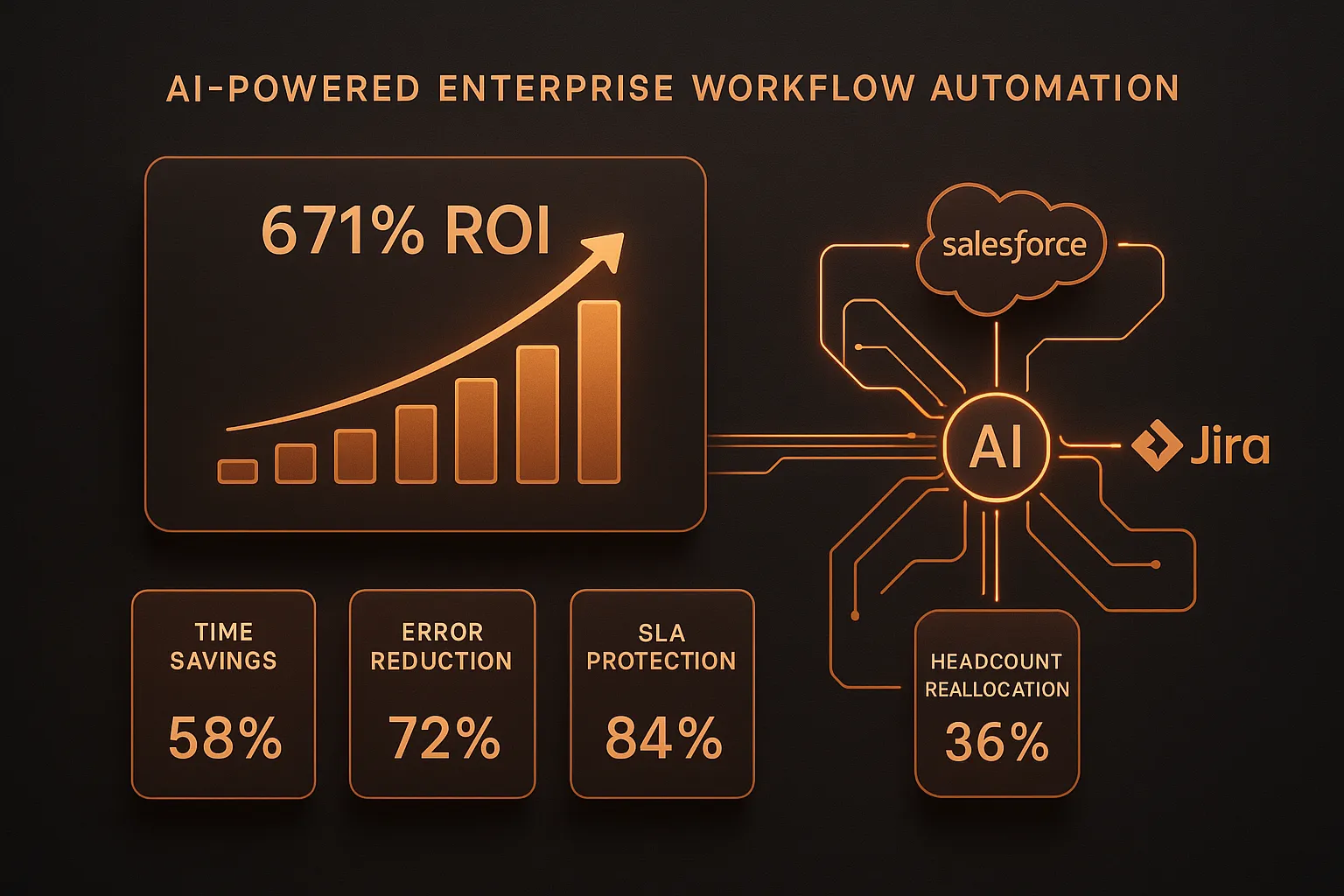
The ROI of AI-Powered Salesforce-Jira Automation
A hard numbers framework for measuring the ROI of AI-powered Salesforce-Jira automation. Time savings, error reduction, SLA improvement, headcount reallocation — and a step-by-step ROI calculator template you can use this week.
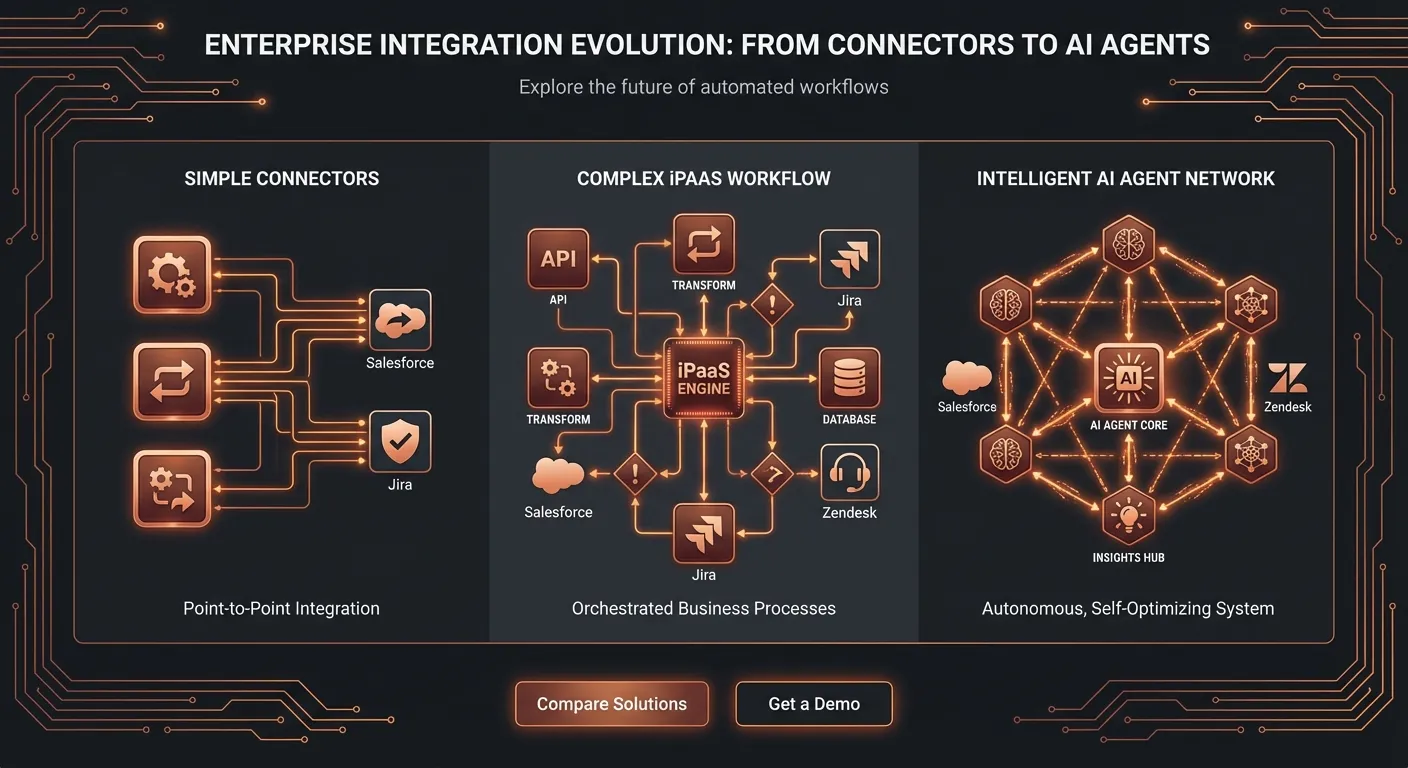
Connectors vs. iPaaS vs. AI Agents: Which Integration Approach Fits Your Team?
Comparing Sinergify, Exalate, Zapier, Workato, MuleSoft, Agentforce, and cross-platform AI agents for Salesforce-Jira integration. A practical guide to choosing the right approach — and understanding why most teams start with the wrong one.
Salesforce + Jira + Zendesk: Why Cross-Platform Is the Only Path Forward for AI Agents
Enterprise operations run across dozens of platforms. AI agents that only work inside one system are dead on arrival. Here's why cross-platform capability isn't a nice-to-have — it's the entire point.

Self-Evolving AI Agents: Automation That Improves Your Workflows Over Time
Most automation breaks within months. Self-evolving AI agents don't just execute your SOPs — they identify patterns, surface bottlenecks, and suggest improvements so your operations get better over time. Here's how they work.
Salesforce to Jira Case Escalation: A Step-by-Step Automation Guide
Manual case escalation from Salesforce to Jira costs support teams hours every week. This step-by-step guide compares three approaches — manual, connector-based, and AI agent — so you can pick the right automation strategy for your team.
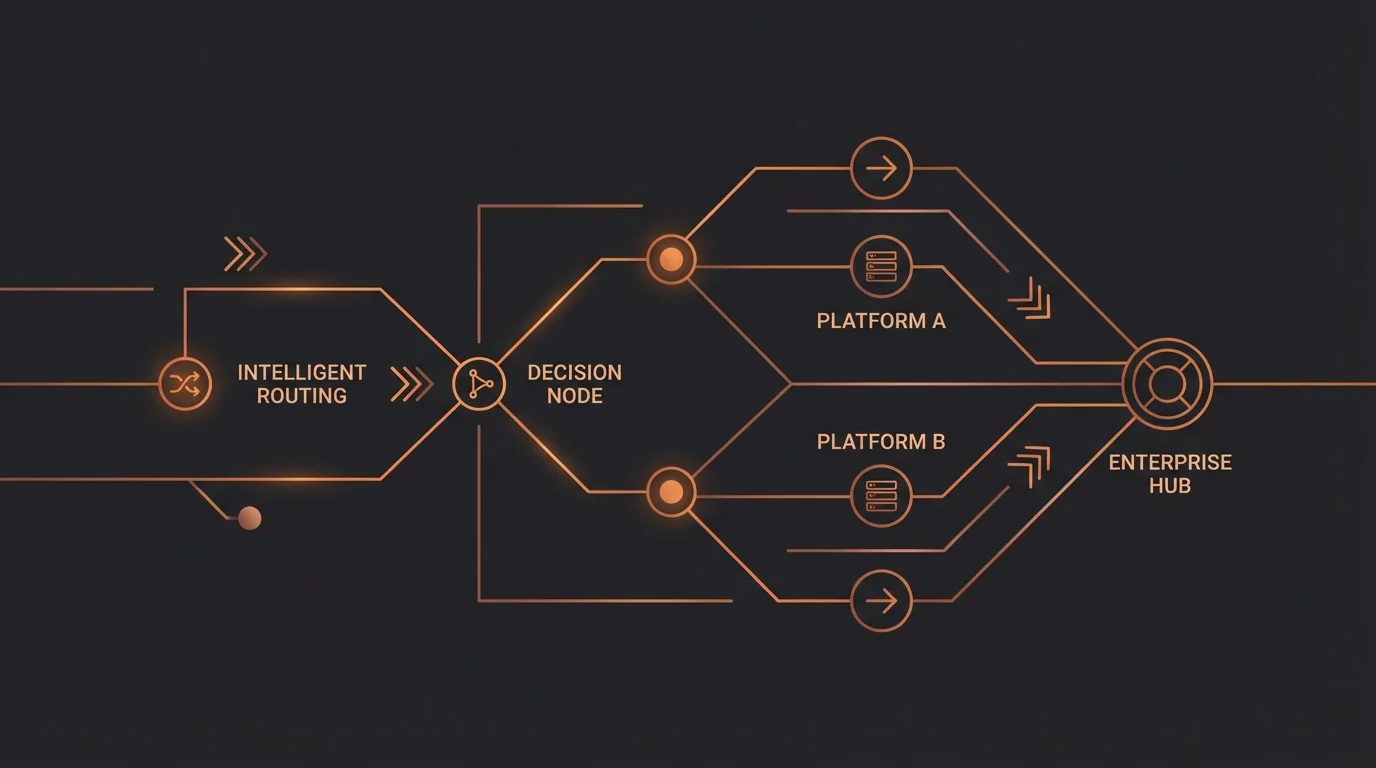
AI Case Routing Between Salesforce and Jira: Beyond Simple Data Sync
Most Salesforce-Jira integrations sync data. But syncing fields isn't routing cases. Here's how AI-powered case routing makes intelligent decisions about where work should go — and what should happen when it gets there.
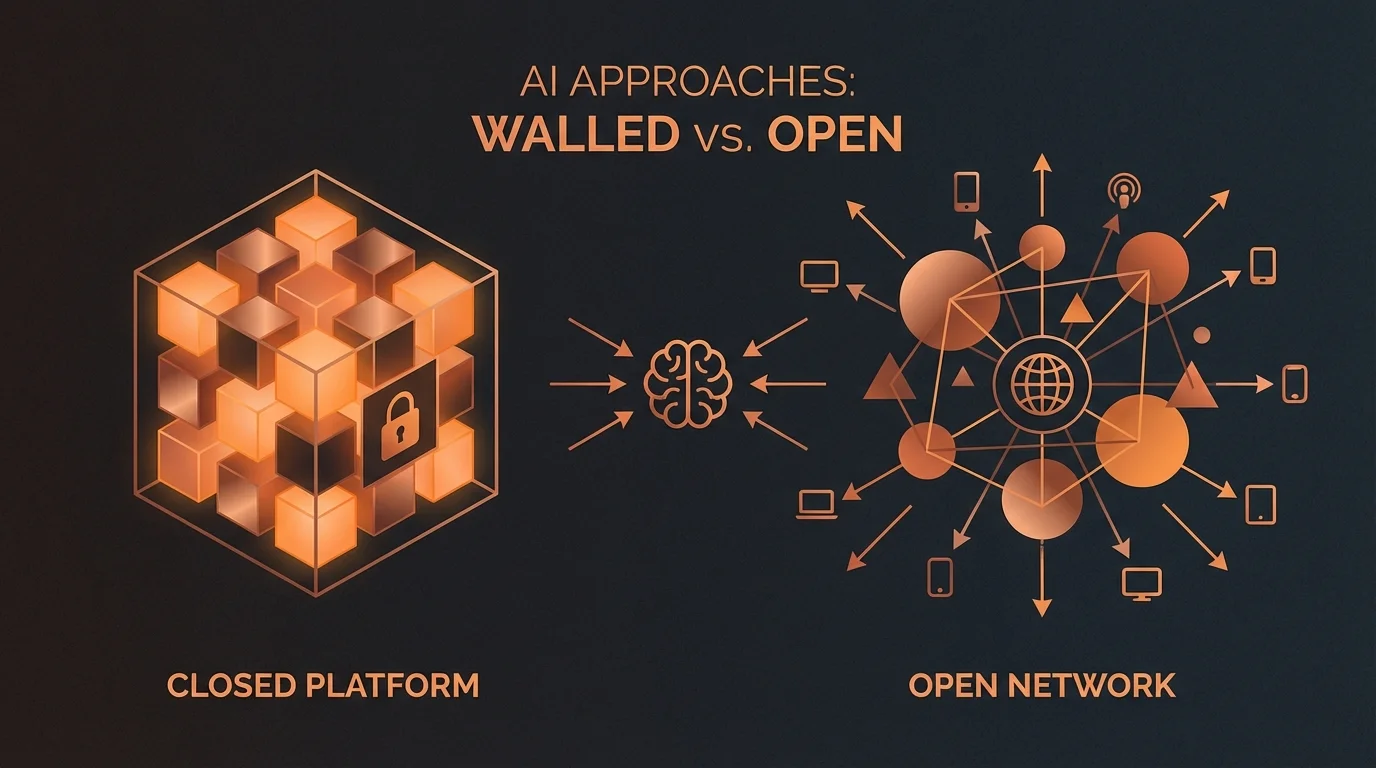
Agentforce vs. Cross-Platform AI Agents: Which Approach Fits Your Team?
Salesforce Agentforce is powerful inside Salesforce. But what happens when your operations span Jira, Zendesk, and a dozen other tools? A clear comparison of platform-native vs. cross-platform AI agent approaches.

The True Cost of Context Switching for Support Operations Teams
Support ops teams lose 30-40% of their day switching between Salesforce, Jira, and Zendesk. Here's the math on what that costs — and why browser tabs are the most expensive line item in your operations budget.

What Are SOP-Driven AI Agents? Definition, Benefits, and Use Cases
SOP-driven AI agents encode your team's standard operating procedures into intelligent automation that works from day one — no training data required. Here's how they work and why they're replacing traditional AI approaches.

The VP's Guide to AI in Operations
A practical framework for operations leaders evaluating AI agents — what actually works, what doesn't, and how to avoid the most expensive mistakes.

Why Forethought Needs 20K Tickets Before It Can Help You
Forethought's AI requires 20,000+ historical tickets to train effectively — a cold start problem that locks out most mid-market companies. Here's why SOP-driven AI works from day one without a single historical ticket.

Zendesk Automated Resolutions: What You Pay For
What a Zendesk automated resolution costs: $1.50 committed or $2.00 pay-as-you-go. See which tier counts toward your allowance and how to cap overage.

AI Agent Onboarding: Months vs One Day
Most enterprise AI platforms need months of training, thousands of tickets, and a dedicated engineering team before they deliver value. There's a better way — and it starts with your SOPs, not your historical data.

Multi-Agent AI Systems: Why One Agent Isn't Enough
Single AI agents hit a ceiling fast. Multi-agent systems — where specialized agents collaborate, hand off tasks, and escalate to humans — are how enterprises actually scale AI operations. Here's why the future belongs to orchestrated agent teams, not solo bots.

What Klarna Got Wrong: Removing Humans from AI Support
Klarna replaced 700 customer service agents with AI, projected $40M in savings — then reversed course when quality collapsed. Here's why the 'replace humans entirely' approach to AI support fails, and what the human-in-the-loop alternative looks like.

From Pilot to Production: Why 2026 Is the Year AI Agents Finally Go Live
Gartner predicts 40% of enterprise apps will embed AI agents by end of 2026. But only 8.6% of companies have agents in production today. Here's how to cross the chasm from pilot to production — and why most organizations are stuck.
Why Freight Claims Are Still Managed in Spreadsheets (And How to Fix It)
Despite billions in annual losses, most logistics teams still manage freight claims in spreadsheets. Here's why — and what AI-powered automation can do about it.
The Hidden Cost of Manual Claims Processing: A $4B Problem
US shipping damage losses hit $4 billion annually. But the real cost isn't the damage — it's the manual process that lets claims slip through the cracks.
![10-Step Freight Claims Automation Workflow [With Process Map]](/blog/automating-freight-claims.svg)
10-Step Freight Claims Automation Workflow [With Process Map]
The exact 10-step workflow logistics teams use to cut claims processing from 10 hours to 15 minutes. Includes process map, integration checklist, and rollout timeline.

How AI Agents Learn from Your SOPs and Your Team's Feedback — and Why It Matters
Most AI tools learn from static documents. CorePiper is driven by your SOPs and refined by real human feedback. Here's why this approach is the breakthrough enterprise operations has been waiting for.
FreightClaims.com vs AI Agents: Which Approach Wins?
Traditional claims platforms like FreightClaims.com digitize the workflow. AI agents automate it. Here's why the distinction matters for logistics teams.
How AI Agents Handle Carrier Portal Fragmentation
FedEx, UPS, LTL carriers — every carrier has a different claims portal. Here's how AI agents navigate the fragmentation that breaks traditional automation.

Knowledge Bases Are Not Enough: Why AI Needs Your SOPs and Real Feedback
Knowledge bases capture what your team knows. But the real magic is in your SOPs and the feedback loop. Here's why SOP-driven AI with human feedback is the missing piece in enterprise AI.
Claims Denial Rates Are Over 50%: Here's How AI Can Help
More than half of limited liability freight claims are denied. The main reasons — insufficient docs and missed deadlines — are exactly what AI agents solve.
7 Best Agentforce Alternatives for Enterprise Teams (2026)
Agentforce: 58% success rate, up to $550/user, Salesforce-only. The 7 best alternatives enterprise teams switch to in 2026 — with feature tables, real pricing, and a scoring checklist.

5 Zendesk AI Limitations That Hit Enterprise Teams First
The 5 Zendesk AI limitations enterprise teams hit first — per-resolution billing, Zendesk-only reach, and SOP blind spots. With side-by-side comparison and an evaluation checklist.

What Enterprise AI Support Actually Costs in 2026
Hidden costs behind AI support pricing: per-resolution fees, mandatory add-ons, and implementation overruns. Real total-cost breakdowns from 50+ enterprise deployments — with a TCO calculator template.